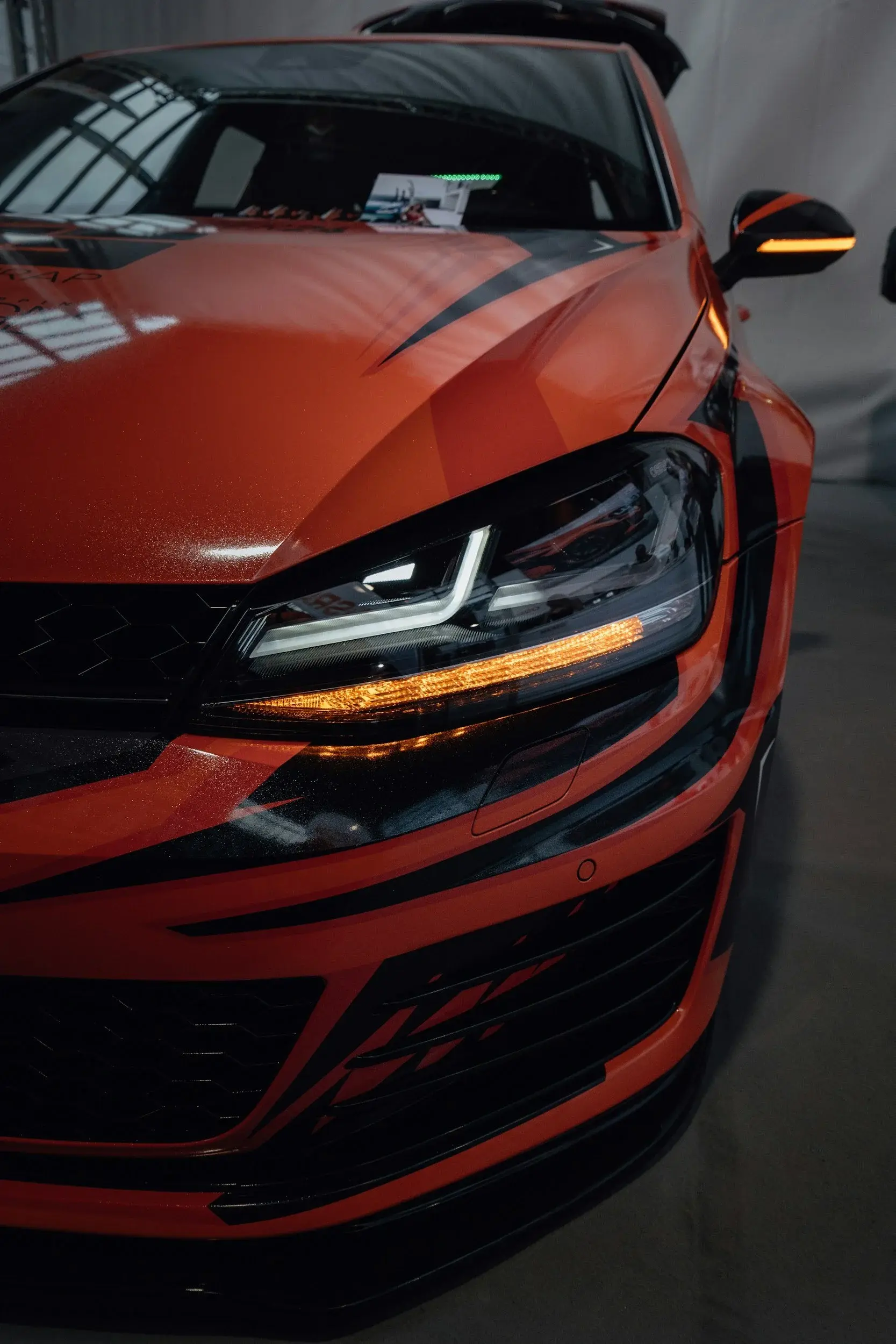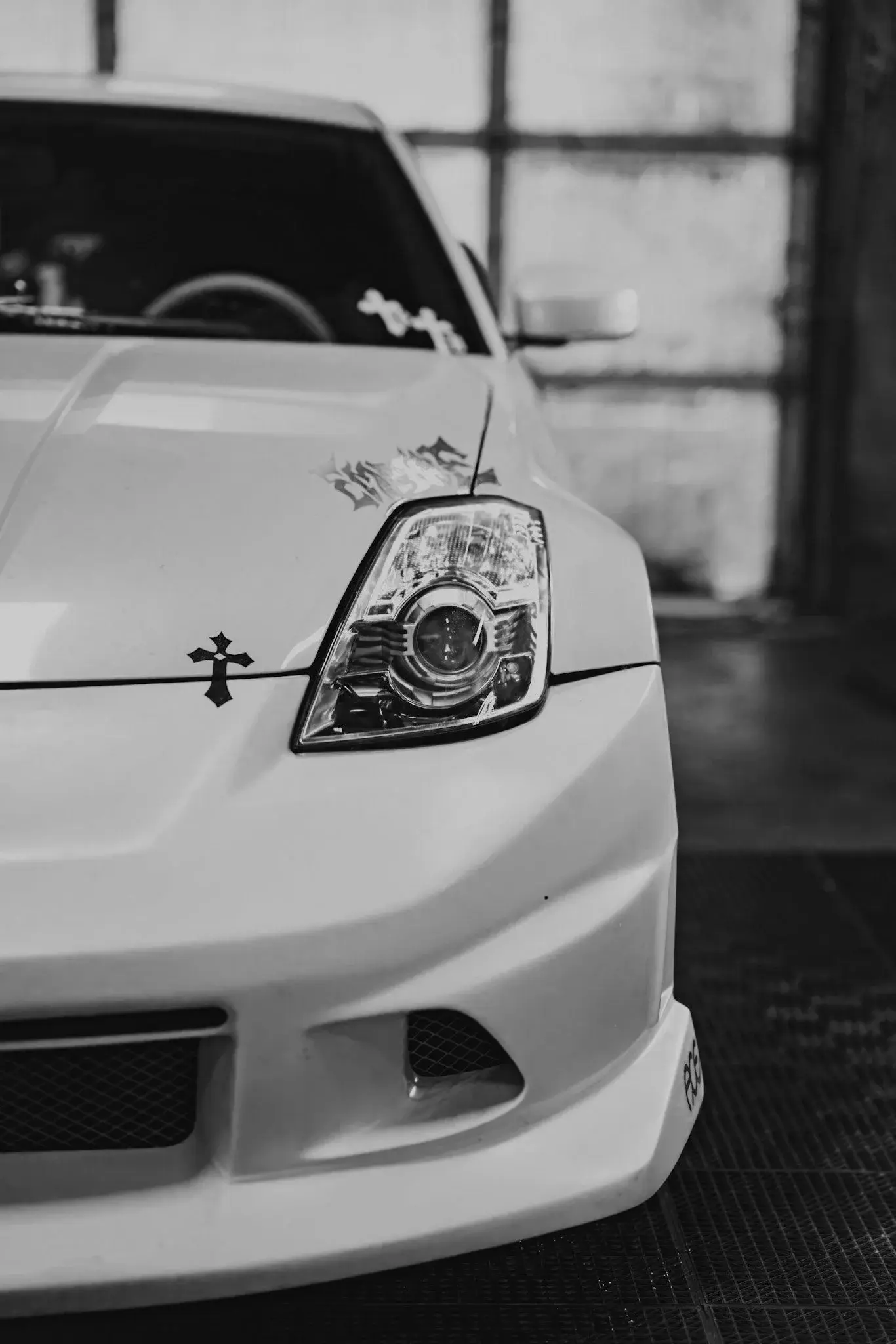
What does BC’s regulation require of a headlight?
White light, from lamps built to the federal standard, strong enough to reveal objects at set distances, behind a lens that nothing covers. The lamp rules in BC’s Motor Vehicle Act Regulations, Division 4, set out each part:
| Requirement | Section | Wording or figure |
|---|---|---|
| Colour | 4.05(1) | Headlamps “capable of displaying white light” |
| Mounting height | 4.05(2) | Between 56 cm and 1.37 m |
| Upper beam | 4.06(1)(a) | Reveals an object at 100 m, whatever the load |
| Lower beam | 4.06(1)(b) | Reveals an object at 30 m, without its bright core striking an oncoming driver’s eye |
| Standards | 4.02(2) and (3) | Lamps equivalent to the manufacturer’s originals, complying with federal and SAE standards |
| Lens condition | 4.04(2)(c) | Not “shielded, covered or obscured” by the vehicle, its load, “dirt or other material” |
| Intensity | Schedule, Table 1 | Minimum 10,000 candela on the upper beam and 7,000 on the lower |
Film isn’t named anywhere in Division 4, but s. 4.04(2)(c) reaches “other material”, and film is a material laid over the lens. The colour rule and the beam distances then describe what film changes: the shade of the light and how far it carries.
How does smoked film change what a headlight does?
It lowers the amount of light that gets through the lens, and light reaching the road is what BC’s headlight rules measure. The shop lists its STEK light smoke at 50% VLT and its dark smoke at 30% VLT. By that rating, the lighter film passes about half the visible light that hits it and the darker one about 30%.
The regulation states the job in metres: an object revealed at 30 m on low beam and 100 m on high. Section 4.01 says when lamps must be on: from half an hour after sunset to half an hour before sunrise, and whenever “insufficient light or unfavourable atmospheric conditions” hide objects at 150 m. Rain is part of that picture in the Fraser Valley: federal climate normals for Abbotsford count 179.5 wet days in an average year, and November alone averages 241 mm of rain.
BC’s 2025 Vehicle Inspection Manual turns that into a pass-or-fail check: Section 6, item 1.0(a), fails any lamp where the lens “reduces transmission of light”. Smoke film is sold for exactly that effect, and the shop’s own service page warns that it reduces output on forward-facing lights.
Is yellow headlight film legal in BC?
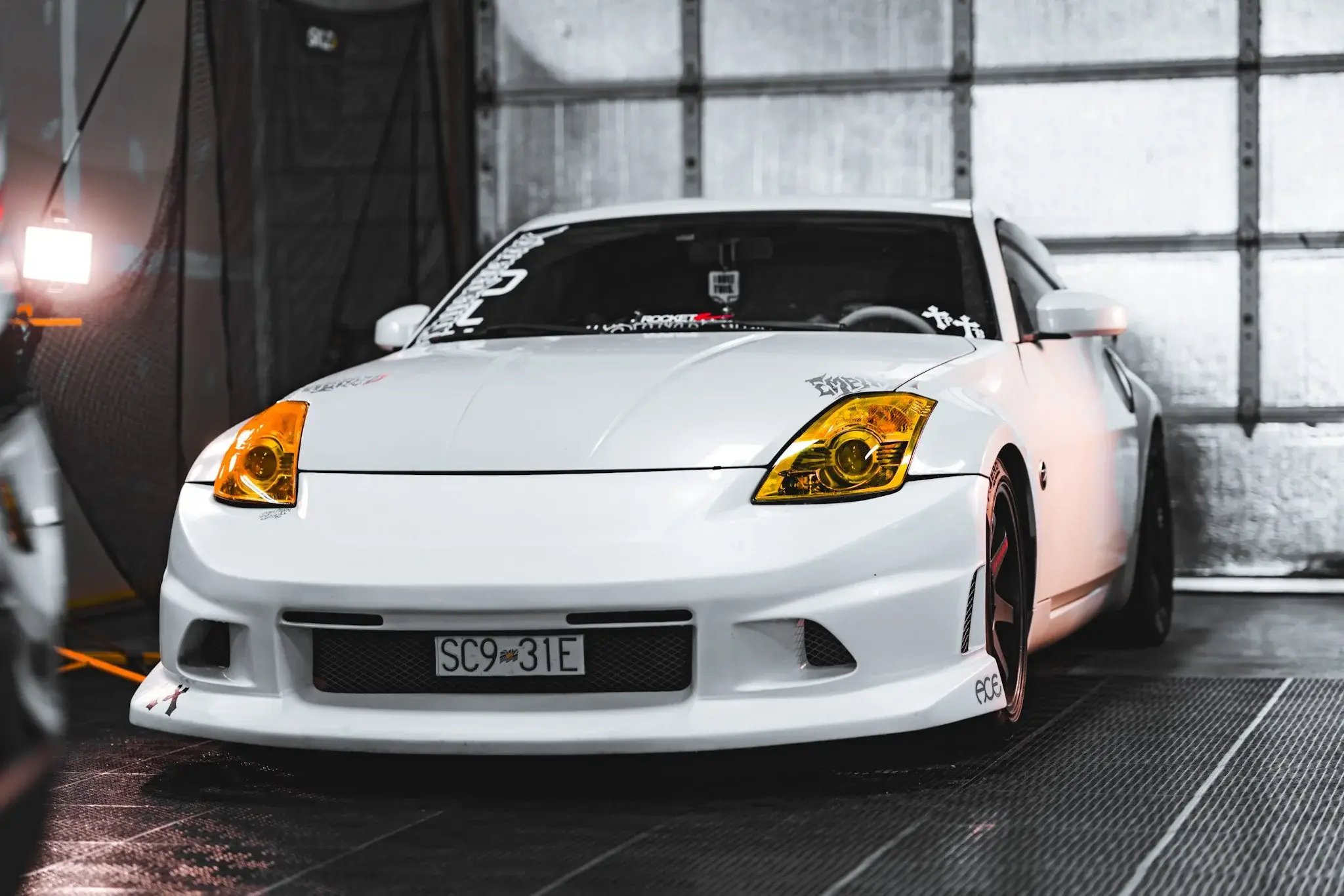
No. Yellow film covers the lens like any other film and also changes the colour of the beam, while s. 4.05(1) requires a headlamp capable of white light. Item 1.1(a) of the 2025 manual repeats it as a reject: a headlamp “not capable of displaying white light”.
Other front lamps do have some colour room, which is where the confusion starts:
- Front fog lamps may show white or amber light (s. 4.11(1)).
- Daytime running lamps fail the manual’s item 1.1(l) only if they are “not white or yellow in colour”.
- Front turn signals flash white or amber (s. 4.13(2)(a)).
None of those allowances extends to the headlamp beam, and item 1.0(a) still applies to every lens whatever its colour. Where the running light and the amber signal share one housing and one lens with the headlamp, a single piece of film covers all three.
Does clear headlight film pass a BC inspection?
Don’t count on it. Section 6 of the manual fails a lens “covered in any manner” and carves out nothing for clear material. The regulation’s s. 4.04(2)(c) uses the word “covered” too.
Clear film exists for protection, not looks: it takes stone chips and UV that would otherwise pit and yellow a polycarbonate lens. The same question hangs over clear paint protection film on headlights, which is part of every one of the shop’s PPF packages. If a car is booked for a designated-facility inspection, ask that facility how it treats clear lens film, or plan to have the film removed beforehand. The main lamp items the facility checks are quoted in the guide to out-of-province inspections for tint and lights.
What can filmed headlights cost at the roadside?
A ticket of $81 or $109, depending on the section an officer uses, and possibly an order to repair and inspect. BC’s fines schedule names three lamp offences in Division 4; any other offence under the regulations falls to its catch-all row.
| Section | Offence | Ticket | Paid within 30 days |
|---|---|---|---|
| 4.01 | Drive without lighted lamp | $81 | $56 |
| 4.02(1) | Unauthorized lamp | $81 | $56 |
| 4.06(5) | Fail to dim headlamps | $81 | $56 |
| Any other offence under the MVA regulations | Catch-all row | $109 | $84 |
An officer can also issue a Notice & Order. Under a Box 2 order, CVSE says the vehicle goes promptly to a designated inspection facility for repairs and has 30 days to pass, or the driver faces a $598 fine. How that process runs is covered on clearing a Notice & Order.
What are the legal ways to fix or restyle headlights?
Restore a tired lens instead of covering it, and get a darker front end from trim rather than lamps.
Restore the lens
A “clouded” lens fails item 1.0(a) on its own, film or no film. Headlight restoration removes the failed hard coat and oxidation: a polish-and-seal job is about an hour, full restoration with progressive wet sanding runs two to three hours, and nothing is left covering the lens. Lenses that have already gone yellow are dealt with on yellow headlight restoration.
Black out the trim, not the lamps
A chrome delete wraps grille bars, badges and window surrounds in black vinyl, so the car looks darker while the lamps stay as the manufacturer built them.
Know when it’s a replacement
Moisture inside the lamp assembly is its own reject under item 1.0(a), and internal fogging or a cracked housing can’t be polished out. That calls for a new assembly, not film or restoration; the trade-offs are weighed in headlight restoration vs replacement.
Booking headlight film at Brookswood Tint
The shop installs STEK light film on request in 30% and 50% smoke, yellow and clear, heat-formed to each housing in two to three hours a pair, with the shop’s published seven-year warranty covering yellowing, cracking and peeling. Before anything goes on, you’ll hear the inspection and ticket risk in plain terms, and the film can be taken off with heat if the car later has to pass.
Taillights follow different rules, built around red light and the driver behind you; they’re covered in whether smoked taillights are legal in BC. Shades and fit are on headlight and taillight tint. Prices are set per vehicle; ask through the headlight film request or phone 604 534 6433.