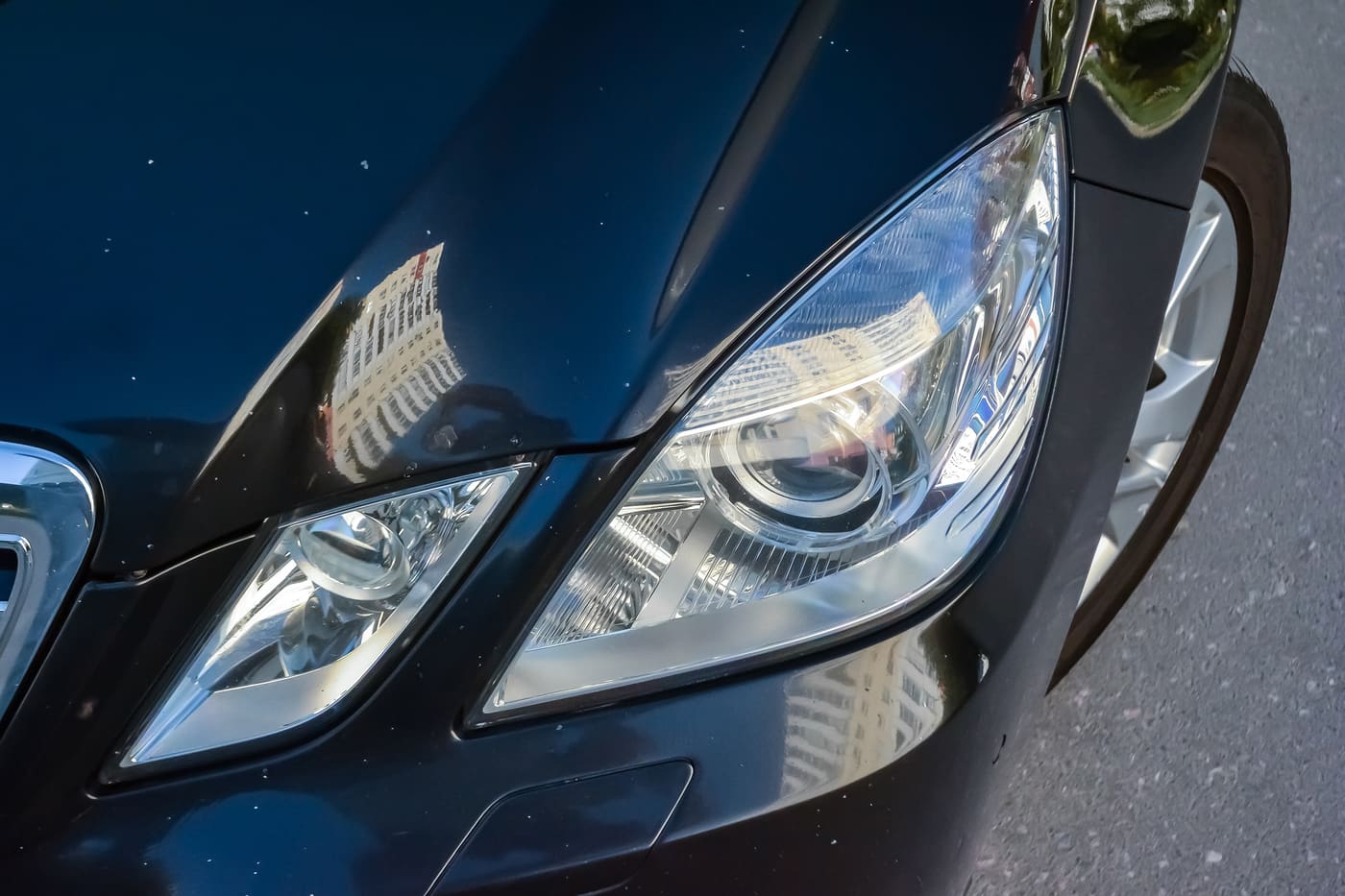
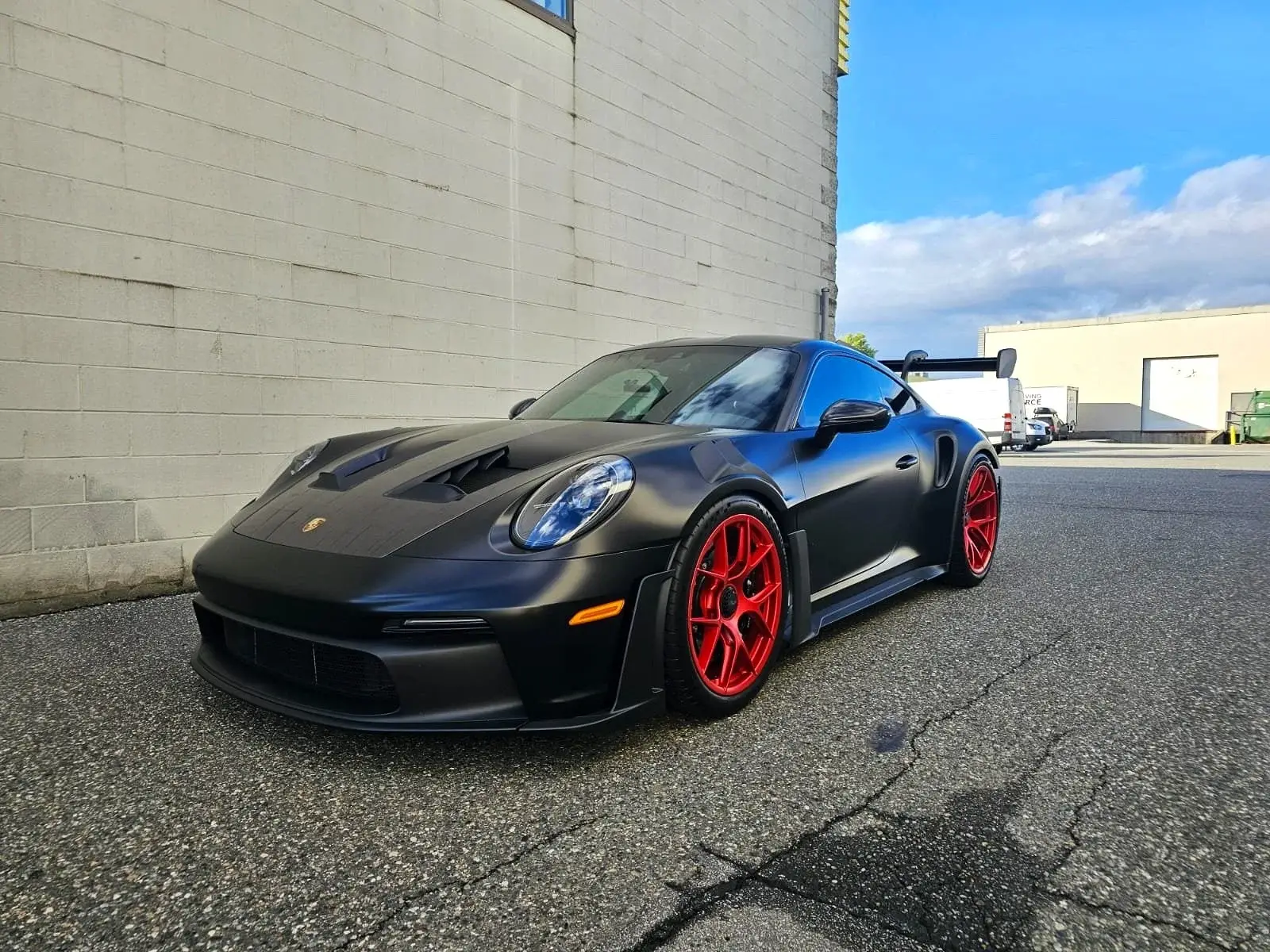
How far back do you need to be to avoid chips on Highway 1?
Farther than most traffic sits. Mazda’s owner’s manual says the paint chipping zone varies with the speed you’re driving, and gives one figure: at 90 km/h, gravel thrown by the tires ahead can reach paint up to 50 m back.
ICBC’s high-risk driving advice asks for at least two seconds of following distance in good conditions, and at least three on the highway or behind a large vehicle that blocks your view. Converted to metres, the two line up neatly:
| Speed | 2 seconds back | 3 seconds back |
|---|---|---|
| 90 km/h | 50 m | 75 m |
| 100 km/h | 56 m | 83 m |
| 110 km/h | 61 m | 92 m |
At 90 km/h, a two-second gap parks you right on the edge of Mazda’s chipping zone. Three seconds puts you 25 m clear of it. Mazda publishes only the 90 km/h figure, so at higher speeds assume the zone reaches further back and treat three seconds as the minimum rather than a comfortable margin.
Where do the stones on Highway 1 come from?
Mostly from other vehicles and the road edges. Mazda describes chipping as gravel thrown into the air by the tires of another vehicle, and TranBC lists other sources a commuter meets: rocks washed onto the highway, rocks that fall from trucks, and rocks kicked up when wheels drift onto unpaved shoulders.
Three habits follow from that:
- Stay back from loaded trucks and anything carrying gravel, soil or debris. If a load sheds, distance is the only thing between it and your bumper.
- Don’t pass a sander. TranBC’s advice in winter is to stay back from trucks spreading abrasive rather than overtaking them through the spray.
- Hold the gap through work zones. The province’s Fraser Valley Highway 1 program has two widening phases under construction, together 23 km of highway between 216th Street and Mt. Lehman Road (10 km up to 264th Street, then 13 km beyond it). Work zones are where gaps tend to close up: in a 2025 ICBC survey, 73% of BC drivers said they get tailgated in construction zones.
Why are winter commutes harder on the paint?
Because hard paint meets more grit at highway speed. Mazda’s manual notes that a vehicle’s finish hardens in low temperatures, which raises the chance of chipping. Winter is also when crews spread abrasive on the highway, which TranBC caps at 9.5 mm a piece on main routes. TranBC’s other figure is about speed: a stone hitting at 110 km/h lands with nearly double the energy of one at 80 km/h. That arithmetic, set out speed by speed, is on whether PPF stops rock chips.
So the same commute does more damage between November and March. Extra following distance on cold, treated roads costs a few seconds per trip; the winter rock chip guide covers the season in more depth.
What does paint protection film add for a Highway 1 driver?
It takes the hits that distance can’t prevent, on the panels it covers. Film is a clear urethane layer over the clear coat; a small stone marks the film instead of the paint.
How much of the car to cover depends on your kilometres. The starting point, Partial Front, protects the leading edges; the next step, Full Front, films the whole hood and both fenders. Choosing between them for a commute is its own question, answered on what PPF coverage Highway 1 commuters need, and the package built around it is PPF for Highway 1 commuters.
Film doesn’t cover the windshield here. Brookswood Tint has no exterior film option for windshields, so the windshield’s defence is distance and prompt chip repair. The headlights do get clear film in every package, with one caveat for cars headed to a provincial inspection: the 2025 manual inspectors work from fails a lamp lens “covered in any manner”, so even clear headlight film may be questioned.
What should you do after a chip lands?
Deal with it while it’s small. What that means depends on where it landed:
| Where | What to do | Why |
|---|---|---|
| Bare paint | Touch it up before the wet season | Mazda says chipped paint can rust, and an unrepaired chip risks “serious rusting and expensive repairs” |
| Paint under film | Usually nothing; the film took it | If a large stone cut through the film, that panel is re-filmed (quoted per vehicle) |
| Windshield | Book a repair quickly | ICBC repairs qualifying chips under Comprehensive with no deductible |
ICBC’s glass claims page sets the conditions: a chip has to be smaller than a loonie, and the repair has to happen at an ICBC-approved facility. Replacement carries your deductible, which is a good reason not to let a chip spread.
How do you put a rock chip plan together?
Combine the habits with the right coverage, then book the film before the cold months:
- Keep at least three seconds behind traffic on Highway 1, more behind trucks.
- Stay back from sanders and loaded trucks rather than passing through their spray.
- Film the front end: Full Front PPF starts at $1,550, usually a one- or two-day job.
- Touch up any paint chip outside the film before it can rust.
- Repair windshield chips while they’re still smaller than a loonie.
Brookswood Tint installs LLumar Platinum, which carries a 10-year manufacturer’s limited warranty, starting at $850 for Partial Front. Paint is decontaminated and, if needed, corrected before film goes on, and the final price depends on the car’s size, panels and paint. Compare packages on paint protection film, or send the car’s details through the PPF quote form.