Which PPF package fits a Highway 1 commute?
Match the package to how often you’re on the highway. Daily commuters get the most from Full Front; occasional highway drivers can start with Partial Front; and anyone who also drives gravel or wants the lower sides covered should look at the Track Package.
| How you use Highway 1 | Package | Panels under film |
|---|---|---|
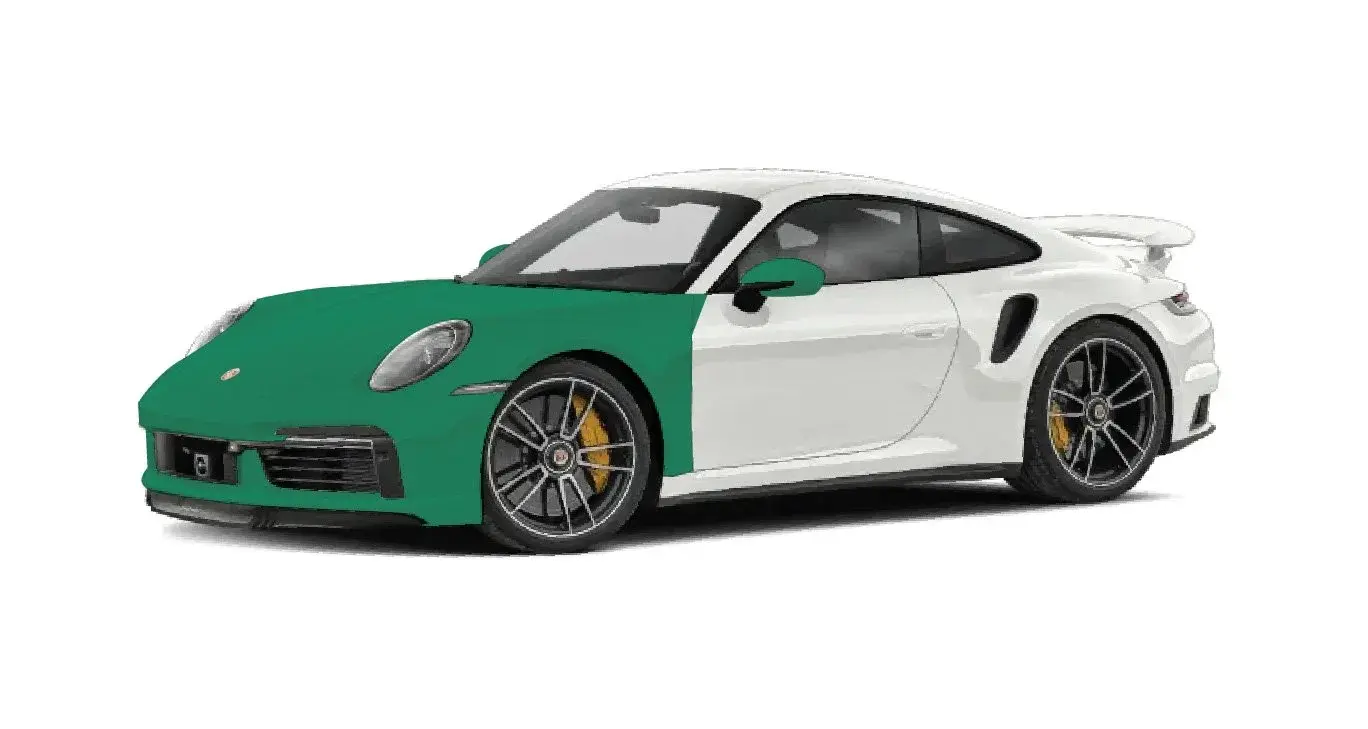
| A few highway trips a month, mostly town driving | Partial Front, from $850 | Full bumper, headlights, mirrors, hood and fenders partway back |
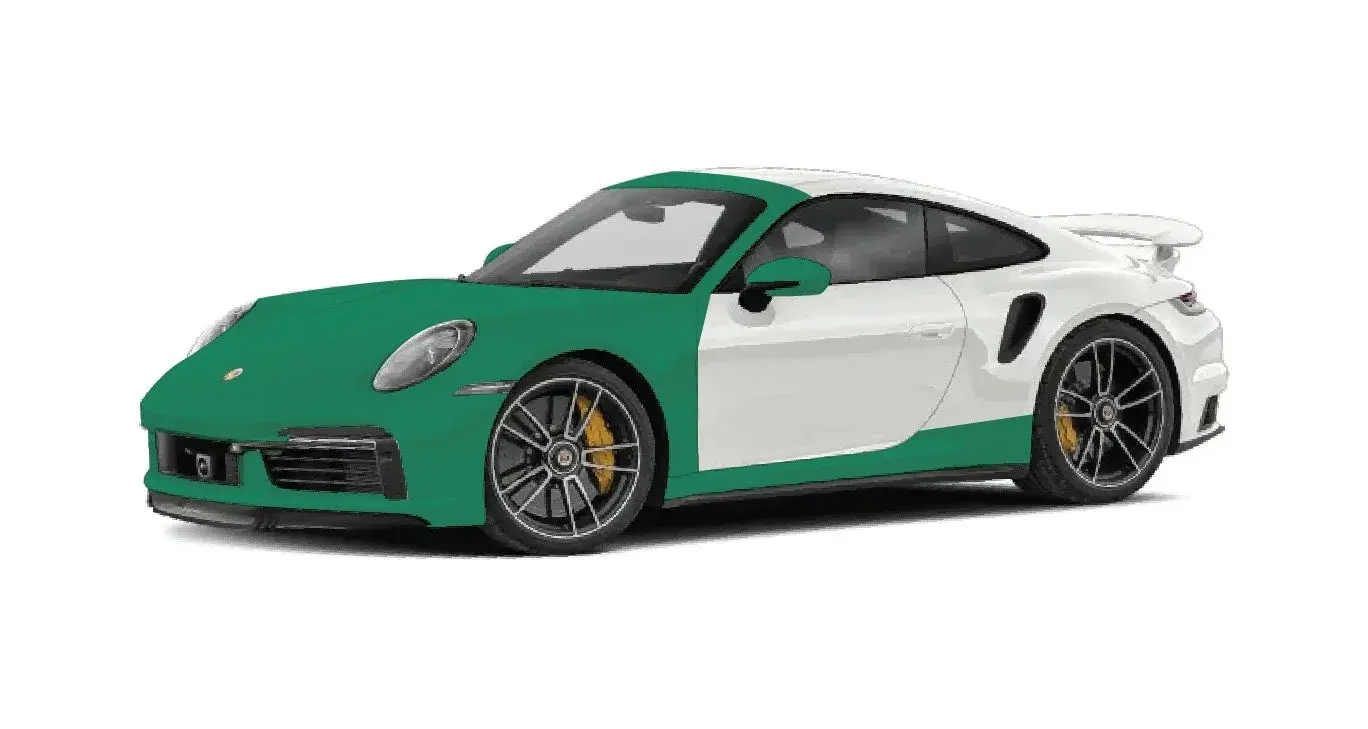
| Every weekday, toward Surrey and Vancouver or out to Abbotsford | Full Front, from $1,550 | Whole hood, whole fenders, full bumper, headlights, mirrors |
| Daily commute plus gravel roads or track days | Track Package, from $1,900 | Everything in Full Front, with rockers, A-pillars and a partial roof |
| Every painted panel, whatever the route | Full Vehicle, from $4,000 | All painted surfaces and the headlights |
All four are LLumar Platinum, backed by a 10-year limited warranty from LLumar. They are starting prices; size, panel shape and paint condition set the final figure.
Why is Highway 1 hard on a car’s front end?
Because it carries freight and commuters at highway speed, and parts of it are being rebuilt around you. Speed is what hurts: writing about windshields, TranBC notes that a stone’s damage has more to do with its impact velocity than its size.
The province describes the Fraser Valley Highway 1 program as improving capacity from 216th Street in Langley toward Chilliwack and helping goods movement. Two Langley-area phases are under construction now:
| Section | Length | Work listed by the province |
|---|---|---|
| 216th Street to 264th Street | 10 km | HOV and EV lanes in the median, a reconfigured 232nd Street interchange |
| 264th Street to Mt. Lehman Road | 13 km | HOV/EV and bus-on-shoulder lanes, truck climbing lanes, a new 264th Street interchange |
The province’s traffic notices warn of construction speed zones, lane shifts and overnight closures, including traffic pattern changes between Glover Road and 248th Street in October 2026.
Winter adds its own material. On main provincial highways, TranBC caps winter abrasive at 9.5 mm, and notes that crews can pause spreading on flat, straight sections but must keep treating hills and corners. The uphill grade east of the Bradner Rest Area, where the province is adding an eastbound truck climbing lane, is that kind of stretch. TranBC adds that rocks also fall from trucks and wash in from the roadside. How film handles all of this is explained in whether PPF stops rock chips.
Is Partial Front enough for daily highway driving?
For occasional highway use, yes; for a daily commute, usually not. Partial Front stops partway up the hood and fenders, and on a car that spends every weekday behind traffic, stones keep landing beyond that line.
The film edge is the other consideration. On a partial hood the film ends in a line across the panel, while Full Front covers the hood and fenders edge to edge. The trade-off panel by panel, including how visible that line is, is set out in partial vs full front PPF. If you start with Partial Front and your driving changes, ask about extending it before the uncovered paint collects chips.
Do Highway 1 commuters need the rocker panels covered?
For many drivers, yes. The rockers sit low behind the front tires, and they appear in LLumar’s PPF FAQ list of areas that “receive the most punishment”, next to the front bumper and hood.
None of the front packages include them. The Track Package adds them, plus the A-pillars and a partial roof, for a starting price $350 above Full Front. It suits any commuter who also drives gravel roads during the week.
For the hardest use there is a heavier film. LLumar calls Platinum Extra its thickest PPF, “thicker than traditional PPF”, and suggests it for targeted coverage on areas like rocker panels, fenders, hoods and bumpers. It’s not one of the shop’s listed packages, so name it when you book.
What does a commuter’s PPF leave uncovered?
The windshield, any paint outside the package, and chips that were there before the film. Knowing the gaps keeps expectations honest.
- Windshield. The shop doesn’t put protection film on the outside of windshields. Under ICBC’s glass claims rules, Comprehensive coverage may repair a chipped windshield at a Glass Repair Program facility without a deductible.
- Panels outside your package. Doors, rear quarters and the bumper at the back stay bare unless you choose Full Vehicle.
- Existing chips. Clear film keeps them visible underneath, so repair them first if they bother you.
How do you fit a PPF install around a weekday commute?
Plan on one to two working days without the car if you choose Full Front or the Track Package, and about a day for Partial Front. Drop-off is Monday to Saturday between 9:00 and 17:00 at Unit 312, 20560 Langley Bypass.
The paint gets decontaminated first, and corrected if needed, so a car that has already done a few winters may need extra time; the Full Front page walks through the process. The first wash waits a week; after that, hand washing or touchless bays only. To get a price, put your year, make, model and usual route into the PPF quote form.