
What do you pay for when a leased car goes back in BC?
Whatever your lease says counts as unreasonable wear, plus any extra kilometres. BC law makes the lessor put those terms in writing before you sign: section 101 of the Business Practices and Consumer Protection Act requires the disclosure statement to spell out any situation that triggers an extra charge, with the amount or the way it’s calculated, and “unreasonable wear or excess use” is named as one.
The Vehicle Sales Authority of BC suggests asking, before you sign, “What is excessive wear and tear that will make you liable for expenses at the end of the lease?” It also notes that under some lease agreements the car simply goes back at the end with no further obligations “except for extra mileage or damage.” So the question for a coating isn’t whether it adds value to a car you won’t own. It’s whether it helps the paint pass the standard written into your agreement.
What can a ceramic coating keep off a leased car’s paint?
The slow, cumulative marks that come from washing and weather: fine swirls, stains, mineral spots and etching from droppings and bugs. Those are the things that make a three-year-old car look tired at an inspection.
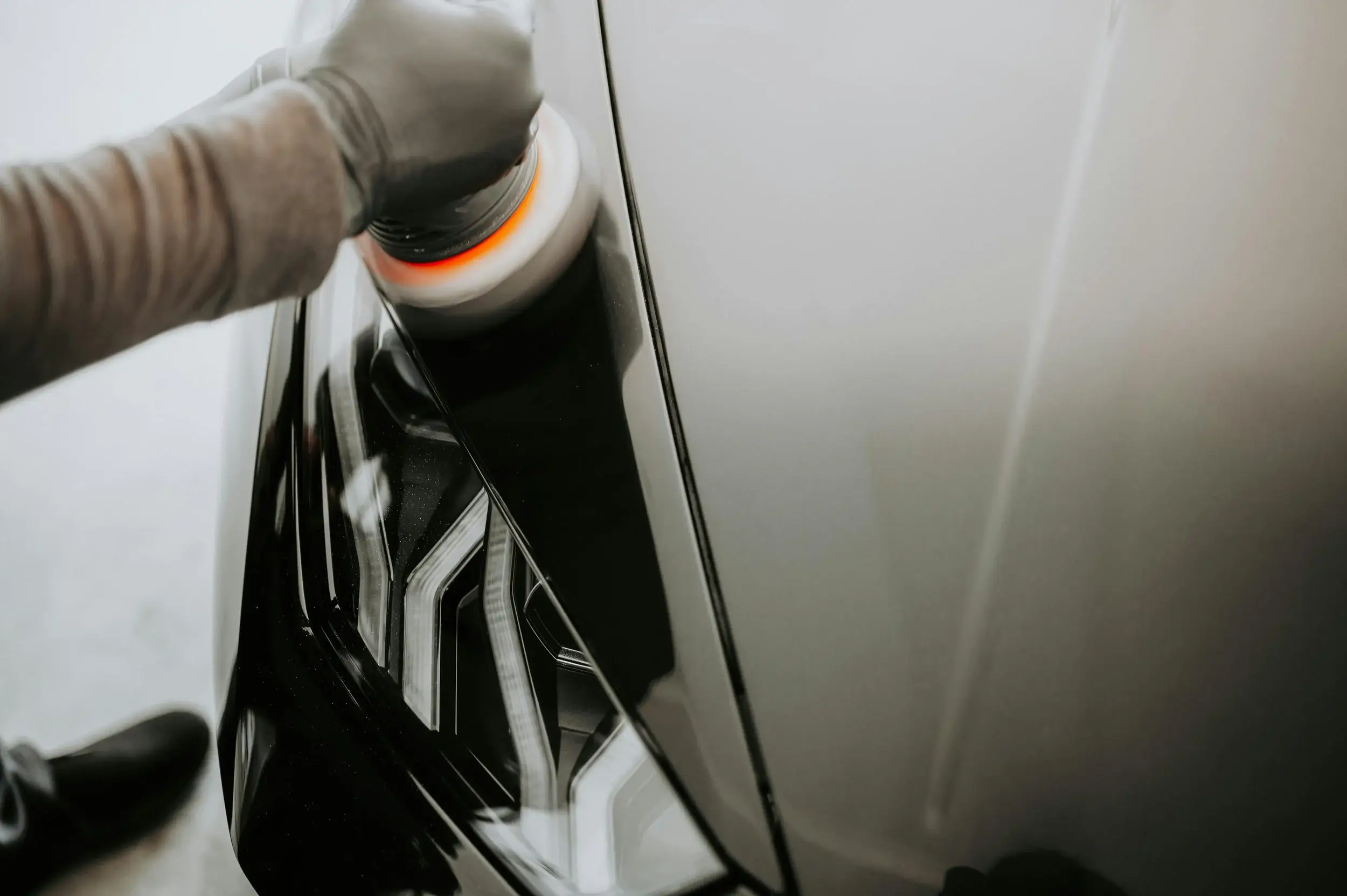
- Wash swirls. The shop says swirl marks come almost always from washing, with dirty mitts, brush washes and gritty towels. Coated paint releases dirt more readily, so it needs less rubbing at every wash.
- Etching and stains. The shop’s coating page says its graphene-ceramic keeps contaminants such as bird droppings, bug residue and road salt from etching into the clear coat.
- Water spots. Water beads and runs off coated paint instead of drying in place, which means fewer mineral marks after rain.
There’s a practical advantage over film and vinyl too. A coating is clear and doesn’t change how the car looks, so there’s nothing to peel off or put back before the car goes back.
What won’t a coating fix before a lease return?
Impact damage and anything already on the paint. A coating is microns thick, so stone chips, door dings, curb rash on the wheels and deep scratches pass straight through it.
If chips on the hood and bumper are what you’re worried about being charged for, film is the tool; whether to put PPF on a leased car weighs that up, and PPF vs ceramic coating compares the two directly. A coating also can’t hide defects that are there when it goes on. It seals the paint as it finds it, which is why every package starts with a decontamination wash, clay and at least one polishing stage.
Which coating package makes sense on a lease?
Usually the smallest one. The shop builds Essential, one layer of graphene-ceramic on the paint, for daily drivers and lease returns, and it suits a car you’ll hand back on a fixed date.
| Your lease | Package to look at | Why |
|---|---|---|
| You’ll hand the car back at the end | Essential, 1 layer | Covers the paint, where wash marks and stains show |
| You might buy it out at the end | Performance, 2 layers | Two-stage correction and coated glass and wheel faces, for a car you may keep |
| Leased exotic with PPF on the front | Signature, 4 layers | Coats paint, film, wheels, glass and trim alike |
The buy-out question matters more than it seems. The VSA advises discussing lease-end buy-out options before signing, and if there’s a real chance you’ll keep the car, it’s no longer a pure lease decision. How the three layer counts differ is explained in how many layers of ceramic coating you need.
When in a lease should you get the car coated?
As close to delivery as you can. New paint usually needs the least preparation, so the work is quicker, and the coating is protecting the car for the whole term instead of the last stretch of it.
Coating later still works, it just costs more prep. A year of washing tends to leave marring that has to be polished out first, and the shop finds that dealer prep and transport can leave even a brand-new car with more swirls than owners expect. Near the end of a lease, if the paint is swirled and the return date is close, a correction on its own may do more for the inspection than a fresh coating. The new-car route is laid out on ceramic coating for a new car, and protecting a lease as a whole, film and tint included, on lease car protection.
How do you book a coating for a leased car?
Let the shop know the car is leased, its return date and whether a buy-out is likely, since those three answers pick the package. Pricing is per vehicle, and the coating quote form needs the year, make and model.
The car stays with the shop for one to three days and should be kept dry for a day after pickup. Drop-off is at the Langley Bypass shop, Unit 312, any day except Sunday between 9:00 and 17:00. The three packages are described on ceramic coating.