What protection makes sense on a leased car, and what does it cost?
Film on the front paint and tint on the glass behind the driver. The first keeps chips off the road-facing panels; the second makes every month of the lease more comfortable and peels off if the lessor wants the glass back as delivered.
| Protection | What it does for a lease | From | Time at the shop |
|---|---|---|---|
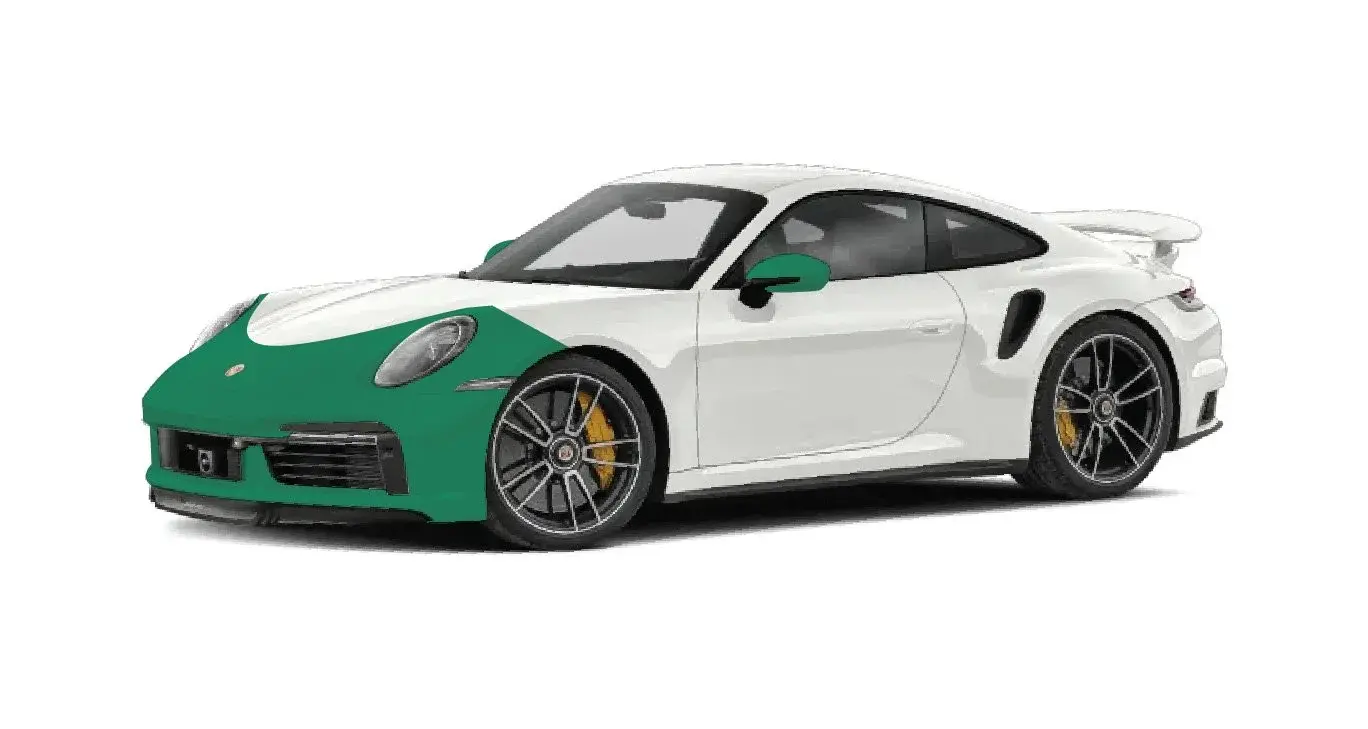
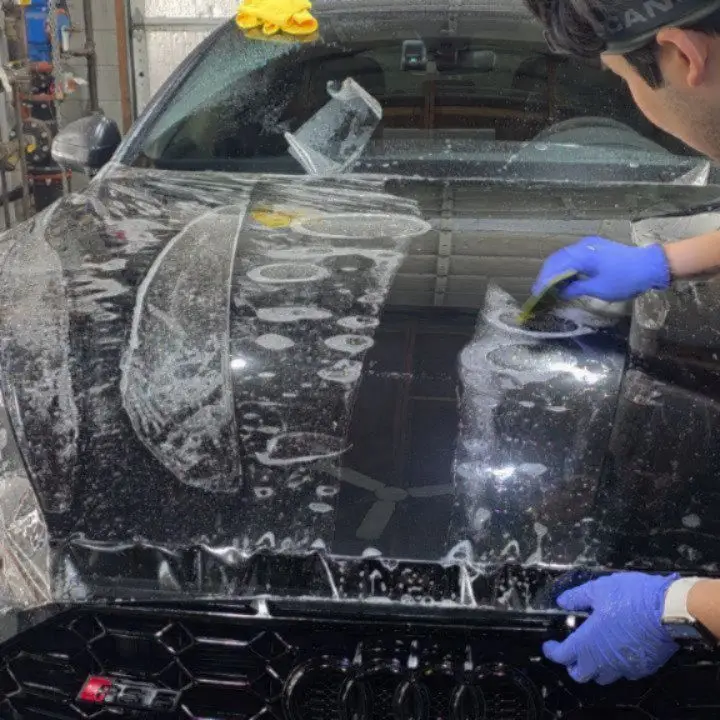
| LLumar Platinum PPF, Partial Front | Film across the full bumper, both headlights and the mirrors, with the front portion of the hood and fenders | $850 | Usually one day |
| LLumar Platinum PPF, Full Front | Takes the hood and both fenders edge to edge | $1,550 | One to two days |
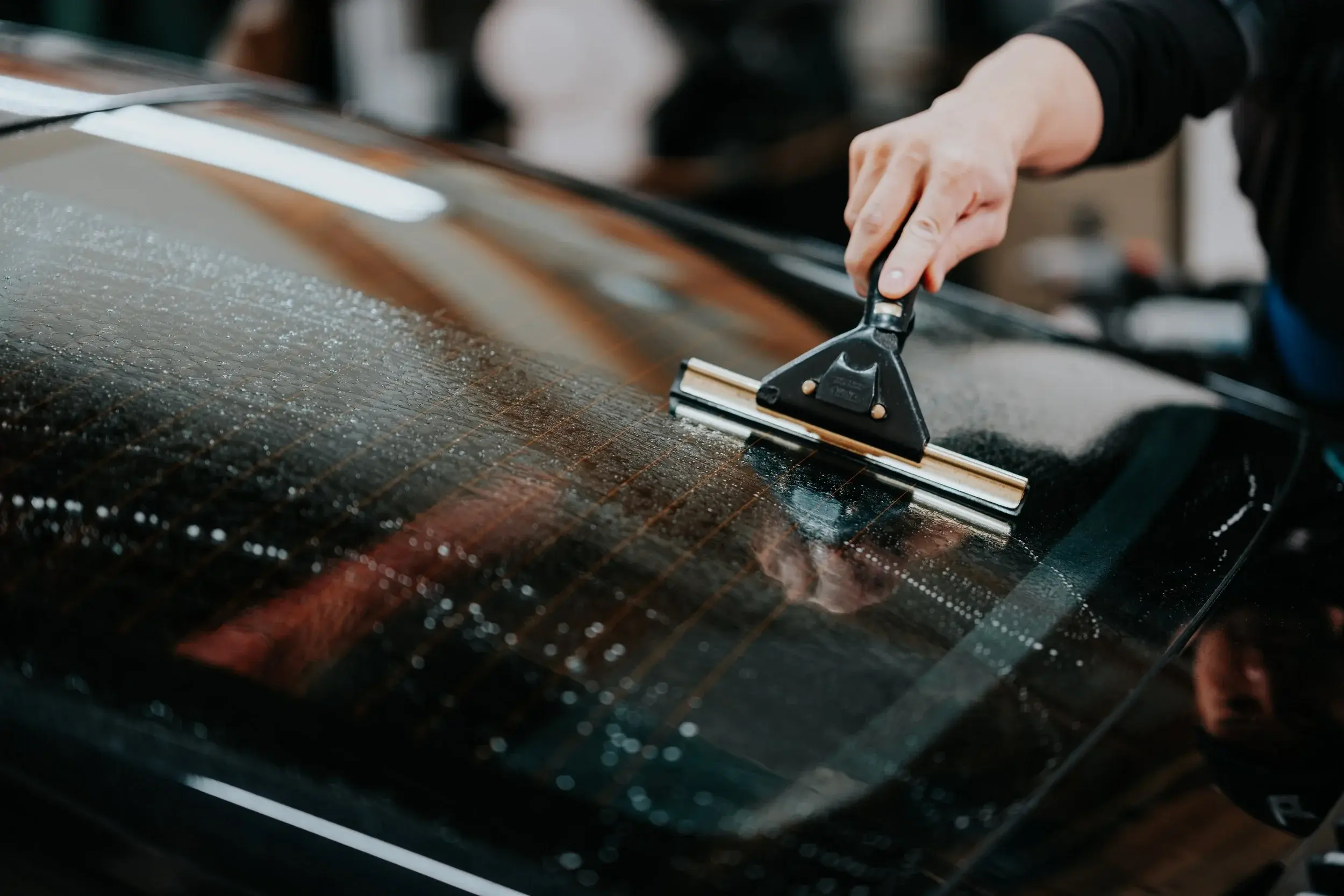
| LLumar ATC tint, rear glass | UV, heat and glare control on the glass behind the driver | $220 coupe, $240 sedan or pickup, $260 full-size SUV or wagon | Most cars same day |
| Film on the front door glass | Not legal on BC roads, whatever the shade | Fitted only on request, after the risks are explained |
Platinum heals light surface marks with heat and carries a 10-year limited warranty from LLumar, and the shop’s own published terms list four covered defects: yellowing, cracking, bubbling and peeling. Tint in ATC, or in the IRX and AIR ceramic upgrades quoted per package, is backed for life, film and labour both. A graphene-ceramic coating, quoted per vehicle, is weighed separately in ceramic coating on a lease.
How does a lease-end inspection judge chips, glass and lights?
By the size of each mark, how many there are and where they sit, against a guide your lessor writes. Nissan Canada Finance’s end-of-lease guide is a useful example, because it names glass, lamps and window tint directly.
| What’s inspected | Normal wear in Nissan’s guide | Excessive wear in Nissan’s guide |
|---|---|---|
| Paint | Surface scratches that polish out in normal reconditioning; bumper scratches that don’t break the paint | Scratches deep enough to catch a fingernail; scratches covered with touch-up paint; an excessive number of chips |
| Windshield | Minor chips outside the driver’s line of sight, defined as the area the wipers sweep | Chips or scratches inside that area; any windshield repaired inside it |
| Lights | Any crack in a headlight or taillight lens; any inoperable or non-Nissan lamp | |
| Window film | Poorly applied or peeling window tinting |
Two lines that change the plan
Touch-up paint is listed against you in its own right, so dabbing at marks before turn-in can backfire; film from day one avoids the need.
The glass rule is stricter than most drivers expect. ICBC charges no deductible for a windshield repair under Comprehensive, but Nissan’s guide says excess glass damage needs replacement and lists a windshield repaired in the wiper area as excessive. There’s no exterior windshield film on the shop’s menu, so the windshield is the one surface film can’t help with on a lease. Other lessors set different limits; Honda Canada’s chip allowance is compared on PPF on a leased car. Ask for your own lessor’s current guide when you take delivery, not when the return letter arrives.
Which package fits the way you’ll drive the lease?
Size it to your kilometres and to the chance you’ll keep the car. Highway speed puts more energy into every stone, so a highway lease earns more film than a town one.
| Your lease | Start with | From |
|---|---|---|
| Short term, low kilometres, mostly town | Rear-glass tint; front film optional | $220 to $260 |
| Daily highway commuting | Partial Front PPF plus rear-glass tint | $850, plus tint |
| High kilometres, or a likely buyout | Full Front PPF; ask about IRX or AIR on the glass | $1,550, plus tint |
| Leased SUV that carries children | The seven-window rear package for the back rows | $260 |
A Partial Front ends partway up the hood; a Full Front covers the hood and fenders completely, which suits years of highway use. Daily Highway 1 drivers will find the commuting case on PPF for Highway 1 commuters, and parents leasing an SUV can read UV window film for family cars.
What happens to the film when the lease ends?
Intact film can usually go back on the car; failing film and anything on the front doors should come off before the inspection. Your agreement has the final word, so check its clause on alterations before you book either job.
- PPF that’s still clear and tight: leaving it on means the inspector sees the paint as it was protected. If the lessor wants it off, have it removed by a professional indoors, which is what LLumar recommends.
- Rear tint in good shape: it’s on glass BC allows, so there’s no legal reason to strip it. Peeling or bubbled film is a different story, because Nissan’s guide lists it as excessive.
- Removal, if it’s needed: rear glass is stripped with steam, not blades, which keeps the defroster lines intact; the adhesive is dissolved completely, the work is priced per window, and a typical job runs one to three hours. Details are on tint removal.
- A buyout: nothing needs to come off, and the film carries on protecting the car you now own.
Book any removal well before the inspection date.
What does BC law allow on a leased car’s windows?
Exactly what it allows on a car you own: any shade on the side glass behind the driver, any shade on the back window if the car has mirrors on its left and right, and a strip along the windshield’s top edge that reaches down no more than 75 mm. The front door glass gets nothing, clear film included.
That rule comes from MVAR s. 7.05(8). Breaking it on a leased car can cost you a $109 ticket, and police can add a Notice & Order that means stripping the film and taking the car to an inspection facility. CVSE says those orders are recorded against the vehicle in ICBC’s database, and an unresolved order stops the car being licensed and insured when it changes hands, a problem for the finance company as well as you. The shop will put film on front glass if a customer insists, but only after explaining that it isn’t road-legal here and what that risks. The finer points are covered in the rules for front side windows in BC.
Booking protection for a leased car in Langley
Bring the car in close to delivery, before the first highway weeks add chips. A Partial Front normally takes a single day and rear tint is finished the same day on most cars, so both fit into one visit.
After pickup, keep the back windows up for the three to five days the new film needs to cure, and hold off on the first wash for a week. Give the year, make and model, the lease length, your yearly kilometres and whether a buyout is likely on the PPF quote form; texting the same details to 604 534 6433 works too. Drop-off at 20560 Langley Bypass (Unit 312) runs six days a week, Sunday closed, from 9:00 to 17:00, and the family-run business dates back to 1989.