
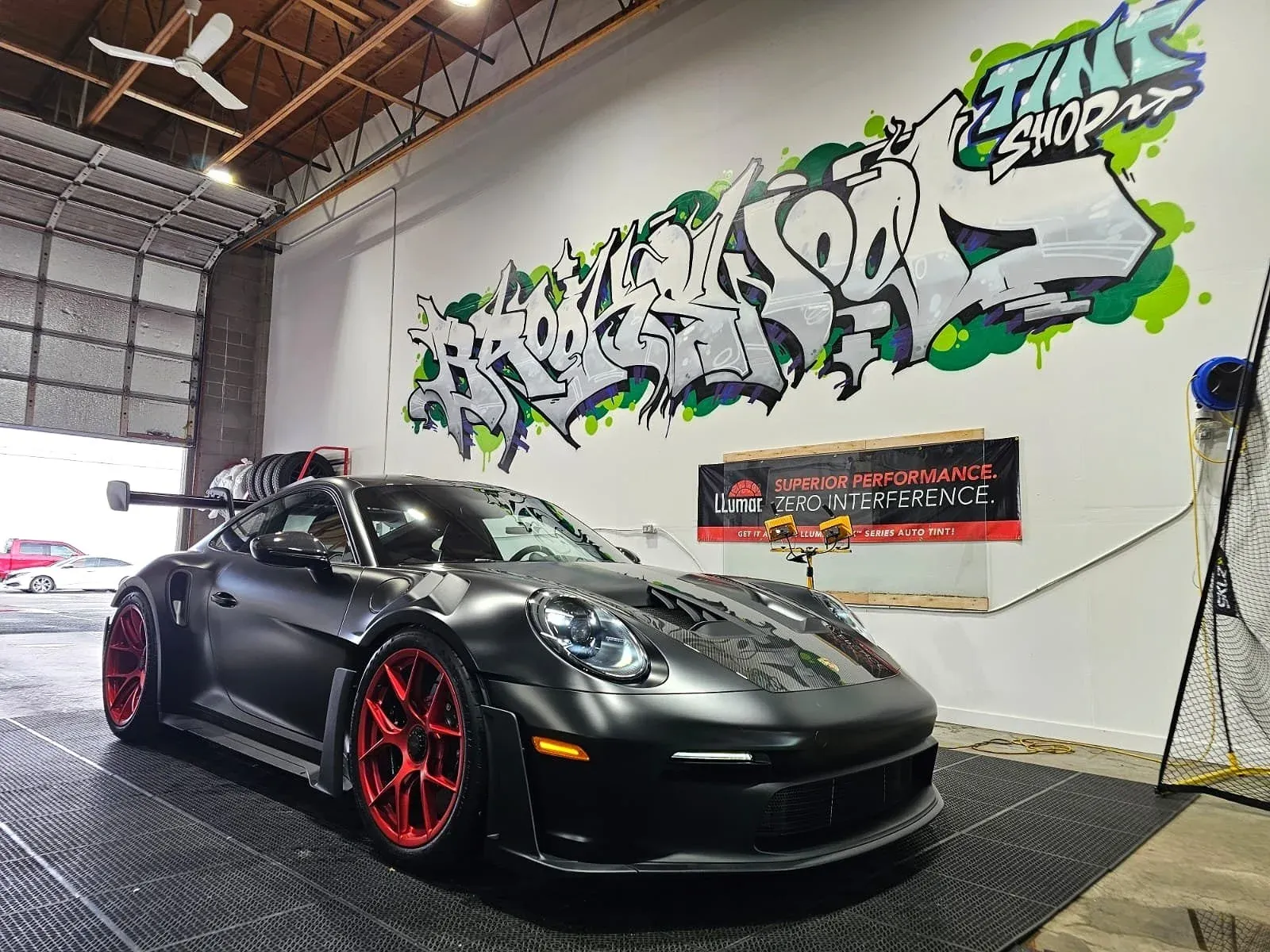
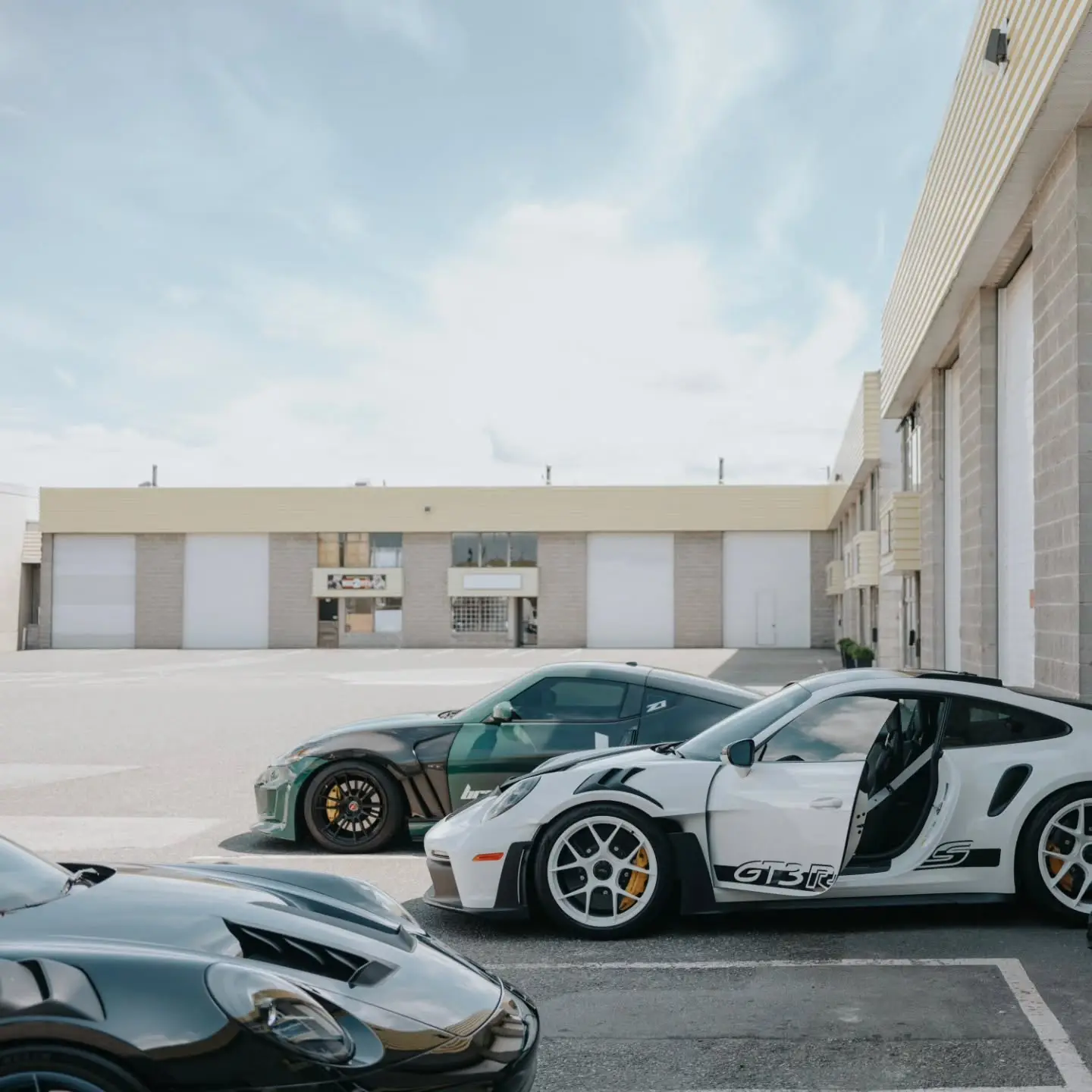
How do you get from Delta to the shop on the Langley Bypass?
Drive east on Highway 10. Whether you start in Ladner, Tsawwassen or North Delta, the trip finishes on that highway, which runs through Surrey and Cloverdale and turns into the Langley Bypass, home to the shop.
| Starting point in Delta | Straight-line distance | Roads, in order |
|---|---|---|
| Delta City Hall, Ladner | About 30 km | Ladner Trunk Road east across Highway 99, becoming Highway 10, then 56 Avenue and the Langley Bypass |
| North Delta Recreation Centre | About 19 km | 84 Avenue to 120 Street (Scott Road), south to Highway 10, then east |
| Tsawwassen ferry terminal | About 36 km | Highway 17 to Highway 99, off at Ladner Trunk Road, then Highway 10 east |
Distances run to the shop’s map pin, so the road itself is longer. None of the three routes crosses the Fraser, which keeps the George Massey Tunnel and the Alex Fraser Bridge out of the trip entirely.
What does Delta put on its roads in snow and ice?
Delta pre-wets, salts, sands and plows, starting with emergency access, arterials and major transit routes and reaching level residential streets last.
Delta’s snow and ice page sets out six priorities. The first three take in arterials, transit routes, industrial and commercial roads, school access, collectors and select hillside and farm roads, and on those the city says “pre-wetting, salting, sanding and snowplowing are carried out as long as poor conditions exist.” The fourth tier, the remaining agricultural roads and some hilly residential areas, is worked during normal working hours, as are the fifth and sixth tiers of residential streets and no-through farm roads.
For paint, the sand matters most: grit kicked up off a sanded road is what a Partial Front PPF on the bumper, hood edge and mirrors is there to take.
Is Delta’s weather different from the Fraser Valley’s?
Yes, it’s drier and has fewer very hot days. With no 1981–2010 normals station inside Delta, the closest Environment and Climate Change Canada station with them is Richmond Nature Park, about 10 km north of Delta City Hall across the main arm of the Fraser. It compares with Abbotsford Airport, the usual Fraser Valley reference, like this:
| 1981–2010 normal | Richmond Nature Park | Abbotsford A |
|---|---|---|
| Precipitation, year | 1,262 mm | 1,538 mm |
| Precipitation, November | 199 mm | 248 mm |
| Mean daily high, July | 23.9 °C | 24.0 °C |
| Days above 30 °C | 2.7 | 8.7 |
| Snowfall, year | 34.6 cm | 55.2 cm |
Summer afternoons near the river mouth run about as warm as the valley’s, but the really hot days are rarer, which tilts a Delta driver’s case for tint toward UV and glare. Every film the shop sells, from the base LLumar ATC up, lets less than 1% of ultraviolet (300–380 nm) through, per LLumar’s spec sheet; IRX’s extra heat rejection earns more of its cost on the hotter inland side.
Which crossings and highways shape driving in Delta?
Delta sits beside two of the region’s main Fraser River crossings and has its own border crossing to the United States.
The George Massey Tunnel on Highway 99
The province’s Highway 99 Tunnel Program describes the tunnel as a four-lane crossing that opened in 1959 and no longer meets the region’s needs or modern seismic standards. Its replacement, an eight-lane, toll-free immersed tube tunnel, is scheduled to open in 2031.
The Alex Fraser Bridge on Highway 91
The bridge now carries seven lanes, and a movable barrier shifted by a “zipper truck” hands northbound drivers the extra lane on weekday mornings between 4:30 and 11:30, according to TranBC. The bridge’s limit was cut from 90 to 70 km/h for good when counterflow began.
Boundary Bay and Point Roberts
The Canada Border Services Agency lists the Boundary Bay crossing as Delta, BC to Point Roberts, WA. Point Roberts is Washington soil, so RCW 46.37.430 applies there: film on windows other than the windshield must leave 24% or more light transmission, with darker glass behind the driver allowed only on anything its manufacturer designates a truck or multipurpose passenger vehicle. A sedan with 5% rear glass, legal in BC, isn’t legal there; BC vs Washington tint laws sets out where the two codes differ.
Which services make sense for a Delta car?
Film on the nose for sanded roads and highway speeds, and rear tint picked with Point Roberts in mind if you cross.
- Paint protection film. Self-healing LLumar Platinum, backed by LLumar’s 10-year limited warranty. From $850, a Partial Front wraps the whole bumper, both headlights and the mirrors and runs partway up the hood and fenders; a Full Front, from $1,550, carries the film out to the edges of the hood and fenders.
- Rear-glass tint. LLumar ATC behind the driver: five windows on a sedan or pickup from $240, three on a sports coupe from $220, seven on a full-size SUV or wagon from $260. If you drive a sedan into Point Roberts, look at ATC 35, which measures 38% on LLumar’s clear test glass; your factory glass pulls the combined figure lower, so check it against Washington’s 24% before you choose. All prices are on the window tint price list.
- Ceramic coating. Graphene-ceramic, quoted per vehicle, 1 to 3 days in the shop; see the ceramic coating page.
Front door glass is a separate question. MVAR s. 7.05(8) keeps all film off the front door glass and limits the windshield to a 75 mm band at the top. The shop will fit front film if you ask, but it isn’t road-legal in BC: a driver risks a $109 fine, or a police Notice & Order that means stripping the film and passing a designated inspection, and that risk is explained to you before anything is decided.
How do you book a job from Delta?
Put the car’s details in the quote form and say which windows or panels you want covered. Tinting a full set of glass is a same-day job on most cars; a Partial Front PPF normally needs the car for a day, a Full Front for up to two.
The shop takes cars from 9:00, six days a week (not Sundays), and closes at 17:00. Plan on keeping the windows up for 3 to 5 days after tint.