
Where does iron on a car’s paint come from?
Mostly from brakes and railways. Fine metal particles land on the car, and some of them stay put through ordinary washing.
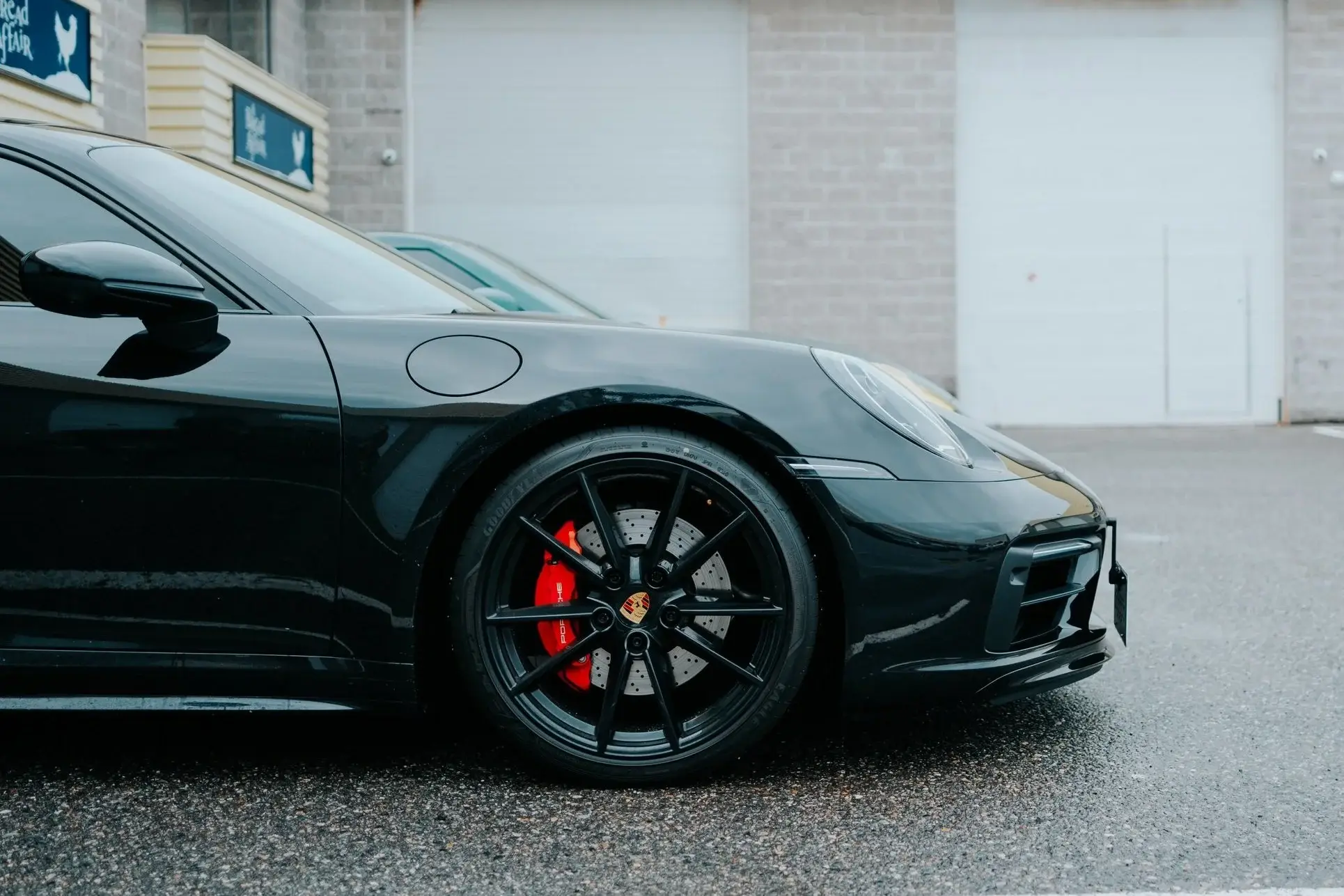
Volkswagen’s bulletin 00-17-06 describes industrial fallout as, in most cases, rail dust: small airborne metal particles thrown up by trains or by vehicle brake linings, which can sit on the surface until the paint is properly cleaned. Wheels sit right beside the brakes, which is why iron removers are sold for wheels as well as paint. Toyota’s owner’s manual lists driving where iron powder is in the air among the reasons to wash a car right away.
How does an iron remover work?
By chemistry rather than friction. The product reacts with the iron and dissolves it into a solution that rinses off, so nothing is dragged across the paint while the particles come loose.
Gtechniq’s safety data sheet for W6 names sodium thioglycolate, at 10 to 20%, first among its ingredients. Gtechniq’s application steps run like this:
- Work out of direct sunlight in a well-ventilated area, wearing gloves.
- Rinse off loose dirt.
- Spray the product on and leave it 3 to 5 minutes while the ferrous particles dissolve and turn purple.
- Don’t let it dry on the surface.
- Rinse, and repeat on heavy contamination, agitating with a soft microfibre or brush if needed.
What precautions does an iron remover need?
Treat it as a hazardous chemical, because it is one. The W6 data sheet carries the signal word “Danger” and warns that it causes skin irritation and serious eye damage and may cause an allergic skin reaction, so eye protection and gloves are part of the job. It also lists the smell as unpleasant.
Surfaces matter too. Gtechniq says not to use W6 on bare or anodised aluminium, and Toyota’s wheel-care advice rules out acidic, alkaline or abrasive detergents, and any detergent while the wheels are still hot.
Why iron fallout matters on a BC car, and at the shop
Bonded metal would be sealed under film or a coating, so it comes off first. After months of wet roads treated with salt and brine, the decontamination wash is where that happens, with chemical steps before the clay bar.
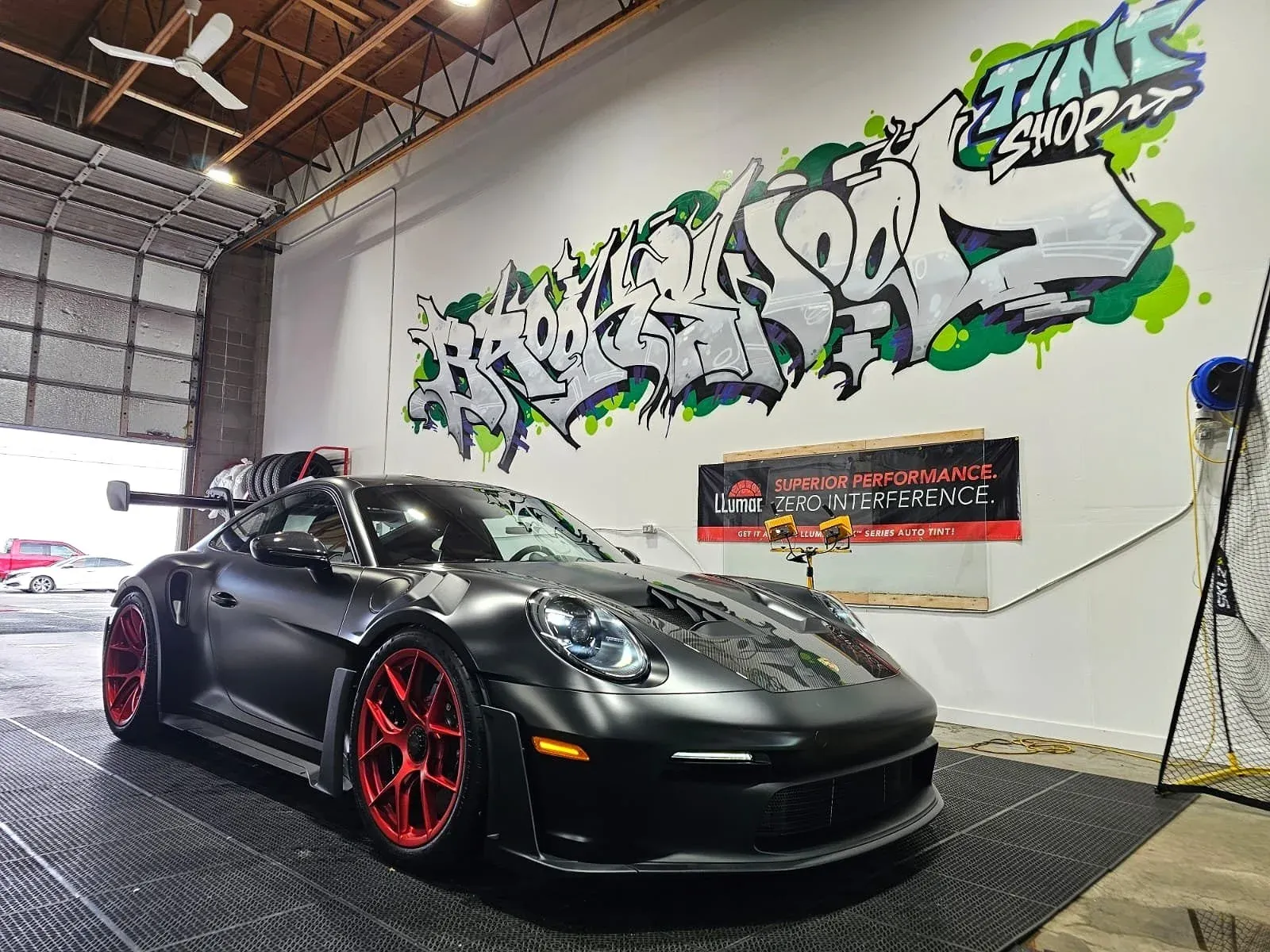
Brookswood Tint’s published process names a decontamination wash and clay at the start of every ceramic coating package, and decontaminated paint before paint protection film. Wheel faces are coated in the Performance package and whole wheels in Signature; wheel coating explains what that adds.