What does it cost to tint a Toyota Sienna?
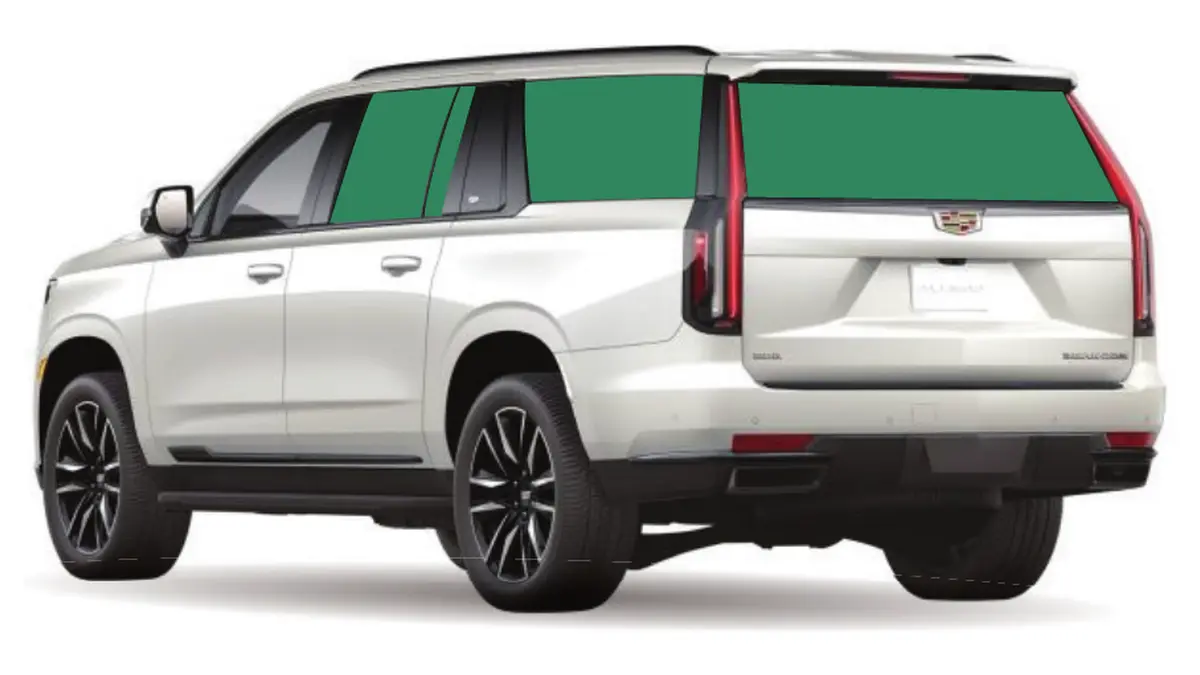
The glass behind the front doors starts at $260 in LLumar ATC. That’s the shop’s package for vans, SUVs and wagons, and on a Sienna it takes in the sliding-door windows, the quarter windows behind them and the back door glass.
| Sienna glass | From |
|---|---|
| Sliding doors, quarter windows, back door in LLumar ATC | $260 |
| The same glass in IRX or AIR ceramic | Quoted per package |
| Moonroof (XLE and up) | Quoted per vehicle |
| Driver’s and front passenger’s doors | Quoted, not road-legal in BC |
| Full windshield, from the inside | $200, not road-legal in BC |
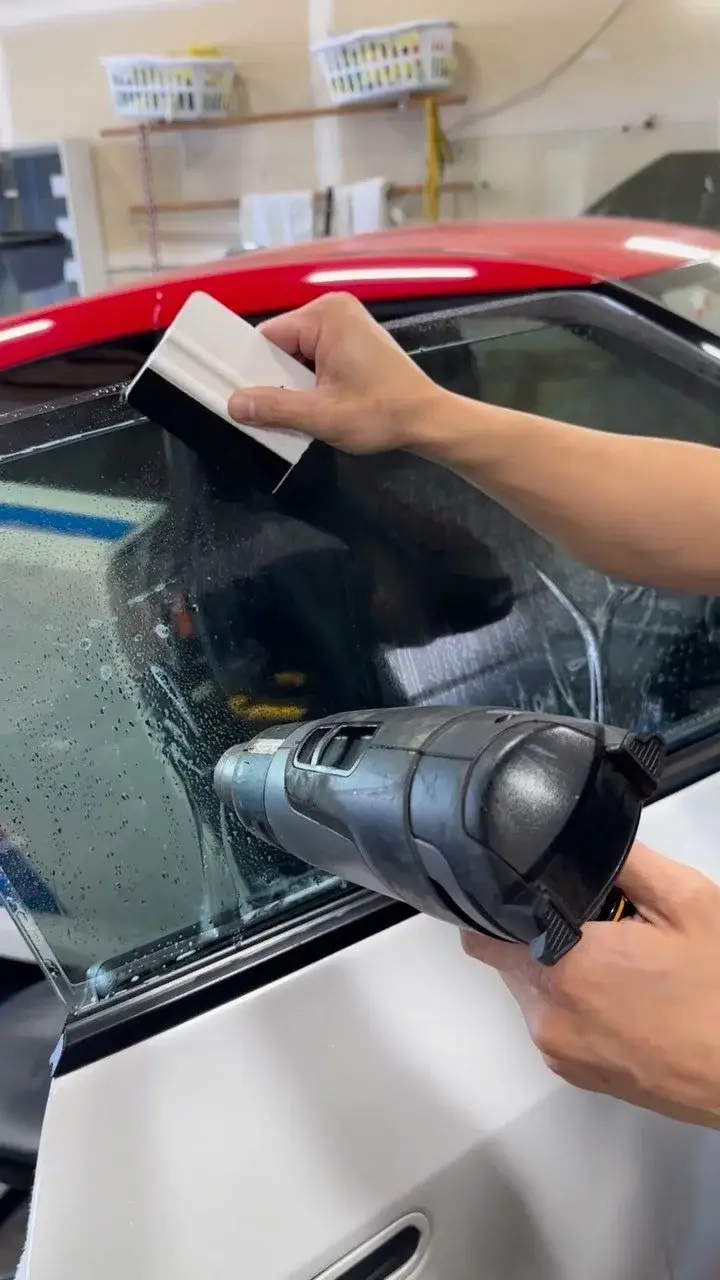
Film is cut on the shop’s plotter from the pattern for the Sienna’s model year, shrunk to each curve with heat and fitted by hand. Vans take longer than a sedan’s two to four hours, so ask for a drop-off time when you book. The minivan window tint page compares the Sienna with other vans.
Which glass does a Sienna have behind the driver?
Sliding-door windows that open, quarter windows behind them, and a back door with a defroster and a wiper. Toyota Canada’s 2026 Sienna specifications list power windows with auto up and down for all windows, a rear window defroster and an intermittent rear wiper on every grade.
Because the sliding-door glass moves, it gets the same care as any door window: closed for three to five days while the film cures. The 2025 manual’s window lock switch stops passengers lowering it by accident. On the back door, the film goes on the inside, over the defroster lines, which carry on working; tinting over rear defroster lines explains why scrapers, not film, are what damage them.
Every Sienna since the 2021 model year belongs to the fourth generation, which Toyota built as a hybrid only. An older third-generation van has different glass, so tell the shop the year.
How do the Sienna’s pull-up sunshades work with film?
They stay, and they still do their job. Toyota Canada fits a second-row sunshade to the sliding doors on every 2026 grade, and the Limited and Platinum add third-row sunshades on the quarter windows.
Toyota’s 2025 Sienna owner’s manual describes them as shades you pull up and hook in place, and warns not to operate the sliding-door shade while the door is opening or closing. A shade only blocks sun when it’s raised, and it blocks the view while it’s up. Film works all the time, keeps the view out, and every film the shop sells is rated above 99% UV rejection. The two work together: film on every trip, the shade when you want the glass covered.
What’s on the Sienna’s windshield and roof?
A camera, and on the top grade a head-up display. Toyota Safety Sense 2.0 is standard on every 2026 Sienna, and Toyota Canada’s 2025 Sienna release added a Platinum grade with a head-up display. The 2025 manual’s front camera section reads: “Do not attach window tint to the windshield.”
BC agrees from a different direction. MVAR s. 7.05(8) allows film only on the top 75 mm of the windshield, on side windows behind the driver, and on the rear window when there are mirrors on both sides. Film on the front doors, clear film included, isn’t road-legal: Mission RCMP puts a typical ticket at $109, and police can order the film off and the van inspected. The shop fits it only on request, after explaining that; front window tint in BC covers the law.
Overhead, Toyota Canada lists no moonroof on the LE and a power moonroof on every grade from the XLE up; roof film is quoted apart from the side windows.
How do you book Sienna tint in Langley?
Send the model year and grade, say which film you’d like (ATC, IRX or AIR) and whether the moonroof is in. The shop replies with prices for the van.
Plan on leaving it for longer than a car. Keep the sliding-door and front windows up for three to five days, expect any slight haze to clear within the week, and clean the film with soft microfibre and ammonia-free products. Ask for a quote on the Sienna tint form, and for the paint, see Toyota Sienna PPF.