

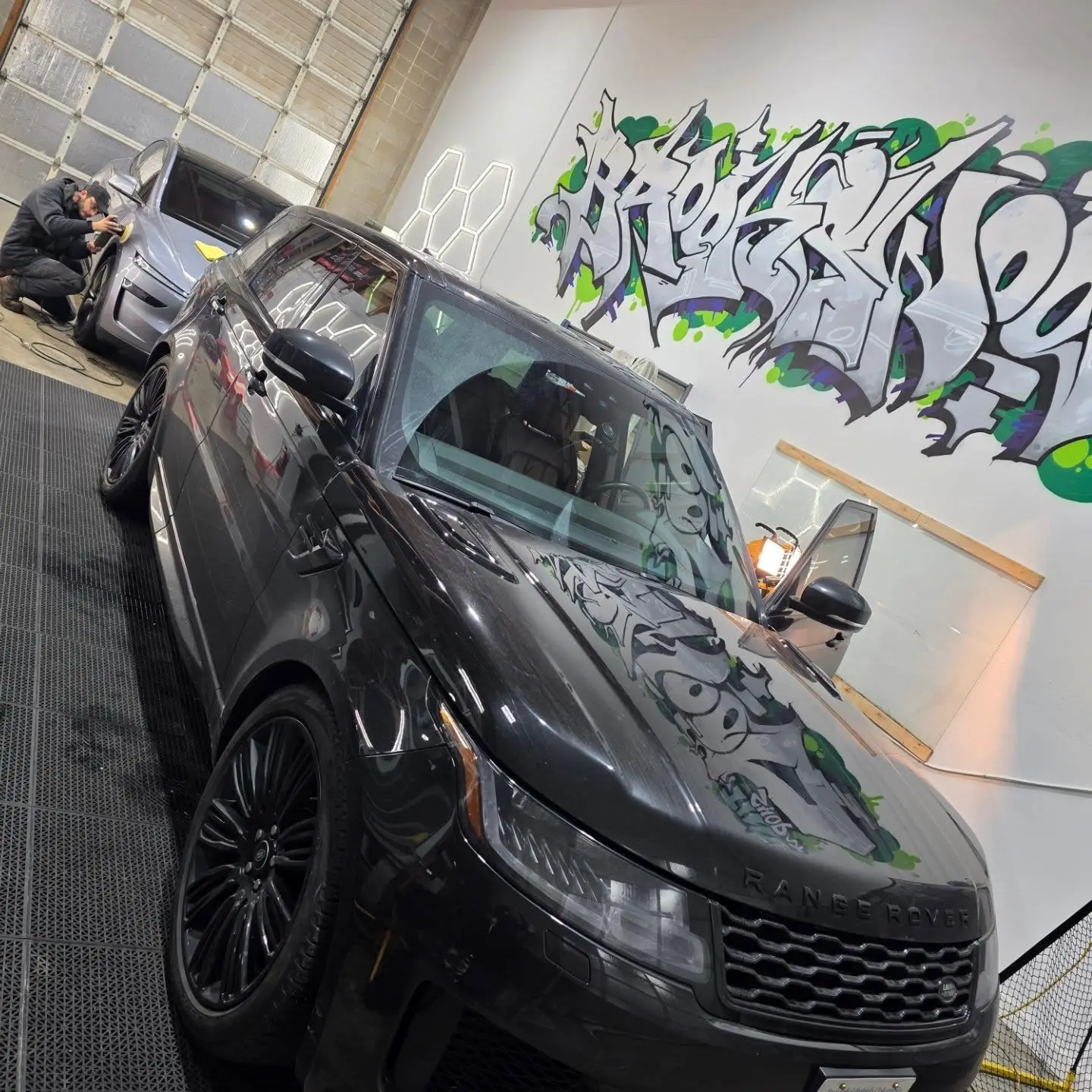
What does maintaining a ceramic coating actually involve?
Mostly washing it well, and not much else. The coating does its part by letting dirt release easily; your part is to remove that dirt gently and often enough that nothing sits on the paint for long.
| How often | What to do | Why |
|---|---|---|
| Every wash | Pre-rinse, two-bucket hand wash with pH-neutral shampoo, towel dry | Removes grime without scratching or leaving residue |
| At least monthly | A full wash, even if the car looks clean | Mazda’s minimum for protecting paint, and a fair floor for a coating too |
| Same day, when it happens | Lift droppings, sap, tar and bug residue | They can damage the finish if left |
| Through winter | Rinse brine off the body, wheel arches and underbody | Salt residue builds up fast on treated roads |
| When a normal wash stops restoring the beading | A deeper decontamination clean | Lifts bonded grime that shampoo leaves behind |
| Each season | Water test on a clean panel | Shows whether the coating is still repelling water |
| Occasionally, if you like | A coating-safe spray topper | Refreshes slickness without masking the coating |
Mazda’s Canadian owner’s manual tells owners to wash “thoroughly and frequently, at least once a month” to protect the finish from rust and deterioration (Mazda Canada). A coating makes each of those washes faster. It doesn’t make them optional.
Why does a coated car still need washing?
Because a coating keeps grime from bonding, not from landing. Rain, road spray and dust settle on a coated car just as they do on any other, and a layer of grime left in place smothers the beading and holds contaminants against the surface.
The shop’s coating page describes the trade this way: grime clings less, so washes come less often, rinse faster and need less scrubbing. That’s the real maintenance saving: a wash that takes less effort and less rubbing, which is also what keeps fine scratches from building up. The technique is on the hand-wash method for coated cars.
What should you clean off a coating straight away?
Anything organic, sticky or salty. A coating buys you time with these, but it isn’t a reason to leave them.
Mazda’s manual names bugs, tar, sap, droppings and industrial fallout as deposits that harm the finish unless they come off right away. The shop sells its coating as a barrier that keeps deposits like these off the clear coat; the sensible way to keep it that way is never to put it to the test.
- Bird droppings: lay a wet microfibre over the spot for a minute so it softens, then lift it away.
- Bugs: soak first after a summer highway drive; never scrape.
- Tree sap and tar: use a remover that’s safe on coated paint, and follow its label.
- Salt film: rinse it off rather than wiping it dry.
How does winter in the Fraser Valley change the routine?
It adds salt and a lot more water. The coating sheds both well, but salt still needs rinsing off the car and out from underneath it.
Rain does most of its work in the cold months here. Abbotsford A’s 1981–2010 normals put November rain at 241 mm on average and July’s at just 43 mm. Snow brings its own chemistry: the City of Langley brines priority routes once snow is in the forecast, then relies on salt when it lands, mixed with sand where streets are steep.
The coating takes care of the painted panels; the parts it doesn’t reach need you. Mazda advises paying “special attention” to salt under the fenders and keeping the drain holes along the lower door edges and rocker panels clear. Its underbody section asks owners to flush the underbody and wheel housings thoroughly once winter ends, and ideally every month (Mazda Canada). Salt on the paint itself is the subject of the road salt answer for coated cars.
What maintenance does more harm than good?
Waxing, polishing and over-scrubbing. The instinct to “feed” the paint comes from wax-era habits, and on a coating it backfires.
- Wax: it sits on the coating and replaces the coating’s behaviour with its own for a few weeks.
- Polish and cleaner products: Gtechniq tells owners of its coatings not to polish them at all (Gtechniq); abrasives remove coating along with whatever they’re meant to clean.
- Brush car washes and dry wiping: both drag grit across the surface.
- Strong all-purpose degreasers on paint: more chemistry than a coated car needs.
How this compares with the upkeep a wax or sealant asks of you is laid out in ceramic coating vs wax and sealant.
Does a ceramic coating need professional upkeep?
Not on a schedule, but it’s worth bringing the car in if the beading fades across the car or you notice marks that won’t wash off. Cleaning it, inspecting it under bright light and running a water test show whether it needs a deeper clean, polishing or a new coating.
For a home check between visits, testing a coating yourself walks through it. Polishing and re-coating are both priced for the individual car, a coating visit lasts one to three days, and the first day home is a dry one. Book through the coating quote form. You can also text 604 534 6433 with the car and its coating date. A season-by-season plan for a wet climate is in the ceramic coating care guide.