Why does PPF matter more on a collector-plated car?
Because ICBC’s collector status rests on the paint staying chip-free. A stone chip that would be a nuisance on a daily driver is, on a collector car, a fault that ICBC’s own rules list.
ICBC’s collector vehicle page says the exterior “must not have any dents, paint blemishes, bubbling, chips, rust, or visible primer”, and that a car with damage of any kind, whatever its age, fails the collectible condition. Eligibility starts at 25 years old, or 15 for some limited-production or discontinued vehicles. The status has to be kept, too: if the car’s condition slips below those standards, ICBC tells owners to “immediately visit your Autoplan broker’s office to obtain regular plates and insurance.”
Collector plates also limit how the car is used. ICBC allows driving “for pleasure only”, not to or from work or school, so every kilometre is a leisure drive, whether a club run, a show or a weekend trip. Those drives can still put the car on the highway behind other traffic, and that’s where film on the bumper, hood and fenders earns its keep.
Can PPF go on original, resprayed or freshly painted classics?
Yes, with different expectations for each. LLumar builds its film for factory finishes, which its PPF FAQ calls “original painted surfaces”, and its warranty doesn’t extend to problems on repaired or aftermarket paint.
Plenty of classics wear a later finish: ICBC’s approved list even lets collector owners refinish the car “with a base coat clear coat paint system”. So the paint’s history shapes the plan:
| Paint on your classic | What LLumar says | What to plan for |
|---|---|---|
| Original factory paint | The surface the film is designed for | Thickness check, decontamination, correction if needed |
| Older respray | Repaired paint issues fall outside the warranty | Ask how the panels measure before choosing coverage |
| Fresh paint | Allow about 30 days for the paint to outgas | Book the film once that wait is over |
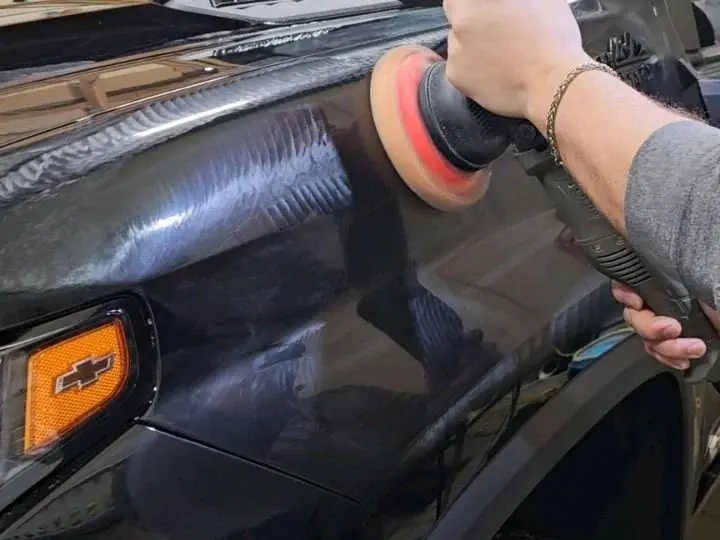
Before any polishing or film, the shop measures paint thickness on the car. Removal is the other reason to mention a respray: whether PPF damages paint when it comes off explains why repainted panels are the case to watch.
Which PPF package suits a classic, and what does it cost?
Partial Front starts at $850 and Full Vehicle at $4,000, all in LLumar Platinum; the film’s limited warranty from LLumar runs 10 years. Classics are quoted per car, since size, panel shape and the paint’s state decide the final figure.
| Package | From | Covers | Time in the shop |
|---|---|---|---|
| Partial Front | $850 | Bumper, front of the hood and fenders, headlights, mirrors | Usually one day |
| Full Front | $1,550 | Whole hood and fenders, bumper, headlights, mirrors | 1–2 days |
| Track Package | $1,900 | Full Front plus partial roof, A-pillars, rockers | 1–2 days |
| Full Vehicle | $4,000 | Every painted surface, plus headlights | 3–5 days |
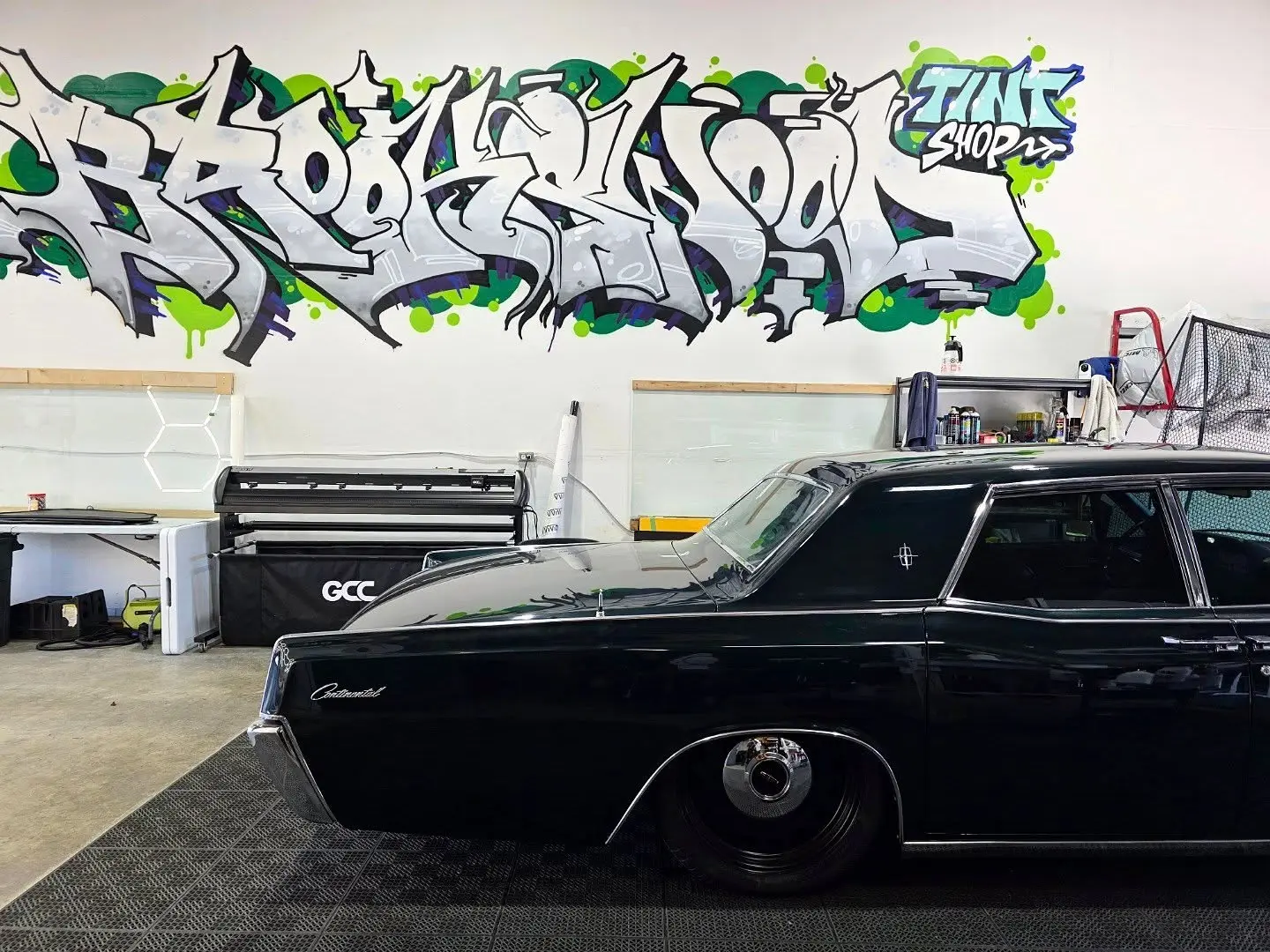
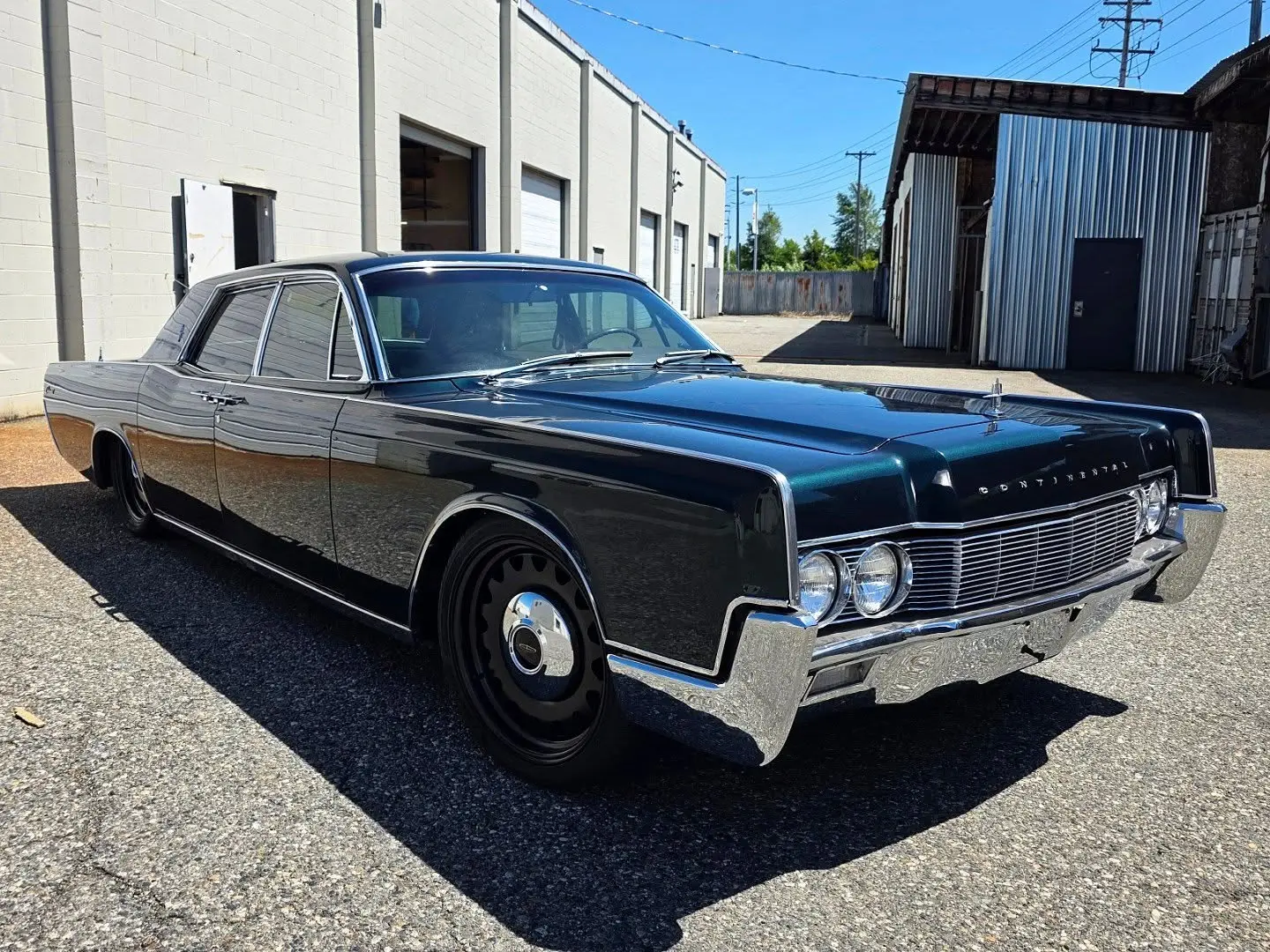
Two things work differently on older cars. Chrome bumpers, like those on the 1967 Lincoln Continental in the shop’s photo library, aren’t painted panels, so a front package on a car like that covers the paint around them. And because film is cut from software templates, ask at the quote stage whether a pattern exists for your year and model. For a car kept for decades, full-body PPF leaves no painted panel uncovered.
Gloss film keeps a collector car looking as it did: LLumar describes Platinum Gloss as designed to maintain a car’s factory-fresh look. Matte film turns gloss paint satin, and ICBC expects collector cars to conform to the maker’s original specifications with no custom paint work, so check with ICBC before going matte.
One more point if the headlights are filmed: BC’s 2025 inspection manual rejects any lamp lens that “reduces transmission of light”, and any lens covered by anything at all. At an inspection, clear headlight film could be questioned too.
Where does ceramic coating fit on a classic car?
On top of corrected paint and film, for gloss and easier cleaning. A coating doesn’t stop stone chips, which is the job film does; the two are compared in detail on PPF vs ceramic coating.
The shop’s graphene-ceramic coating comes in three packages. Essential puts down one layer, Performance lays two over a two-stage correction, and Signature builds four over full correction. Coating takes 1–3 days in the shop, and after pickup the coating needs 24 hours without water. Coating is quoted per car.
Correction comes first on most classics, and paint correction is matched to what the paint can take. An enhancement polish, one stage, is about a day’s work; two-stage correction runs 1–2 days; and a multi-stage restoration goes past three days and is priced once the paint has been inspected. The order is correction, then film, then coating over both.
Can a classic car have its windows tinted too?
It depends on the plates. ICBC’s approved parts and accessories list for collector status says owners can’t “install an aftermarket window tint on vehicles 1992 or older”.
On regular plates, BC’s tint rule applies as it does to any car. Under MVAR s. 7.05(8), film may go on side windows behind the driver at any shade, and on the back glass only when the car has an exterior mirror on each side, so a classic with a single driver’s mirror needs a second one first. The front side windows can’t legally take film, and the windshield only a top strip of 75 mm. Front film goes on at the shop only when a customer insists, and only after the installer has made clear that it’s illegal on BC roads and can lead to a ticket or a Notice & Order. The 1967 Lincoln Continental project shows tint on a car of that era.
How should a classic with film be washed?
Hand washing or a touchless wash, once the film is a week old. Hold any pressure-washer wand well away from the film’s edges, and never take the car through a brush wash.
LLumar’s FAQ describes proper care as frequent hand washing, clearing staining hazards like bird droppings quickly, and sticking to non-abrasive waxes. Platinum also has a self-healing top coat, and LLumar says the majority of light surface scratches close up once warmed by the sun or warm water.
Booking PPF and coating for a classic
Start with the PPF quote form and give the year, make and model, the paint’s history (original, older respray or recent paint, with dates), whether the car is on collector plates, and the package you’re considering. Mention chrome bumpers, custom trim or anything non-original on the body.
Plan the car’s time away: a day for a Partial Front, 1–2 for Full Front, 3–5 for Full Vehicle, plus any correction and 1–3 days for coating. Brookswood Tint, a Langley shop since 1989, works from Unit 312, 20560 Langley Bypass, Monday to Saturday, 9:00 to 17:00. Questions before you book? Call or text 604 534 6433.