
How does a dealer paint protection package compare with PPF?
A dealer package is usually a sealant or coating applied before you take delivery; PPF is a film that physically takes stone hits. These are the differences that matter when you’re sitting at the business-office desk.
| Typical dealer paint protection package | Paint protection film (LLumar Platinum) | |
|---|---|---|
| What goes on the car | Often a sealant or coating applied to the paint; some dealers sell film | Clear, self-healing film on a named list of panels |
| Rock chips | A sealant or coating doesn’t stop them | Takes the hit on every covered panel |
| What you see before paying | A package name and a price | A panel list and a published starting price |
| Warranty | A contract whose terms vary by dealer | LLumar’s 10-year limited warranty on the film; the shop lists yellowing, cracking, bubbling, peeling |
| When it goes on | Before delivery | On a day you book after delivery |
| Price | Set by the dealer, and negotiable | From $850 Partial Front, $1,550 Full Front |
| Can you decline it? | Yes, it needs your approval | You only book what you want |
The film column is what we install. The dealer column is general on purpose: what’s in a package varies from one dealer to the next, and the contract is the only reliable description of it.
What is usually in a dealer paint protection package?
Often a paint sealant or coating applied at the dealership before delivery, sold together with a written protection plan. The product, the prep and the contract all vary by dealer, so the name on the deal sheet tells you very little.
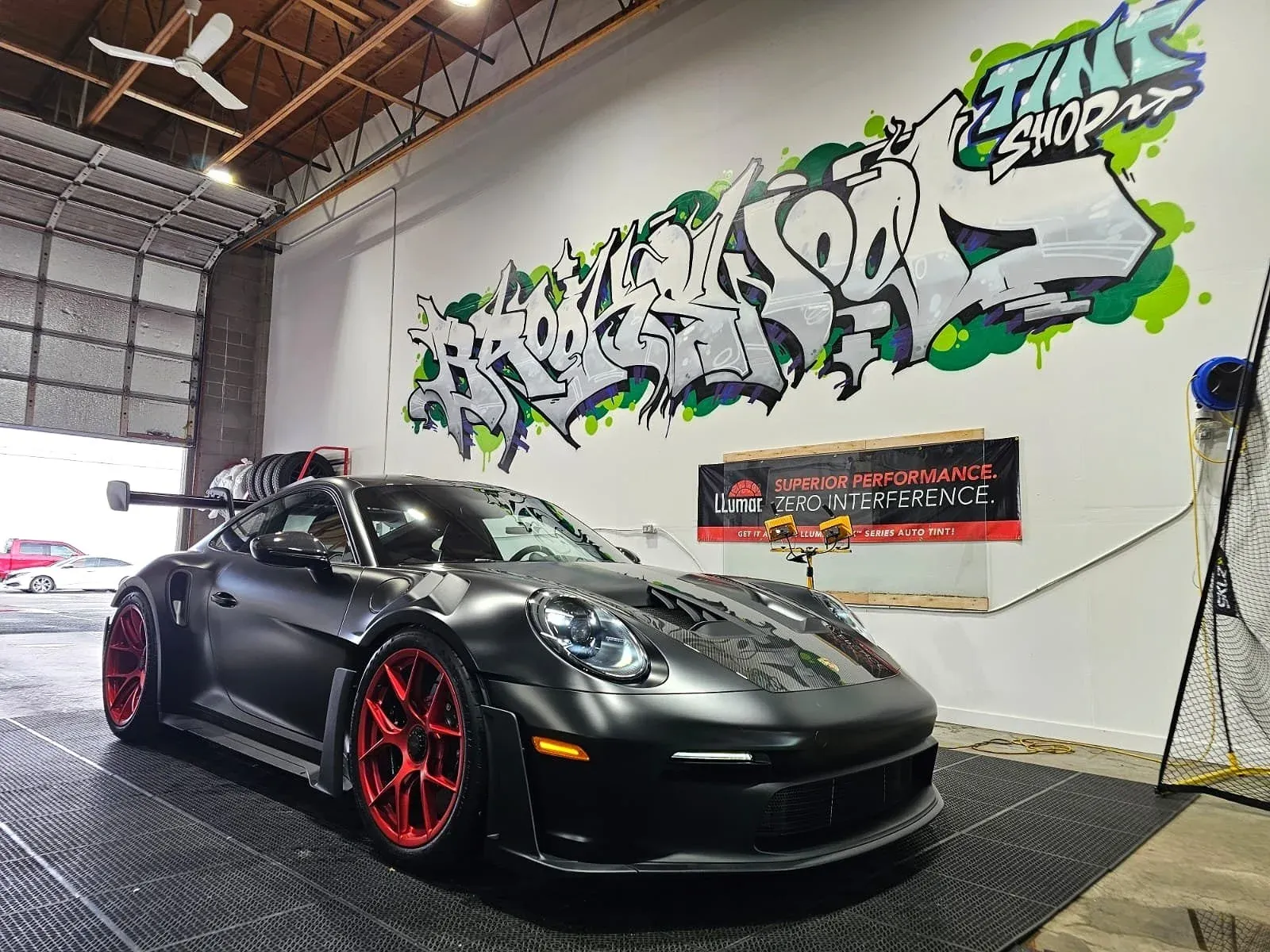
“Paint protection” on a bill of sale can mean a wipe-on sealant, a multi-layer ceramic coating, or film on the front end. Some dealers have film installed by an outside shop; a RevScene poster mentioned dealers sending their new cars to Brookswood. Ask which it is before you weigh the price.
Prep matters as much as product. A coating locks in whatever is on the paint when it goes on, swirls included. In our shop, no coating goes on until the paint has been decontaminated, clayed and machine polished at least once, and it’s fair to ask a dealer what happens to your car before their product goes on.
What does a dealer paint protection warranty actually cover?
Only what its contract says, so read the covered list and the exclusions before you sign. A sealant or coating can’t stop a stone, so look first at how the contract treats rock chips.
Things to find in the contract itself:
- What’s covered: the specific kinds of damage named.
- What’s excluded: chips, scratches, wear, and damage from car washes are the lines to look for.
- Conditions: approved wash products, inspection visits or re-application you must keep up to stay covered.
- Who pays a claim: the dealer, the product maker or a separate company, and how you start a claim.
- Length and transfer: how long it lasts and what happens if you sell the car.
Film warranties have limits too, and it’s fair to say so. LLumar backs Platinum with a 10-year manufacturer’s limited warranty, per its Platinum Gloss page, and the shop’s published terms name the film’s own failures: yellowing, cracking, bubbling and peeling. What film gives you is a physical layer between the stone and the paint, not a promise to repaint.
What are your rights when a BC dealer offers a protection package?
The package is your choice. The Vehicle Sales Authority of BC says that in the business office “You may be offered products such as warranties, protection packages and insurance products”, and that “You must approve these purchases to be charged for them.”
In BC: the VSA’s Transaction Tips say “everything in a vehicle transaction is negotiable, with the exception of taxes”, and that “Unlike a lease, there is no return or cooling-off period for the purchase or financing of a vehicle.” Decide on add-ons before you sign.
Other points from the VSA that apply at the desk:
- It belongs on the agreement. A written sales agreement must include “details and price of equipment or accessories added to, or removed from, the vehicle.”
- Advertised prices include attached extras. For a new vehicle, the advertised total must include “the cost of any accessories or optional equipment that is physically attached to the vehicle” (Things to Know Before You Go).
- Late charges are a red flag. The VSA’s dealer-fee guidance says fees must come up during negotiation and “cannot be added once a price has been negotiated and agreed to” (Understanding Dealer Fees). If a protection charge only appears at signing, ask why, and use the VSA’s My Self-Help tool if it isn’t resolved.
- Terms must be explained. Dealers must “explain the terms of your purchase and let you agree or disagree to those terms” (What are my Rights?).
- Leases are different. A lease has a one clear day cooling-off period unless you waive it in writing (Financing and Leasing).
What should you ask the dealer before you sign?
Ask enough to know exactly what you’d be paying for, and get the answers in writing. This list covers it.
- What is the product, by brand and product name: a sealant, a coating or film?
- Is it already on the car, or applied after I agree?
- What does it cost on its own, and what’s the price without it?
- Which panels and surfaces does it cover, and how many layers?
- Is the paint washed, decontaminated and polished before it goes on?
- Does the warranty cover stone chips, and what does it exclude?
- What must I do to keep the warranty valid, and who pays a claim?
- Can it be cancelled later, and on what terms?
- Is it on the sales agreement as its own line with its own price?
Leave with a copy of the agreement and the warranty documents; the VSA lists warranty documents among the papers you should get.
Dealer package or PPF: which should you choose?
If preventing rock chips is the goal, film is the product that does it; a dealer coating is about gloss and easier washing. You can also decline the package and book film, a coating or both after delivery.
A dealer package suits you if
- You mainly want easier washing, and the negotiated price is one you’d pay for a coating anywhere.
- You want the car handed over finished, and you’ve read the contract and like what it covers.
- The package turns out to be named film on named panels, and the price holds up against a film quote.
PPF suits you if
- The car will see Highway 1 and you want the front end free of chips.
- You want to know exactly which panels are covered and by which film.
- You want the warranty to come from the film’s manufacturer.
Where we stand
We install LLumar Platinum PPF and graphene-ceramic coatings, so we sell both sides of this choice. A fairly priced dealer coating isn’t a bad buy; the trouble starts when it’s sold as chip protection. If chips are your concern, decline that part of the package and compare it with a film quote. How a coating and film differ in detail is on PPF vs ceramic coating.
How do you book PPF for a new car in Langley?
Use the PPF quote form for your vehicle, and mention anything the dealer applied. A Partial Front from $850 normally needs one day in the shop; a Full Front from $1,550 needs one or two.
Hold off washing new film for a week; after that, wash by hand or touchless. Timing the install around delivery day is covered in when to film a new car, and a full tint, film and coating plan is on new car protection. Dealers arranging work for customers can see dealership services. Every package and panel list is on paint protection film.