How is a ceramic coating removed?
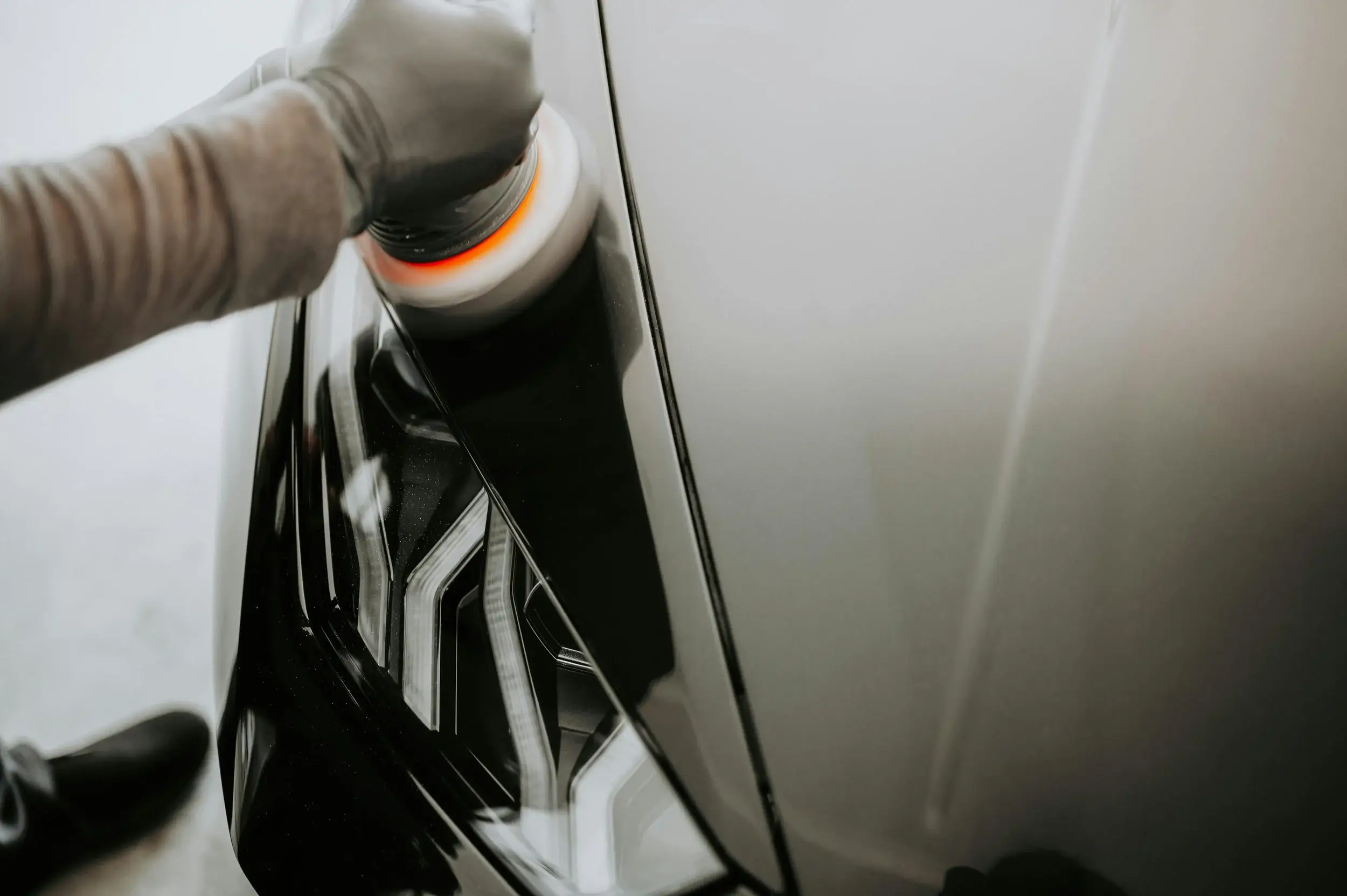
By machine polishing with a compound, the same way scratches are taken out of clear coat. A cured coating is bonded to the paint, so the only way to get it off is to abrade it away.
The clearest guidance comes from the companies that make automotive paint, as collected by I-CAR, the collision repair industry’s training organization, in its 2023 article on ceramic coatings:
| Source (as quoted by I-CAR) | What it says about removal |
|---|---|
| PPG | “Buffing the coated panels with a heavy-duty compound and a wool pad is the best practice” |
| PPG | “Sanding or scuffing have the potential to imbed the ceramic coating further into the surface” |
| Ceramic Pro, a coating maker | “Ceramic Pro is removable only via abrasion” |
| Axalta | “To refinish the vehicle properly, these coatings must be removed prior to paint preparation” |
Coating makers say the same about their own products. Gtechniq describes its Crystal Serum Light as a coating that “if applied incorrectly can be machine polished from your vehicles paintwork,” and tells installers who let residue cure to “polish the area” and apply it again (Gtechniq).
Why won’t a cleaner or a strong shampoo take it off?
Because a cured coating isn’t sitting loosely on the paint the way wax does; it has bonded to it. Shampoos, strip washes and decontamination products clean what’s on top of the coating and leave the coating itself in place.
PPG puts it directly: “Most surface cleaners will not ‘wipe’ the ceramic coating off the surface.” It also warns that “A surface cleaner that will remove the ceramic coatings may damage other parts of the vehicle.” So treat any product sold as a quick chemical coating remover with suspicion: whatever is strong enough to lift the coating also reaches the trim, seals and lenses around it.
When does a coating need to come off?
When something else needs to bond to the paint, or when the coating itself has gone wrong. Otherwise it’s usually left to wear.
Before paint protection film
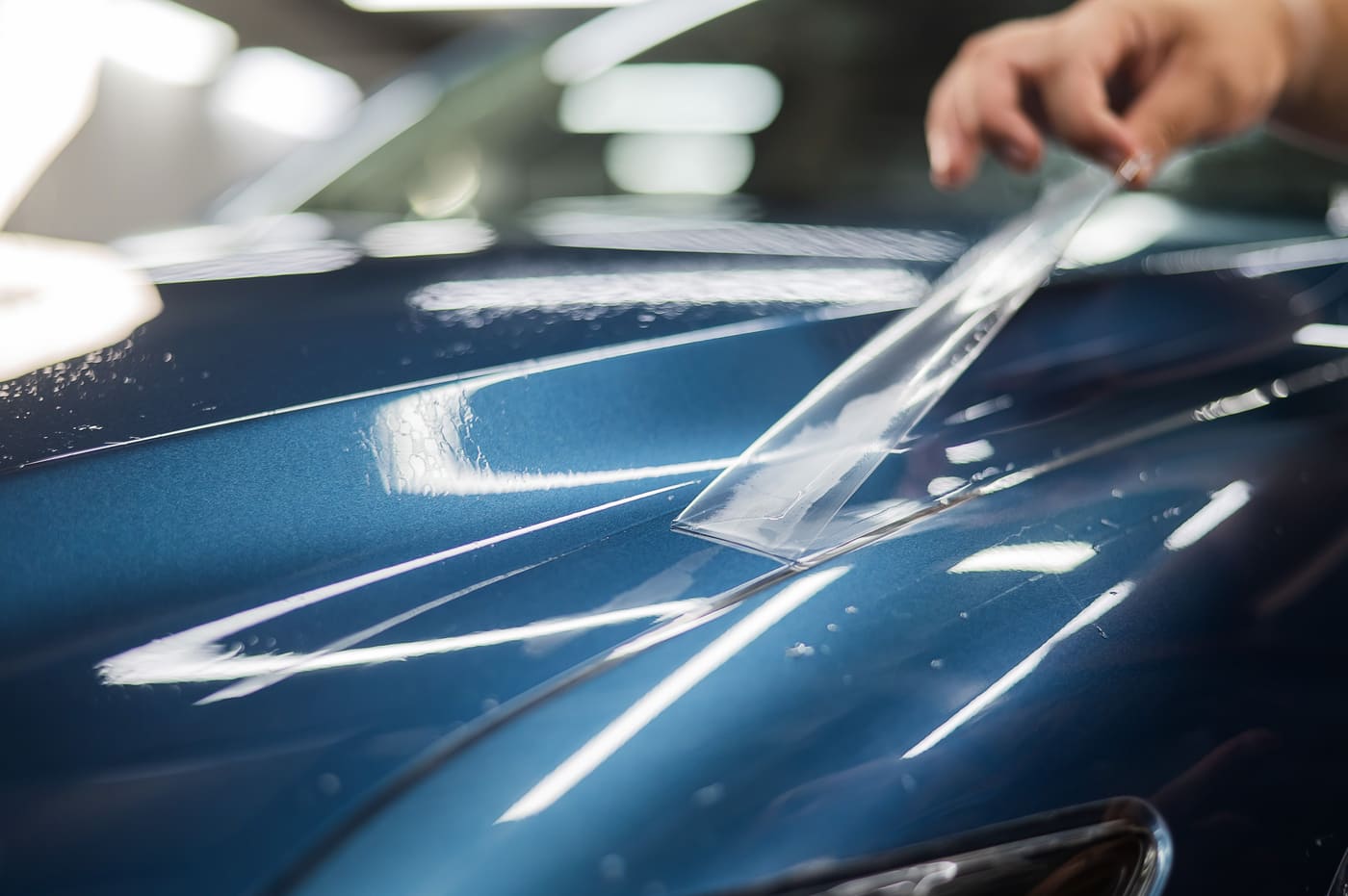
LLumar’s PPF FAQ lists wax “or any other coatings” as things to keep off a car that’s about to get its film, since they hamper adhesion. If you coated the car first and now want film on the front, the coating comes off the panels being filmed. Afterwards, film and paint can be coated together; sequencing PPF, coating and tint explains why that order matters.
Before collision repair or a repaint
Refinishing paint has to bond to the panel too. AkzoNobel warns, per I-CAR, that neglecting to remove a coating completely before refinishing “carries a high risk of paint defects”. Tell the body shop the car is coated when you book.
After a poor application
High spots, streaks or uneven patches from a badly applied coating are polished out of the affected area and the panel is re-coated.
When it’s worn unevenly
A coating that has worn away in patches can leave a car beading on some panels and not others. Polishing back to bare, corrected paint and coating again gives an even finish.
How do you know all of the coating is off?
Test the panel with a wax and grease remover and watch how it behaves. A coating left behind makes the liquid bead; bare, clean paint lets it lie flat.
Sherwin-Williams’ instruction to refinishers, as quoted by I-CAR, is: “If the cleaner beads up, repeat the buffing process until the cleaner no longer beads up.” PPG adds that the inspection should confirm removal is complete right out to the panel edges.
Does removing a coating harm the paint?
It uses up some clear coat, the same as any correction, so it has to be done with care. The compound can’t tell the coating from the clear coat underneath, and once the coating is gone it keeps cutting.
That’s why a thickness gauge goes over the paint before the polisher does, and why the work stops at the least aggressive stage that gets the coating off. On paint that has already been corrected more than once, the readings may limit how far it can go. The numbers are in the clear coat cost of polishing.
Left alone, a coating doesn’t need removing at all. The shop describes a coating as a sacrificial layer, meaning it’s there to take the wear from washing and weather in place of the clear coat beneath. How long that takes depends on the package and the care, covered in how long ceramic coating lasts.
How do you book coating removal?
Book it as paint correction, and say what’s going on the car next. Removal is priced on the paint’s condition and how much of the car is involved, and it’s quoted after a look at the car.
| Correction level | Time |
|---|---|
| Enhancement polish | About a day |
| Two-stage correction | 1–2 days |
| Multi-stage restoration | 3+ days, quoted after inspection |
If the car is going on to PPF, the polishing, film and a fresh coating over the film can be planned as one visit; the film packages are on paint protection film. Request a quote through the paint correction form with the year, make, model and what was applied, if you know. The correction levels are described on paint correction, and what drives the price on paint correction cost.