
Why does the bay temperature matter more than the weather outside?
Because coatings are made to be applied within a temperature range, and an indoor bay can hold that range in any month. What the thermometer says outside only matters once the car leaves.
Makers print these ranges on their own products. Gtechniq, for one, says to apply its Crystal Serum Light only “between 5°c and 25°c”, never in direct sunlight, and to make sure the car is indoors and can stay indoors for 12 hours afterwards. That isn’t the coating the shop uses, but it shows the kind of window a coating needs.
A Fraser Valley winter sits below a window like that much of the time. In Environment and Climate Change Canada’s Abbotsford climate normals for 1981–2010, an average December has just 3.4 days when the afternoon high gets past 10 °C, and January has 6.3. Cold snaps go lower still: the overnight low drops under −2 °C on 8.7 December nights and 7.8 in January, and snow falls on 3.6 and 3.7 days of those months.
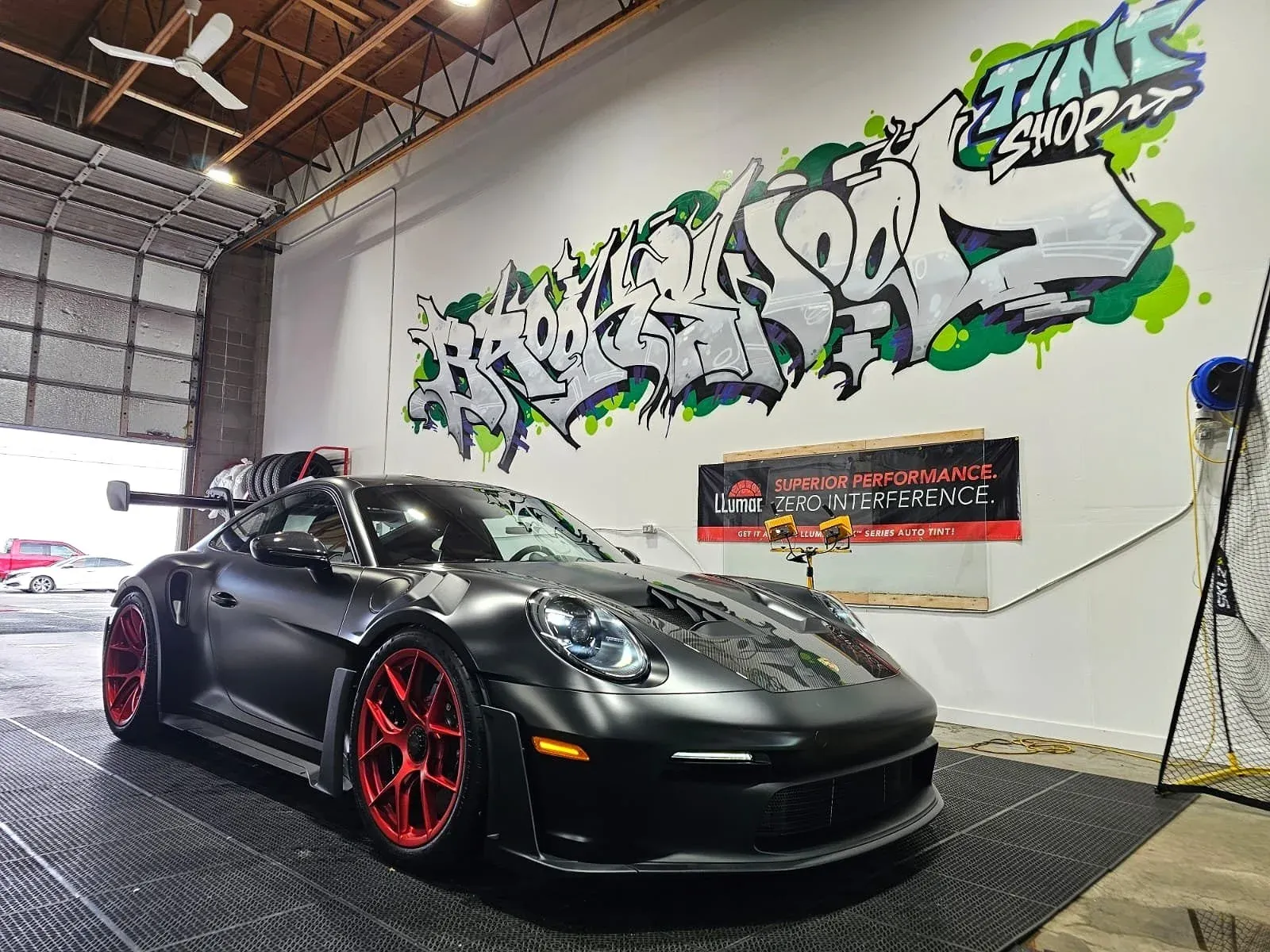
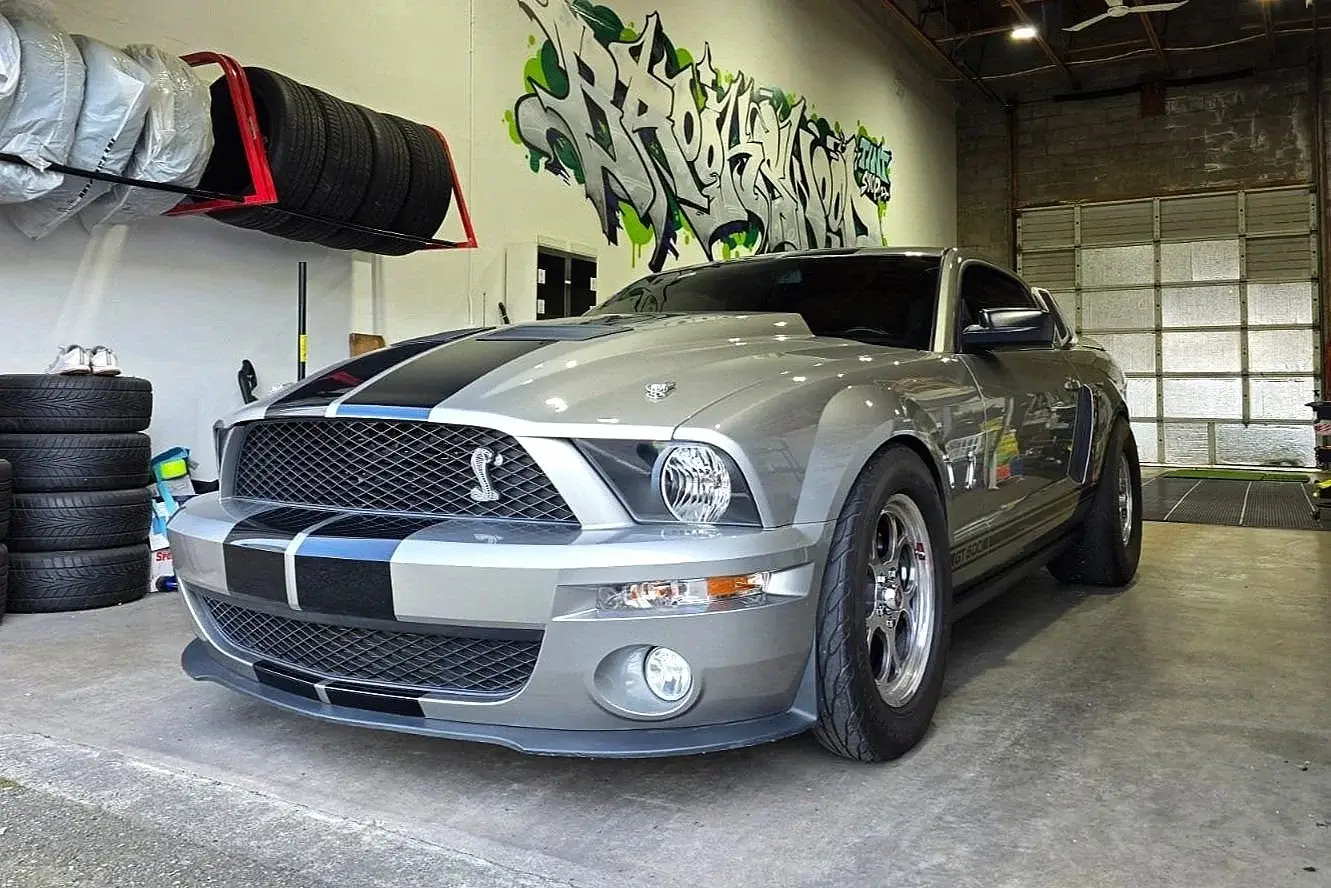
So a driveway coating in December means working in single-digit temperatures on almost every day. The shop applies coatings in what it calls a controlled environment, so the bay, not the forecast, sets the conditions.
What’s different about prepping a car for a coating in winter?
There’s more to take off. A winter car arrives carrying salt film, road grime and often a wet underside, and all of it has to be gone, and the paint dry, before a coating will bond properly.
Every package starts the same way whatever the month: a decontamination wash, a clay bar, then at least one stage of machine polishing, after paint thickness has been measured. In winter, the decontamination step is what strips the brine residue off the lower panels. On a rainy morning that also means drying the car fully, panel gaps and mirror housings included, since the coating goes onto clean, dry paint. Most of the one to three days goes on this preparation, correction and curing, not on the coating itself.
What does winter weather mean for the first 24 hours after pickup?
It’s the part that needs planning. The shop asks for 24 hours without water after you collect the car, and in the wet months around Langley that rules out a lot of days.
The same Abbotsford normals count 20.8 days with precipitation in an average November, 19.8 in December and 20.1 in January, about two days in every three. Roads add their own water: the City of Langley puts brine on its priority routes when the forecast calls for snow, so even a dry day can mean a damp, salty drive home.
What exactly happens if a fresh coating gets wet is its own question, answered in what happens if it rains after ceramic coating, and the longer settling period is covered in how long ceramic coating takes to cure.
How do you plan a winter coating appointment?
Work backwards from the pickup day. Choose a drop-off that lets the car come home on a dry forecast, and have somewhere covered for it to spend the first night.
- Check the forecast for the pickup day and the day after. You want 24 hours without rain, snow or brine on your route.
- Line up a garage or carport for the first night, even if it’s a friend’s.
- Be flexible by a day. If a front moves in, collecting a day later is better than driving through it.
- Skip the car wash before drop-off. The shop’s decontamination wash does that job.
- After the first day, wash normally. A coated car still gets washed through winter; the salt simply comes off more easily, as covered in whether ceramic coating protects against road salt.
Is winter a sensible time to get a car coated?
Yes. The car gets the benefit straight away, in the months when brine and road grime are on every road, and the job is already done when the warmer months bring their own mess.
Window film is fitted indoors too, and the winter rules for film are covered in installing PPF in winter and tinting car windows in winter.
How do you book a winter ceramic coating in Langley?
Share the year, make and model and a line about the paint through the coating quote form, or phone 604 534 6433, and ask for a pickup on a dry day. Each car is quoted individually, and the work runs one to three days.
Unit 312 at 20560 Langley Bypass takes drop-offs Monday through Saturday from 9:00. The three packages, one, two and four layers, are described on ceramic coating.