What does work truck tint cost?
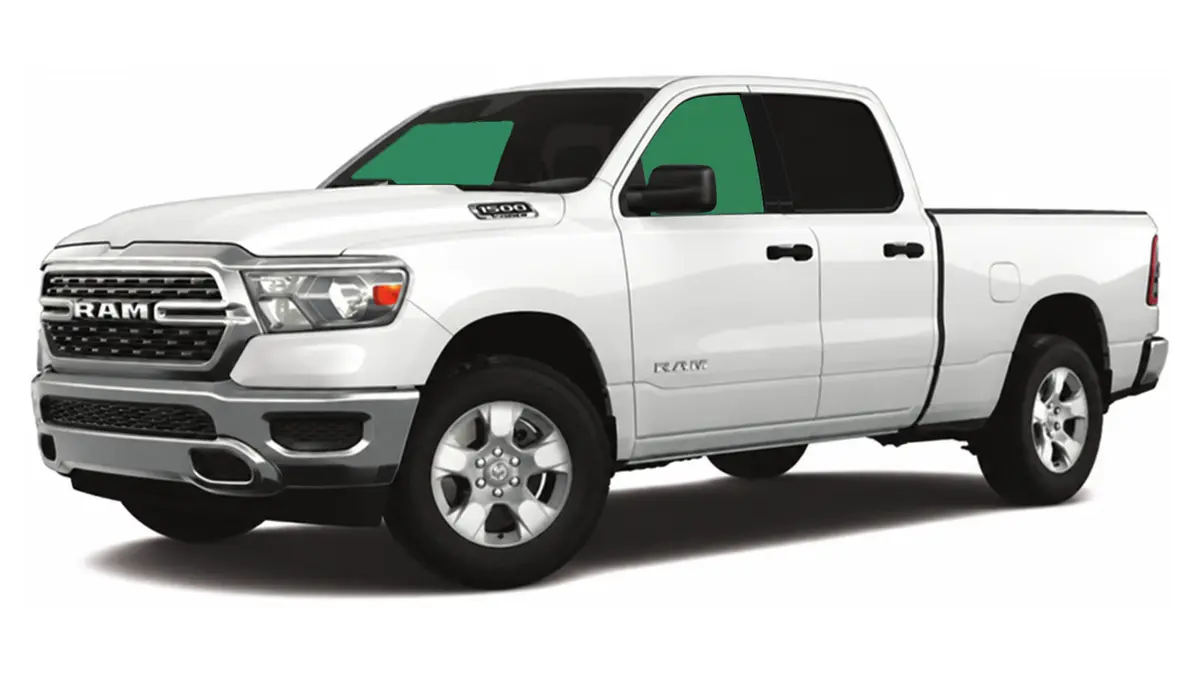
The $240 starting price covers a pickup’s rear door windows, quarter glass where the cab has it, and the back glass or slider, in LLumar ATC. Stepping up to IRX ceramic is priced per package, and fleet rates depend on the truck type and how many units you bring.
A fleet can mix truck types, so here’s how each one is priced:
| Truck in the fleet | Glass behind the driver | Price |
|---|---|---|
| Crew cab pickup | Rear door windows, back glass or slider | From $240 |
| Extended cab pickup | Smaller rear door windows, back glass or slider | From $240 |
| Regular cab pickup | Back glass or slider only | Quoted per truck |
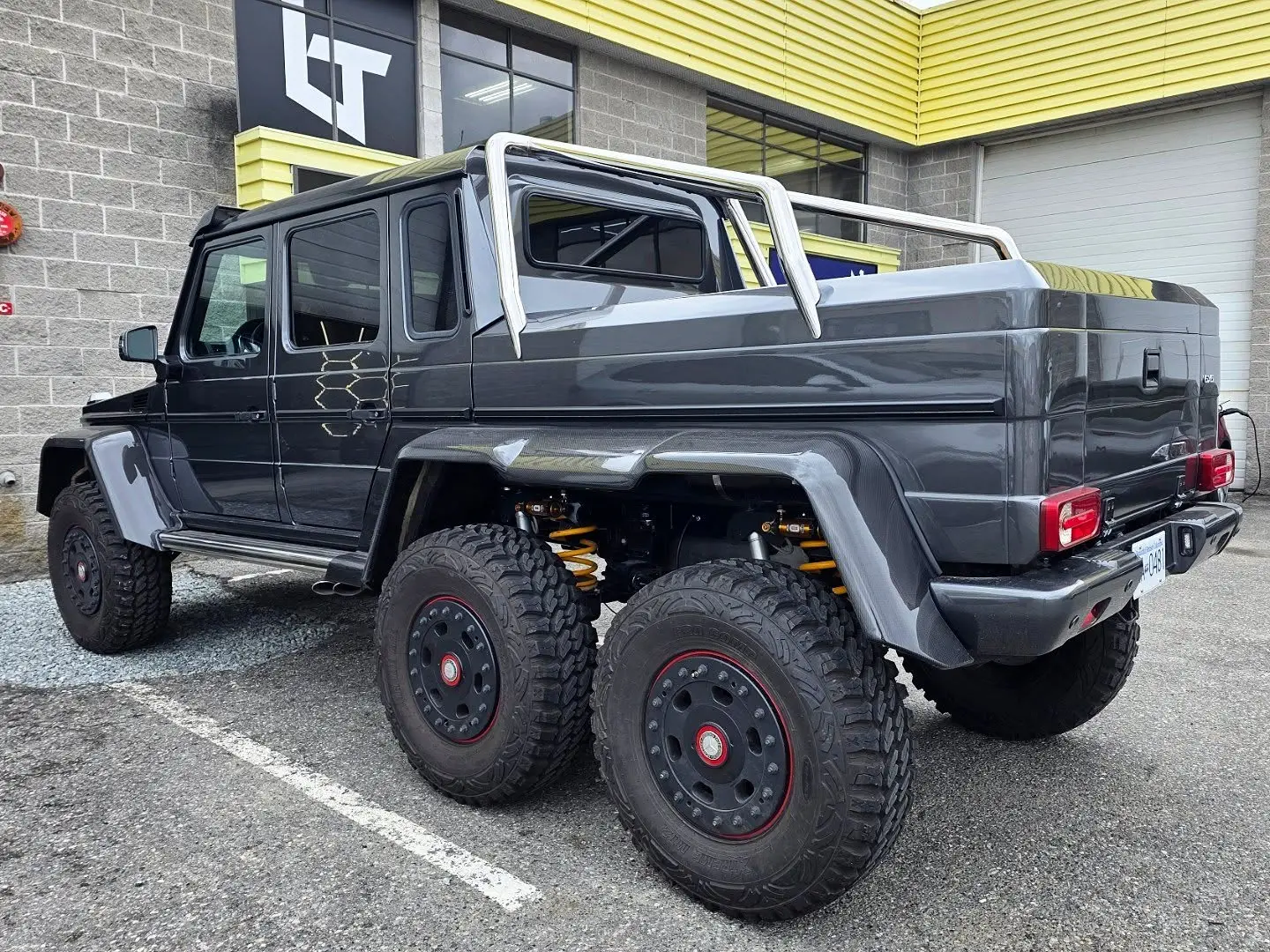
| Chassis cab with a box or service body | The cab’s back glass, where it has one | Quoted per truck |
| Cargo or passenger van | Depends on how it was ordered | Quoted per van; see van window tinting |
Each truck’s film is genuine LLumar, plotter-cut for that year, make and model, and it carries the same lifetime coverage, film and labour, as a private car. Cab-by-cab detail for a single pickup, including power sliders, is on pickup truck window tint.
Which film suits a truck that’s driven all day?
IRX ceramic, if the trucks sit in the sun on site; ATC if the goal is mainly privacy at the lowest price. The difference shows up in heat: at the same darkness, IRX rejects a much larger share of the sun’s energy.
| LLumar film at 15% | Visible light through | Total solar energy rejected | Infrared energy rejected (IRER) |
|---|---|---|---|
| ATC 15 | 18% | 40% | 22% |
| IRX 15 | 20% | 59% | 61% |
LLumar measured these for its spec sheet on a single clear pane, so a truck’s own glass will move them slightly. On UV the two are equal, each stopping more than 99% across 300 to 380 nm.
UV is where the honest answer gets specific to BC. A 2025 study of 34 vehicle models in Archives of Dermatological Research measured 99.25% UVA attenuation through windshields but 88.78% through driver’s windows. In BC the driver’s own window is glass that can’t legally take film, so the UV gain from tint goes to the crew in the back seat, not the driver.
What can a crew keep out of sight behind tinted glass?
Whatever rides in the back seat of a crew cab: tools, meters, laptops and the day’s paperwork. At 5% the rear door glass hides the cab’s contents from anyone walking past on a job site or in a lot.
If someone breaks a rear window anyway, the shop’s position is that film keeps more of the shattered glass in place; how much that helps is weighed in tint and glass in a break-in. Dark back glass hides the load just as well, but it also darkens the view through the inside mirror, and that’s the glass BC only allows film on with outside mirrors on both sides.
Which glass on a work truck can legally be tinted in BC?
Any darkness you like on the side glass behind the driver, and on the back glass or slider too, provided the truck carries outside mirrors left and right. That’s MVAR s. 7.05(8), and it applies to a work truck exactly as it does to a family car.
Front door glass can’t legally carry film at any shade, and the windshield only along its top 75 mm. The shop will still install front film when asked, after setting out the risk: Mission RCMP says a tint ticket “typically carries a fine of $109”, and a Notice & Order adds film removal and an inspection to pass. Heavier units face more: trucks licensed above 8,200 kg GVW appear on BC’s inspection list, so front film on one of them fails at its next scheduled check. Company-wide rules, fines and record-keeping are covered in the BC fleet tint guide, and the outside-mirror condition is explained in mirrors and rear-window tint.
How does booking a fleet of trucks work?
Send the list of units by type, agree a shade profile for each, and the trucks come in blocks around your schedule. The company deals with a single contact, can be billed monthly, and gets a note of the film and shade on each unit.
- Time per truck. The shop’s published timing is same day for most cars; old film coming off first adds time.
- Old film. Heated back glass is cleared with steam, never a blade, to keep the defroster grid working; removal is charged per window, with a discount if new film follows.
- Crew instructions. Keep filmed windows and sliders closed for three to five days. A slight haze or a few water bubbles during that first week is part of curing and disappears without help.
- Cleaning. Soft microfibre and an ammonia-free cleaner only; nothing that scrapes the film.
- Same visit. Company lettering can be scheduled while a truck is in; see commercial vehicle wraps.
How do you get a work truck tint quote?
For one truck, the year, make, model, cab style and preferred film are enough. For a fleet, list the units by type and flag any that already have film, then send it through the fleet tinting request or phone 604 534 6433.
The starting point is $240 per pickup for the rear glass in ATC, and the way fleet rates are built is on fleet tinting prices. All the work happens indoors at Unit 312, 20560 Langley Bypass, not on your lot, between 9:00 and 17:00 Monday through Saturday.