What does one-step paint correction remove?
Light swirls and haze, the fine marks that take the clarity out of a finish. The shop publishes its enhancement polish as removing 60 to 80% of defects in a single stage, with the gloss lift that comes from levelling the surface.
The other 20 to 40% is the honest part of the number. A fine polish takes off very little clear coat, so the marks that remain afterwards are the ones cut deepest into it. The shop points out that direct sun on dark paint exposes every swirl, so heavily marked black or dark cars are where the next level up deserves a look.
| One-step (enhancement polish) | Two-step correction | |
|---|---|---|
| Passes | One, with a fine polish | A cutting compound, then a finishing polish |
| Defect removal, as the shop publishes it | 60 to 80% | 85 to 95% |
| Time at the shop | About a day | 1 to 2 days |
| Aimed at | Light swirls, haze, dullness | Deeper swirls and wash marring, water spots, most light scratches |
The two-step side is covered on two-step paint correction.
Who is a one-step correction for?
Cars whose paint is in decent shape but has lost its clarity. Newer cars are the clearest case: the shop treats the enhancement polish as the standard preparation under a ceramic coating on newer paint.
- Before a ceramic coating. No coating package at the shop skips the polish: each starts with a decontamination wash, clay and a minimum of one machine-polishing stage, because whatever is under a coating stays there. The packages are on ceramic coating.
- Before paint protection film. The shop decontaminates paint before PPF and corrects it first when it needs it, so marks aren’t sealed under film for years.
- A new car with delivery marks. Light swirls from dealer prep or transport are the kind of mark a one-step is aimed at; new car paint prep covers that visit.
- A car going up for sale. Whether correction pays for itself before a sale is weighed in is paint correction worth it before selling.
It isn’t a fix for matte or satin wrap film either. 3M’s care bulletin rules out wax and polish on its matte, textured and other unique-finish films. Factory matte paint has its own care rules, set out on ceramic coating for matte paint.
How does a one-step correction compare with what carmakers ask for?
It follows the same rule they set for their own technicians: start with the gentlest method and step up only when it hasn’t worked. Chrysler’s collision bulletin 31-001-13 states that rule at the top of its paint procedure: always begin with the least aggressive method.
The step that bulletin reaches for once washing and clay aren’t enough is a one-step in all but name. Chrysler’s bulletin calls for a dual-action polisher with a foam finishing pad and a single cut-and-polish cream, worked a small section at a time, and only moves to a rotary buffer, and then wet sanding, if that fails. Even then the rotary is for trained technicians only, since Chrysler says a misused one can leave damage that only refinishing the panel will repair.
General Motors’ preliminary information PIT5763, written for new Tahoes and Yukons with residue from storage lots, does the same: a finesse polish on a foam pad first, then an inspection under high-intensity fluorescent light before anything heavier. One pass, a proper look, and a decision is the shape of a one-step.
What happens during a one-step correction?
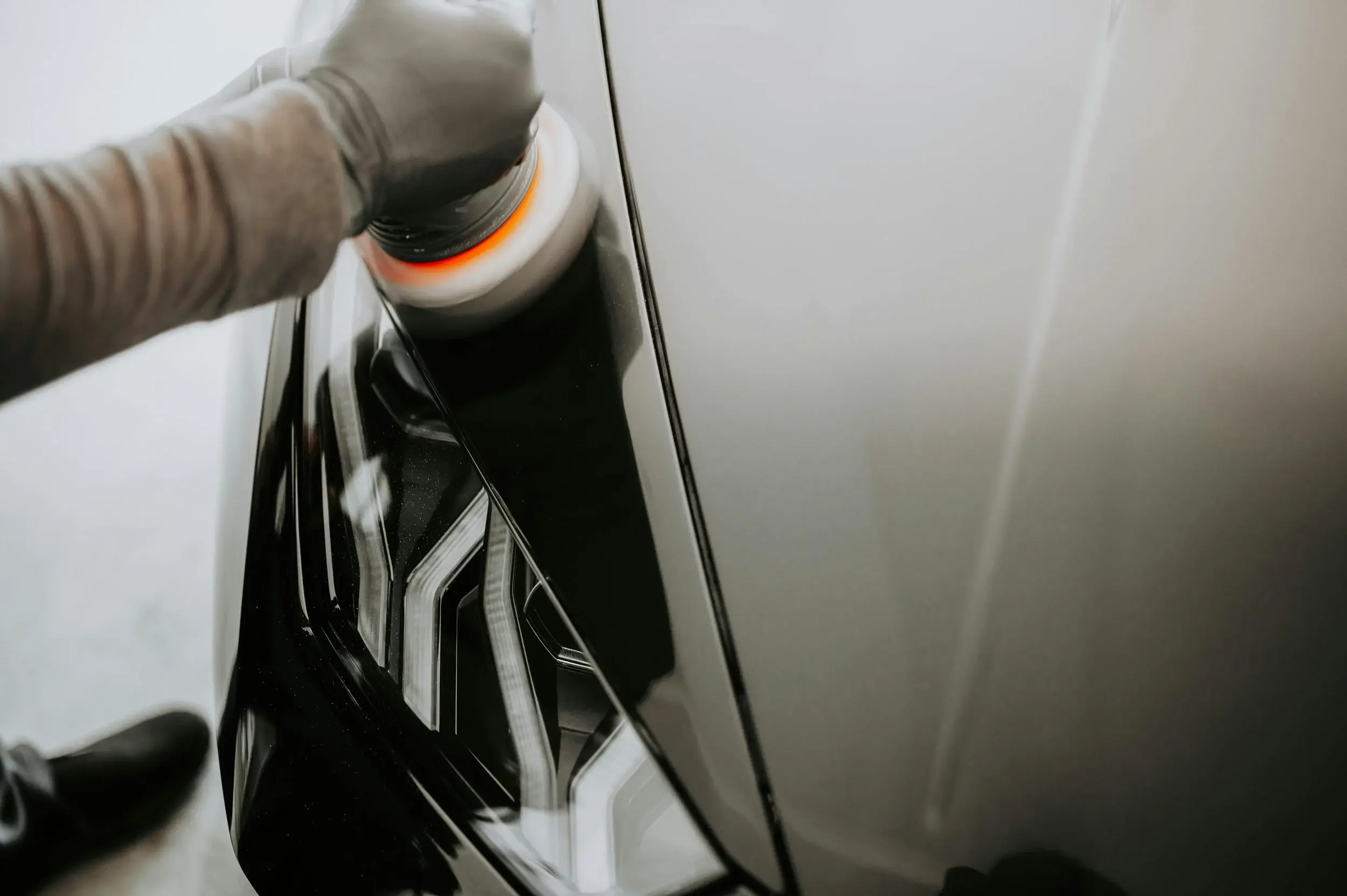
A day of preparation, measurement and one careful polishing pass, panel by panel. The polishing itself is only part of the time.
- Wash and decontaminate. Grit and bonded contamination need to come off first, so the polisher isn’t rubbing them into the paint.
- Measure the paint. The shop reads paint thickness before polishing, so it knows how much margin each panel has.
- Polish once. A fine polish on a machine, a section at a time. 3M’s Perfect-It chart pitches its ultrafine step at eliminating fine swirls, dark colours included, and says to leave a wet film rather than buff dry.
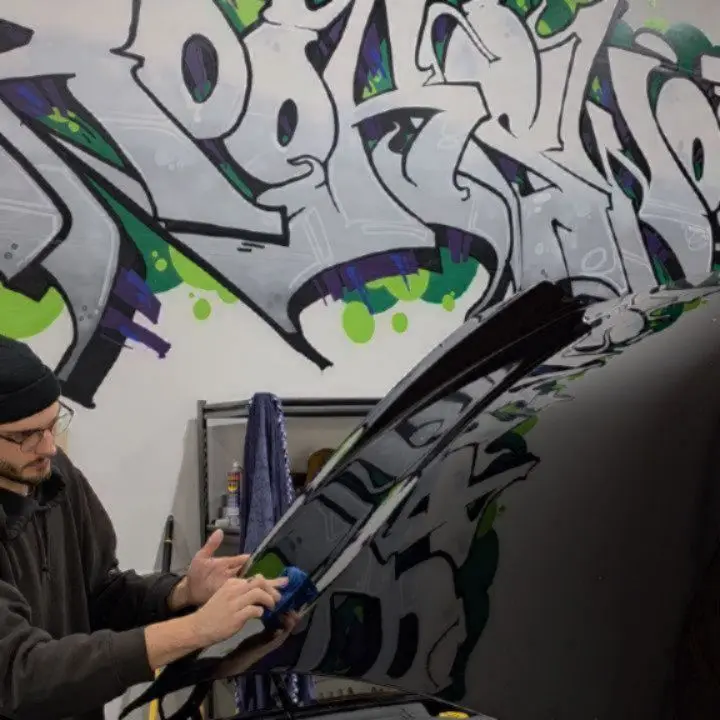
- Inspect. The shop works panel by panel under inspection lighting, much as the GM bulletin directs, and a mark deeper than a one-step can reach is pointed out to you rather than chased.
What the thickness reading means, and how much clear coat a correction uses, is set out in how much clear coat a correction takes off.
How do you keep a one-step result looking good?
Protect it, then wash it properly. Corrected paint is bare paint, and the next round of swirls comes from the same washing habits that caused the first.
With a graphene-ceramic coating on top, the wash wears the coating rather than the clear coat underneath. Paint protection film covers the panels that take stones. With or without either, the shop traces most swirls to washing, through dirty mitts, brush washes and gritty towels, so a gentle hand wash with a clean mitt and plenty of water does the most to keep new ones out; how to prevent swirl marks has the routine.
How do you book a one-step correction in Langley?
To book, send the year, make, model and colour by text to 604 534 6433 or via the correction quote form; a direct-sunlight photo of the paint helps. Mention any repaints or earlier polishing. Correction is priced after inspection, and paint correction cost explains what moves the number.
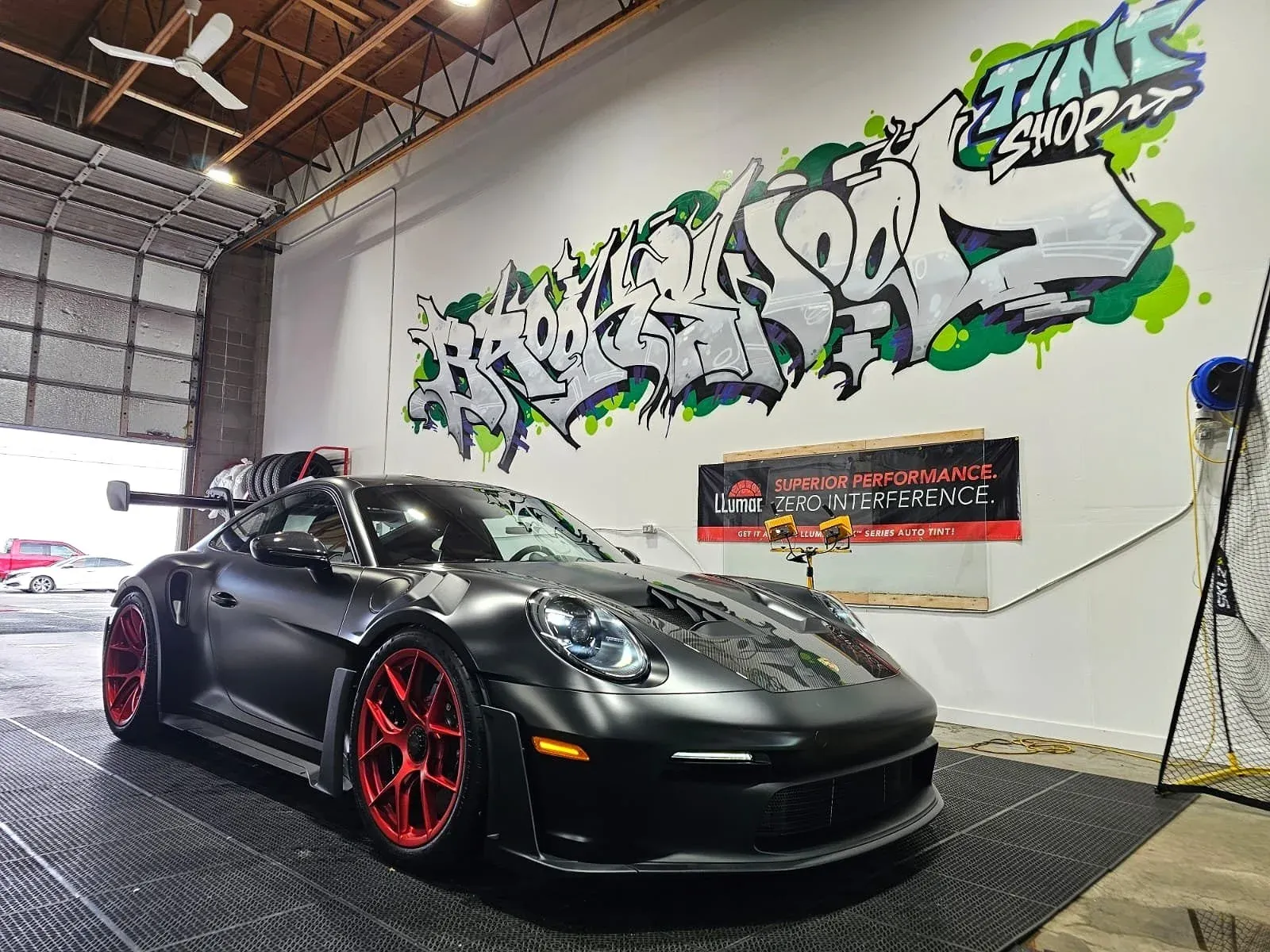
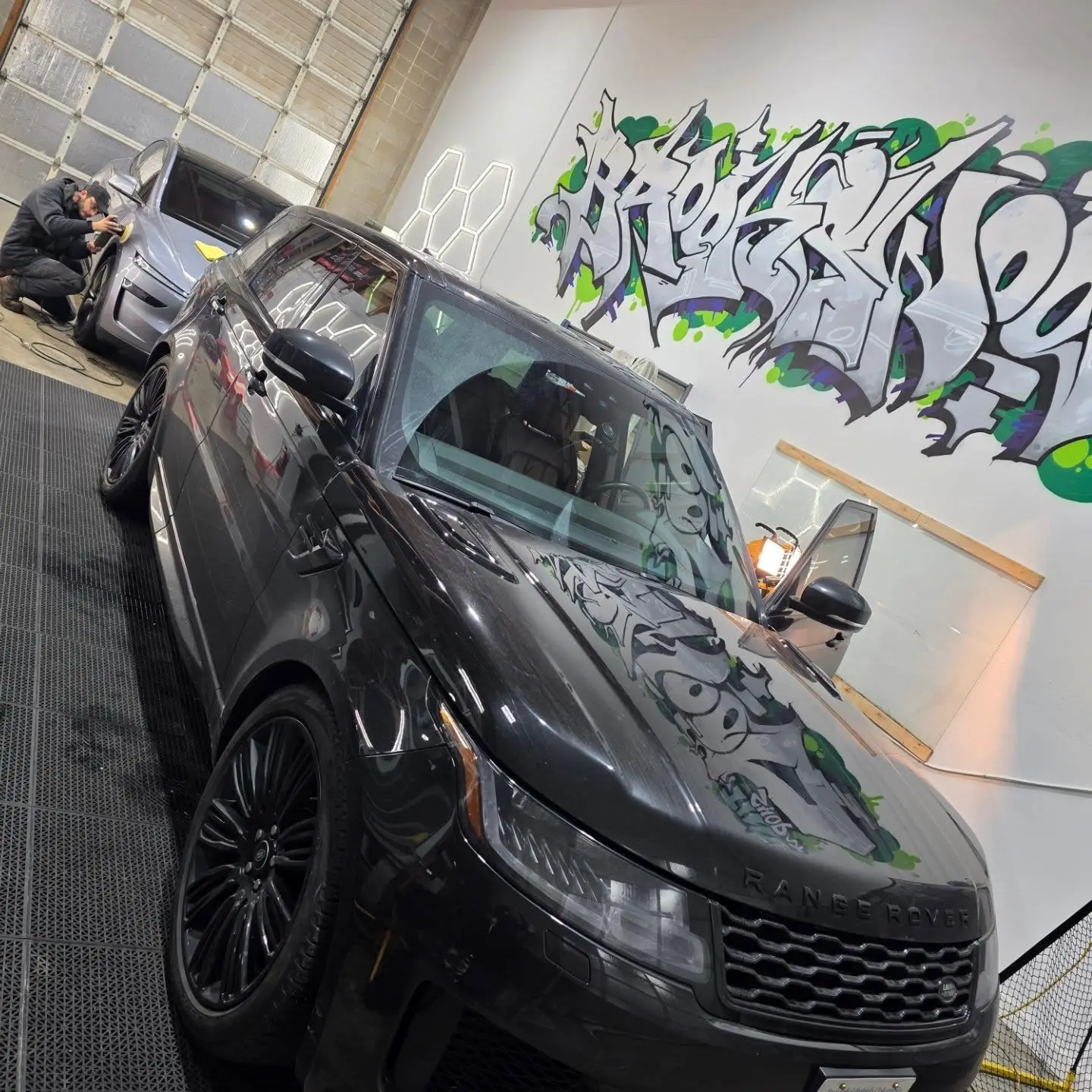
Plan on about a day for the enhancement polish itself, and add the coating or PPF days if you’re protecting the paint straight after. Book a slot at the Langley Bypass shop, 20560, Unit 312, on a weekday or a Saturday; drop-offs run from 9:00 and pickups until 17:00.