What does PPF cost on a Polestar 2?
In self-healing LLumar Platinum, a Polestar 2 costs $850 or more for Partial Front, $1,550 or more for Full Front, from $1,900 with the Track Package and from $4,000 covered end to end. Correction work or a fiddly bumper is what moves a quote above those floors.
| Package | From | What it covers on a Polestar 2 |
|---|---|---|
| Partial Front | $850 | Whole front bumper, the leading part of the hood and front fenders, headlights, door mirrors |
| Full Front | $1,550 | Complete hood and front fenders, plus bumper, headlights and mirrors |
| Track Package | $1,900 | Full Front, then the A-pillars, the rocker panels and a strip of roof |
| Full Vehicle | $4,000 | All painted surfaces and the headlights |
LLumar puts a 10-year manufacturer’s limited warranty on Platinum, and the faults Brookswood Tint’s published terms cover are yellowing, cracking, bubbling and peeling. Software templates set every cut, and edges fold around the panel where there’s room to do it. Expect the Polestar to be with the shop for a day on Partial Front, a day or two on the Full Front and Track packages, and three to five days when every panel is covered.
One Polestar detail changes the Track Package: Polestar Canada’s tech specs put a full-length fixed glass roof in the Plus pack, which leaves little painted roof to cover on those cars.
Where does a Polestar 2 take stone chips?
At the front first, then along the edges. Polestar’s paintwork page lists the most common paint damage as “minor stone chips, scratches and damage to e.g. the edges of fenders, doors and bumpers”, and adds that damage “should be rectified immediately”.
Film is the step that keeps chips from starting. The two front packages put the bumper, hood, front fenders, headlights and mirrors under film; the door edges only come under it with Full Vehicle. Speed matters too. In its explainer on winter abrasives, TranBC says the impact energy of a stone “will almost double” as speed climbs from 80 to 110 km/h. Whether PPF stops rock chips sets out what film does and doesn’t do.
How is film fitted around the Polestar 2’s radar and sensors?
It stops short of them. The manual’s radar and parking sensor page says to use only Polestar’s original protective cover in front of the front radar, and not to “repaint or apply foil finish” to it “as this can disrupt its function”. It also rules out fixing “objects, tape or decals” on the sensor surfaces.
So the radar cover stays bare, and the film is trimmed around it and around each Park Assist sensor. Polestar Canada counts 12 sensors spread over the front, rear and sides. A bumper’s tight curves occasionally call for a relief cut; if yours does, the installer points out the spot first. Mention any driver-assist warning that’s already on before the appointment.
Gloss or matte Platinum on a Polestar 2?
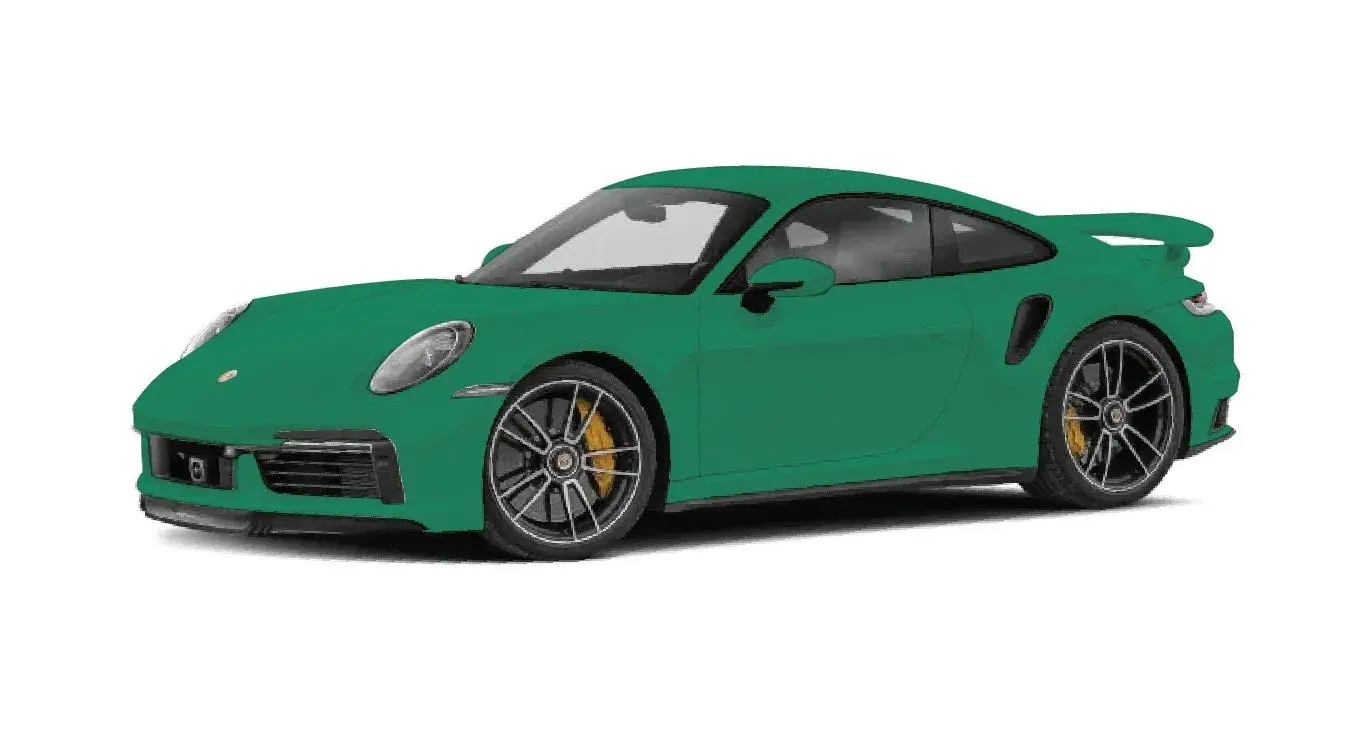
Gloss keeps the paint looking as it left the factory; matte Platinum turns gloss paint satin. Polestar Canada offers five colours on its Polestar 2 page: Snow, Vapour, Midnight, Storm and Space, with swatches showing Snow as white, Midnight as dark blue, Storm as grey and Space as black.
A satin Space or Midnight car looks very different from the brochure, so settle on the finish before anything is cut. With matte film on a front package only, the covered nose turns satin while the doors and rear stay gloss, so an all-satin car means Full Vehicle.
What’s the next step for Polestar 2 PPF?
Send the year, colour and package you’re leaning towards. Before any film, the paint is decontaminated, and corrected if it needs it, and that’s the point where the starting price turns into a firm quote.
Hold off washing for a week. After that, wash it by hand or in a touchless bay, and keep it out of brush washes. Polestar’s high-pressure washing advice asks for 30 cm or more of distance and a sweeping motion, and on film the spray should stay off the edges too. Request a price on the Polestar 2 PPF quote form. Whether PPF affects a car’s warranty is worth reading first, and the glass is covered on Polestar 2 window tint.