Can you put paint protection film on a pickup truck?
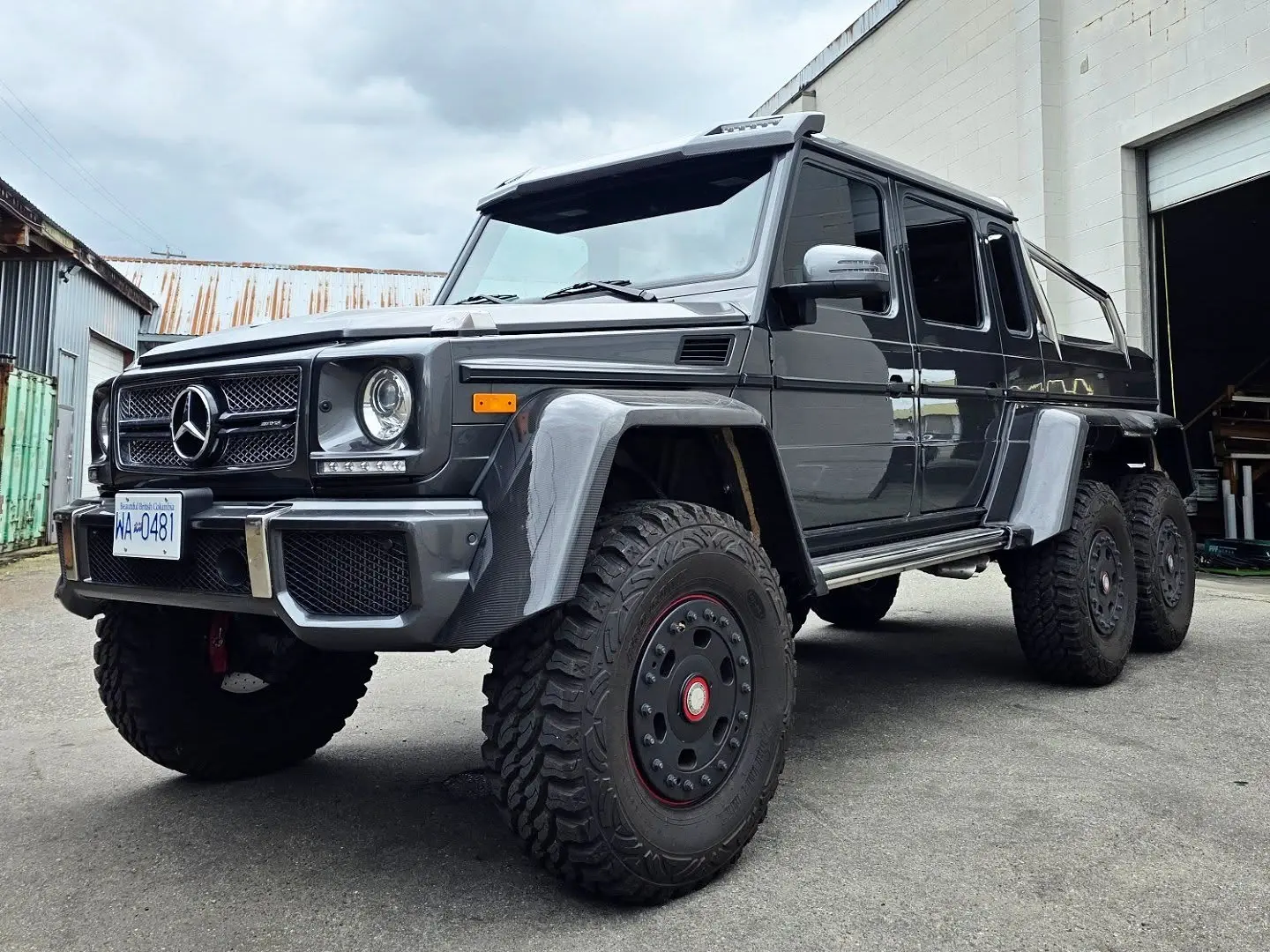
Yes. A pickup gets the same self-healing LLumar Platinum film as any car, cut from a software template for its year, make, model and cab, then fitted by hand with the edges wrapped wherever a panel allows. The shop’s four packages apply to trucks too; what changes is the amount of truck inside each one.
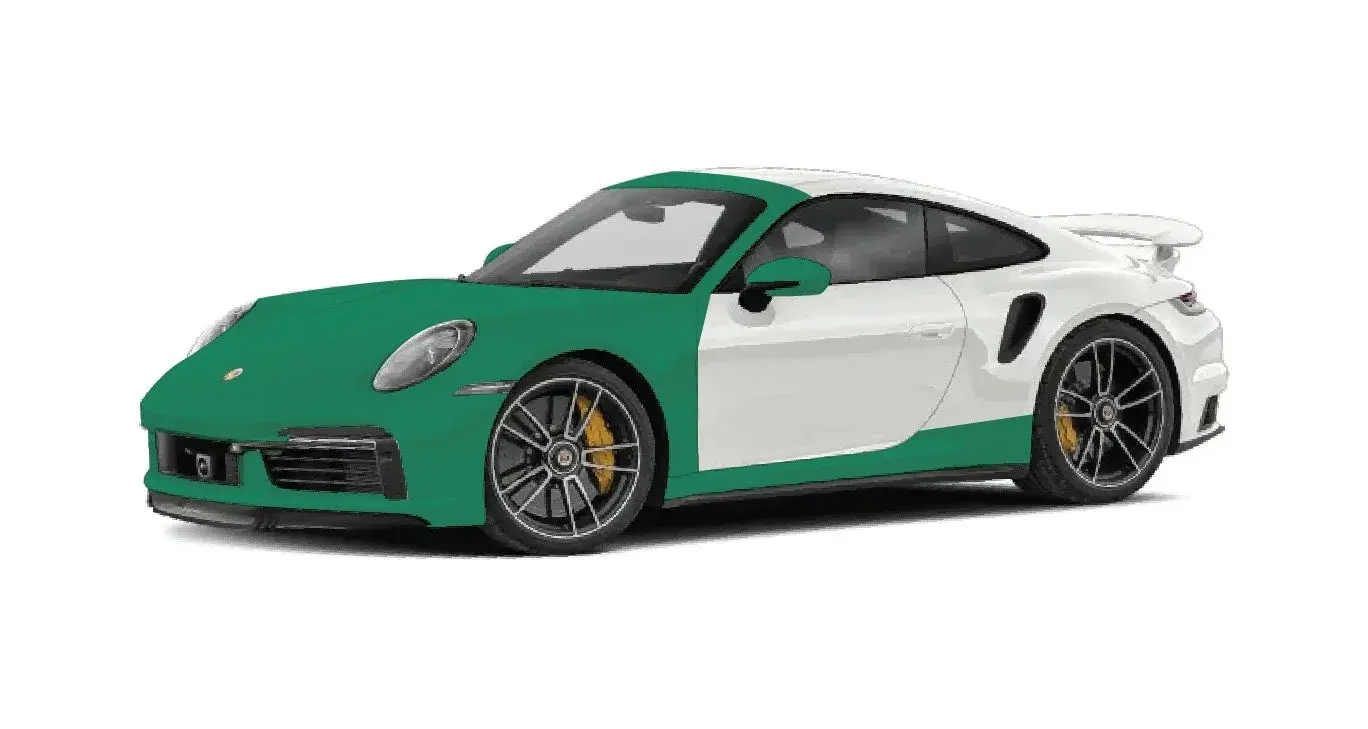
| Package | From (before tax) | What it covers | On a pickup |
|---|---|---|---|
| Partial Front | $850 | Full bumper, partial hood, partial fenders, headlights, side mirrors | The leading section of the hood and front fenders |
| Full Front | $1,550 | Full hood, full fenders, full bumper, headlights, side mirrors | The entire hood and both front fenders |
| Track Package | $1,900 | Full front plus partial roof, A-pillars, rocker panels | Adds the windshield pillars, the roof’s front section and the rockers under the cab |
| Full Vehicle | $4,000 | All painted surfaces, headlights | Cab doors, box sides and tailgate included |
Read those figures as where a truck quote begins. The starting prices hold for any vehicle, but a half-ton or heavy-duty pickup carries a lot more hood, fender and sill than a sedan, and every extra square foot is film and fitting time. That’s why a full-size truck is priced from the truck in front of the installer, not from the package list alone.
Where does a pickup take the most stone hits?
Mostly on its front edges, along the sills under the cab and on the lower body around the wheels. LLumar’s PPF FAQ names the front bumper, hood and rocker panels as the areas that “receive the most punishment”, and on a pickup each of those is a big panel.
Bumper, grille surround and the front of the hood
These face the grit coming off the vehicle ahead. Many pickups have a tall, nearly upright front end, so a wide band of painted bumper, grille surround and hood edge meets that spray square on. Every package starts here, and the rock chip page explains what film can and can’t stop.
Mirrors, and towing mirrors most of all
Side mirrors come in all four packages, and towing mirrors are large housings held well out from the cab. Ford’s 2020 F-150 specification sheet gives the truck’s width as 79.9 inches without mirrors, 96.8 inches with the standard ones and 105.9 inches with trailer tow mirrors. That puts each tow mirror about 13 inches outside the body, so say so when you ask for a price.
Rocker panels under the cab
The rockers run along the bottom of the cab between the wheels, low down where grit from the front tires sprays along them. They’re the first thing the Track Package adds to full front, together with the A-pillars and the front edge of the roof.
The lower body behind each wheel
Every tire throws grit backward as it rolls. Ford sells rear splash guards for the F-150 and describes them as protection “against mud, stones, and debris kicked up on the road”. Flaps catch part of that spray, but the painted box sides around the rear wheel openings are still in its path, and only Full Vehicle puts film on them.
Which PPF package suits the way you use your truck?
Match the package to your roads. Paved highway driving is mostly a front-end problem, gravel adds the sills and pillars, and a truck you plan to keep for a decade is the case for covering the box and tailgate as well.
| How the truck is used | Package to start from | Why it fits |
|---|---|---|
| Daily Highway 1 commuting | Full Front, from $1,550 | The whole hood and both fenders face traffic spray at speed |
| Gravel, unpaved and back roads | Track Package, from $1,900 | Adds the rocker panels, A-pillars and front of the roof |
| Kept long term, or new and staying that way | Full Vehicle, from $4,000 | Doors, box sides, tailgate and roof under film |
| Mostly town driving on a budget | Partial Front, from $850 | The surfaces hit first, at the lowest price |
The stones also get bigger off the main routes. TranBC, the province’s transportation ministry blog, reports winter abrasive limits of 9.5 mm on main provincial highways and 12.5 mm on less-travelled paved highways, so a truck that splits its week between the freeway and rural roads sees both sizes.
For trucks that live on gravel, LLumar sells a heavier film. Its Platinum Extra page describes it as LLumar’s thickest PPF, aimed at gravel roads, track racing and harsh weather, though no thickness figure is given. It isn’t part of the published packages, so bring it up with your quote.
Does an aluminum truck body change anything for PPF?
The film goes on exactly the same way; what’s worth doing is a look at the hood before you book. Ford’s 2020 F-150 sheet lists a “high strength steel frame, aluminum cabin and bed”, and Stellantis has a repair bulletin for aluminum panels on several of its trucks.
That collision service bulletin, 31-001-25 Rev. B, dated August 16, 2025, deals with aluminum panels showing “corrosion or bubbling along the leading edge of hood, hinges or other exterior surface areas”. Its vehicle list includes the 2013–2025 DS-body Ram 1500, the 2019–2026 Ram 2500 and 3500 pickups and the 2020–2025 Jeep Gladiator. It gives the cause only as “corrosion conditions” and says nothing about film.
For PPF, the practical point is that clear film seals in whatever is under it. If you drive one of those trucks, run your eye along the front edge of the hood before the appointment. Bubbling there is a conversation for your dealer first, and the installer should see it before anything covers it.
How long is a truck in the shop for PPF?
Plan on one day for a partial front, one to two days for Full Front or the Track Package and three to five days for Full Vehicle. Paint correction, when the truck needs it, adds to that.
The panels are washed and decontaminated before any film goes on. Any paint correction starts with a paint thickness reading, and swirls and light scratches are dealt with first rather than locked under the film.
Afterwards, the shop asks you to leave the first wash for a week. Then hand wash or use a touchless bay, and stay out of brush washes. After a muddy run, rinse the rockers and wheel arches with the wand held well back from the film’s lower edge.
How do you get a PPF quote for your truck?
Send the year, make, model, cab, box length and trim through the PPF quote request, or text them to 604 534 6433, with the package and gloss or matte. Mention towing mirrors and anything fitted since the truck left the factory, like a different bumper or fender flares, so the quote matches the truck that arrives.
Expect the package price as the floor, a figure for your truck on top of it, and one to five days at Unit 312, 20560 Langley Bypass, depending on the package. Every package and what moves a quote is on the PPF price page, and tint is priced separately on the pickup truck window tint page.