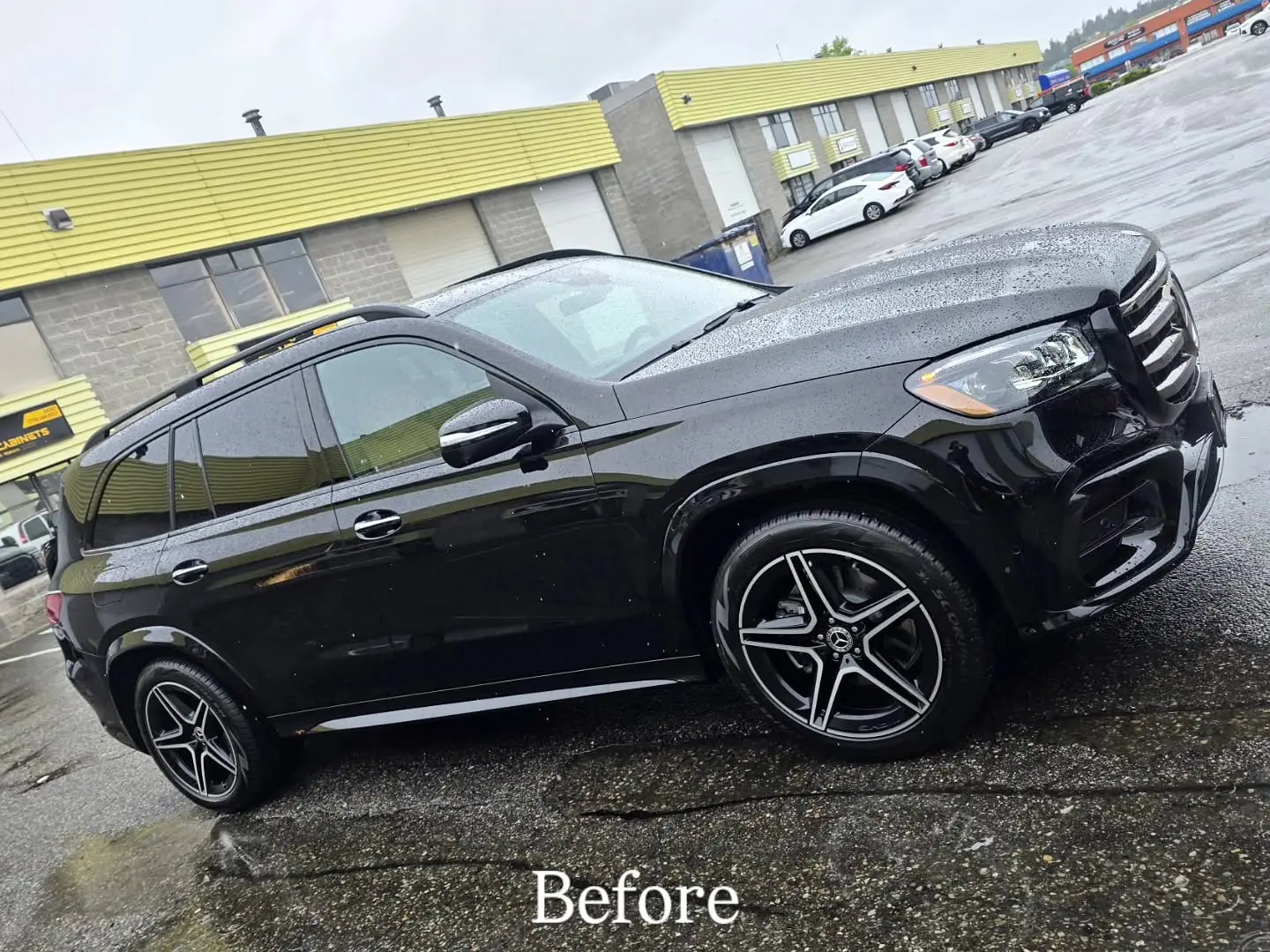
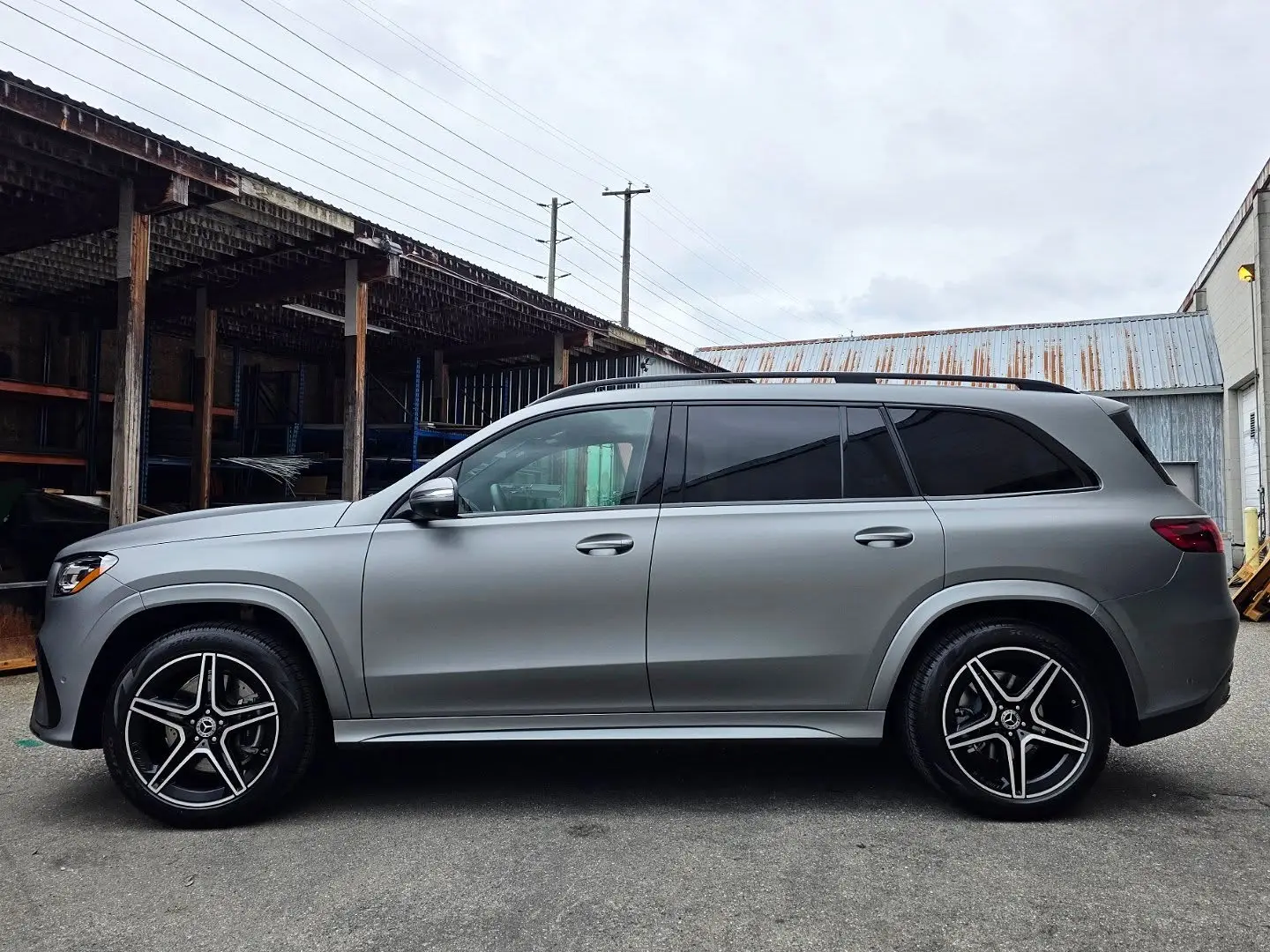
When should a car wrap come off?
Before the film fails, or whenever the car’s next step needs bare paint. Four situations call for it.
- Returning or selling the car. If it has to go back in its original colour, removal is the last job before handover.
- A new wrap or a new colour. Avery Dennison’s SW900 data sheet lists film applied to pre-existing graphics as an unsuitable use without its pre-approval, and 3M’s colour change instructions ask for a new pre-installation inspection between one graphic installation and the next. The old film comes off first.
- Film that’s ageing. Avery makes no warranty for paint staining that may show after removing film that has cracked or discoloured, and wants to hear from owners as soon as the film’s surface starts to change. It’s better not to wait until a wrap is visibly failing.
- The end of the film’s rating. 3M treats 2080 as removable, with heat or chemical help, through the life of its warranty. For Canada, which 3M puts in Zone 2, the warranty card sets that at seven years on the sides and two on the hood and roof.
What does a wrap removal at the shop involve?
An inspection, a heated peel panel by panel, and an adhesive clean-up. The film sets the pace, because the aim is to take it off without taking anything else with it.
- Look first. The film’s age, cracks, lifted edges and any repainted panels are noted before heat goes on, because they decide how each panel is approached.
- Warm and lift. 3M’s removal bulletin explains that heat softens the adhesive and lowers the force needed to peel the film. It adds that how steeply and how fast the film is pulled changes the amount of adhesive left behind, and recommends experimenting with both until the result is clean.
- Work in strips where needed. For heat-aided removal, 3M suggests scoring a large graphic into strips about 30 to 38 cm wide, taking care not to damage the surface underneath.
- Clear the residue. 3M’s 2080 maintenance FAQ notes that some adhesive may stay on the car and can be cleaned off with a citrus-based cleaner. The bulletin places films labelled removable “with heat and/or chemicals”, the wording 3M uses for 2080, in a group that may leave more than 30% adhesive residue, so clean-up is part of every job.
- Wash and check. The car is washed and the paint looked over in good light.
How heat, sun and cold change removal in general is explained on can a car wrap be removed.
What decides how long a removal takes?
The film’s history more than the car’s size. These are the questions that shape a removal quote, and why each one matters:
| Question | Why it matters |
|---|---|
| How old is the wrap? | Aged film gets brittle and grips the paint harder, per 3M |
| Was any of it printed or laminated? | 3M’s removability statement for 2080 applies only when the film hasn’t been printed and has no overlaminate |
| Has it sat outside a lot? | Years of UV and heat leave film brittle and prone to tearing, and 3M describes that removal as very slow work |
| Is any of it cracked or cut? | Film tears along damage and comes off in small pieces |
| How old is the paint? | Avery’s warranty doesn’t extend to removal from car paint over 5 years old |
| Was any panel resprayed? | Paint that’s poorly bonded can lift with the film; Avery doesn’t warrant removal from it |
On an older wrap, expect the hood and roof to need the most care: the shop’s view is that they see more sun and salt and age faster, and both film makers rate them for the shortest time. Whether the removal can harm the paint is covered on does a vinyl wrap damage paint.
What about stripes, lettering and window graphics?
Small graphics come off the same way as a wrap, but two kinds need extra care. Thin stripes and old lettering can be brittle, and graphics on glass have rules of their own.
For stripes, small letters and graphic edges, 3M’s bulletin describes removal wheels such as its Stripe Off Wheel, but it also warns that most mechanical removal methods damage the surface and that substrate damage from mechanical removal isn’t covered by any 3M warranty. On glass, 3M says not to use heat sources or chemicals to remove decorative films, and soaks them with a detergent and water solution under plastic sheeting instead.
Window tint is a different product and a different job. The shop takes old tint off with steam rather than blades so the rear defroster grid survives; that’s tint removal, booked and priced separately.
What will the paint look like after removal?
On sound factory paint, the colour it was when the wrap went on. 3M’s position is that 2080 handled by its instructions from application to removal, and taken off inside its warranty period, should leave an OEM finish undamaged.
Two things can still show. Where a partial wrap or lettering sat beside uncovered paint, a faint outline can remain, and 3M notes that aggressive heat sources may emphasize any shadow where a graphic was applied; adhesive ghosting explains it. And if the uncovered paint has dulled or picked up marks over the years, a one-step paint correction after removal is the lightest way to bring the gloss back, priced after the paint is measured.
How do you book wrap removal in Langley?
Text 604 534 6433 or use the removal quote form; include the year, make and model, the wrap’s age, the film brand and colour code if known, and photos of anything cracked, faded or lifting. Removal is quoted per vehicle once the shop has seen the film.
The shop’s door is at Unit 312, 20560 Langley Bypass; come by from 9:00 to 17:00, Sundays excepted. Returning the car to its factory colour is worth a call to your broker: ICBC’s Autoplan page lists changing a vehicle’s colour among the modifications to raise, and warns you may not be covered if your policy details aren’t current. If a new colour is next, the colour change wrap can be booked straight after.