What’s the price to tint a Honda CR-V?
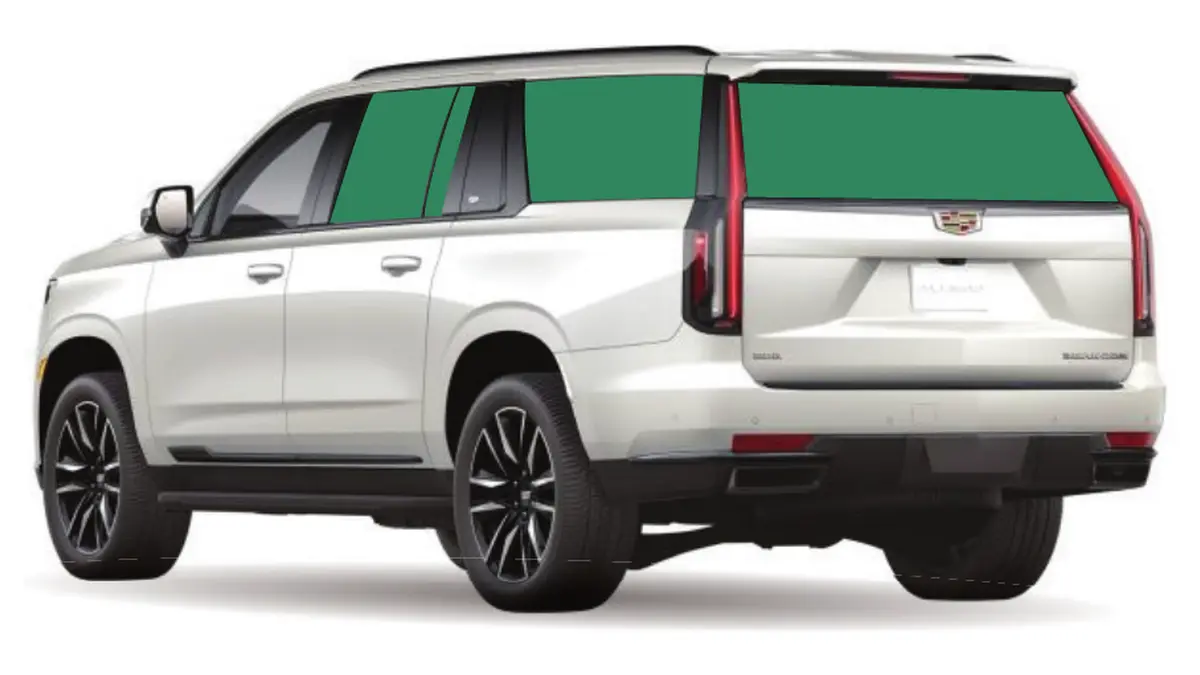
From $260 for the CR-V’s rear glass in LLumar ATC, under the shop’s SUV rear package. Ceramic film on those panes costs more and is priced per package; roof film is separate again.
| What gets tinted | Panes | From |
|---|---|---|
| Rear doors, quarter windows, tailgate glass | 5 | $260 |
| Those five in IRX or AIR ceramic | 5 | Priced per package |
| Moonroof | 1 | Priced per vehicle |
| Front doors | 2 | $140, not road-legal in BC |
| Full windshield, from the inside | 1 | $200, not road-legal in BC |
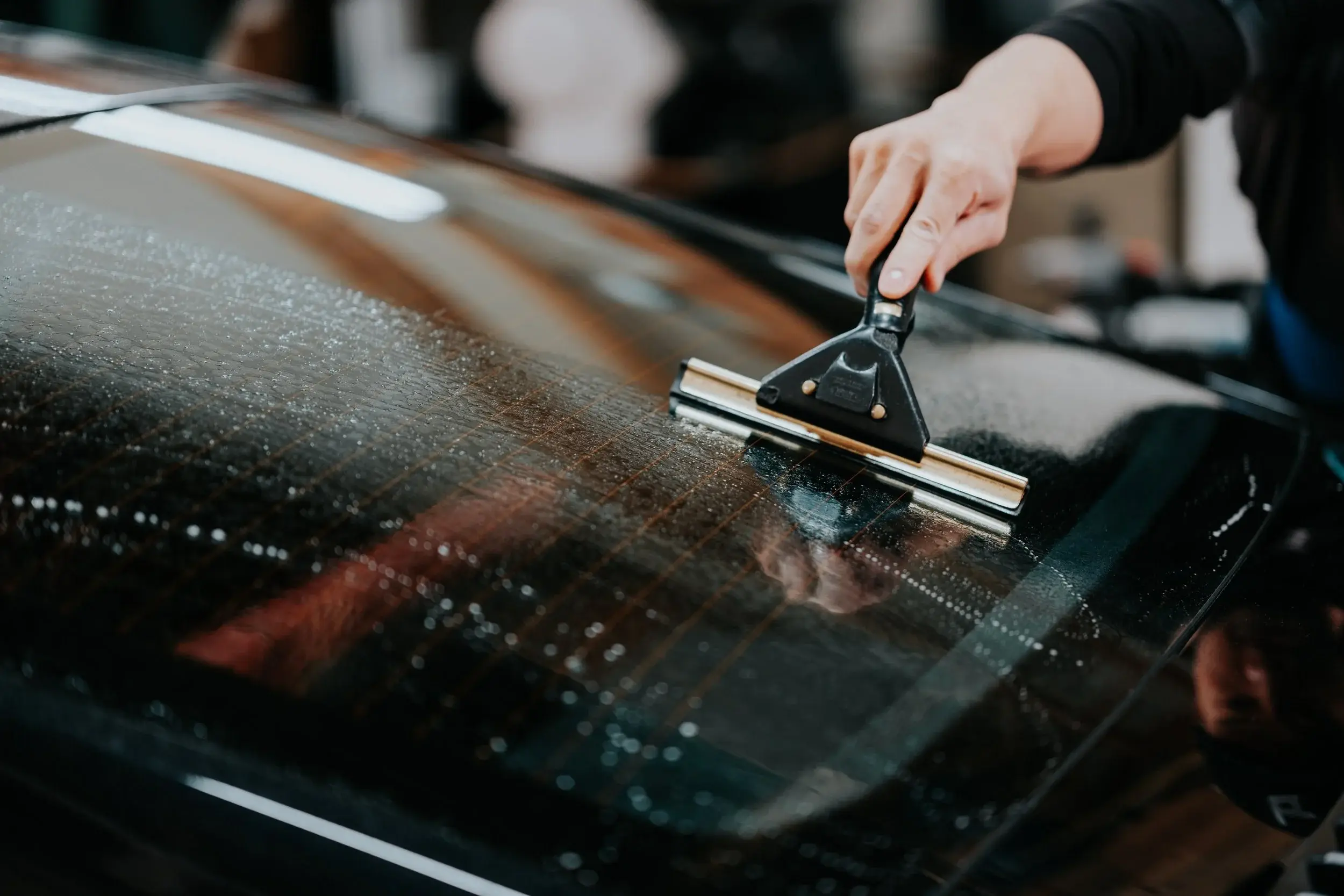
The plotter cuts each pane from the CR-V pattern for your model year, and heat shapes the film to the curve before it’s squeezed into place. Film and workmanship are both covered for life. If you’re adding ceramic or the roof, a quote for everything together usually beats the line items added up. All packages appear on the window tint price page.
What’s different about the glass on a sixth-generation CR-V?
The layout is simple; the tailgate is the pane with extras. Honda’s US feature guide lists a rear window wiper and washer and a rear-window defroster as standard from the base trim up, so film on that window sits over the heater lines.
That’s harmless on day one and matters years later. Old film on a heated pane needs steaming off, because a razor would cut the lines; tint over rear defroster lines explains the care involved.
Honda’s feature guide doesn’t say trim by trim whether the rear panes are privacy glass, so compare yours with the front doors in daylight. Where the back glass is already dark, the film’s darkness compounds with it: a 20% film over a 20% pane ends up near 4%. Film versus factory privacy glass helps you pick a shade for that situation.
Should the CR-V moonroof get film?
It’s worth asking about if the CR-V sits outside in summer. Honda describes a one-touch power moonroof with tilt and a sunshade you slide by hand, which only helps when it’s pulled shut; film keeps working with the shade open.
Which trims have one depends on the market. Honda’s US guide fits the moonroof from the EX up. Canadian trim names are different, and Honda Canada’s 2026 release confirms a moonroof as standard on the TrailSport Hybrid, so mention your trim and whether the roof glass is there. Roof film has its own price; the sunroof tint page explains how it’s worked out.
Where does Honda Sensing look through the windshield?
Through a camera fixed to the glass. Honda’s 2026 CR-V guide says the Lane Keeping Assist System “uses a windshield-mounted camera to look for lane markers”, and Honda Sensing is standard on every trim. On the US top trim, the Sport Touring Hybrid, rain-sensing wipers read the glass too.
BC law caps windshield film at a 75 mm strip measured from the top, and inside that strip the camera still needs a clear view. Read windshield film and driver-assist cameras before asking for a strip.
Can a CR-V have tinted front windows in BC?
No, not legally. Under MVAR s. 7.05(8), BC accepts film only behind the driver’s seat, in the uppermost 75 mm of windshield glass, and across the back glass of any CR-V, since every one has two outside mirrors. A CR-V’s front door windows sit beside the driver, so they fall outside it whatever the shade, even with near-clear film, and they fail an inspection.
When a customer insists, the shop will fit front-door film, but only after talking through the ticket and the possibility of an order to remove it. Front side window tint in BC has the full picture.
How do you book CR-V tint at Brookswood?
Give the model year and trim; for 2026 Honda Canada sells the LX, the Sport, and four hybrids, from the Sport Hybrid and TrailSport Hybrid up to the EX-L Hybrid and Touring Hybrid, all built in Alliston, Ontario. Say which film you’d like and whether there’s a moonroof to do. Most CR-Vs go home the day they come in, with the windows left up for three to five days. The CR-V tint quote form is the quickest way to a price; paint protection for the same SUV is covered on Honda CR-V PPF.