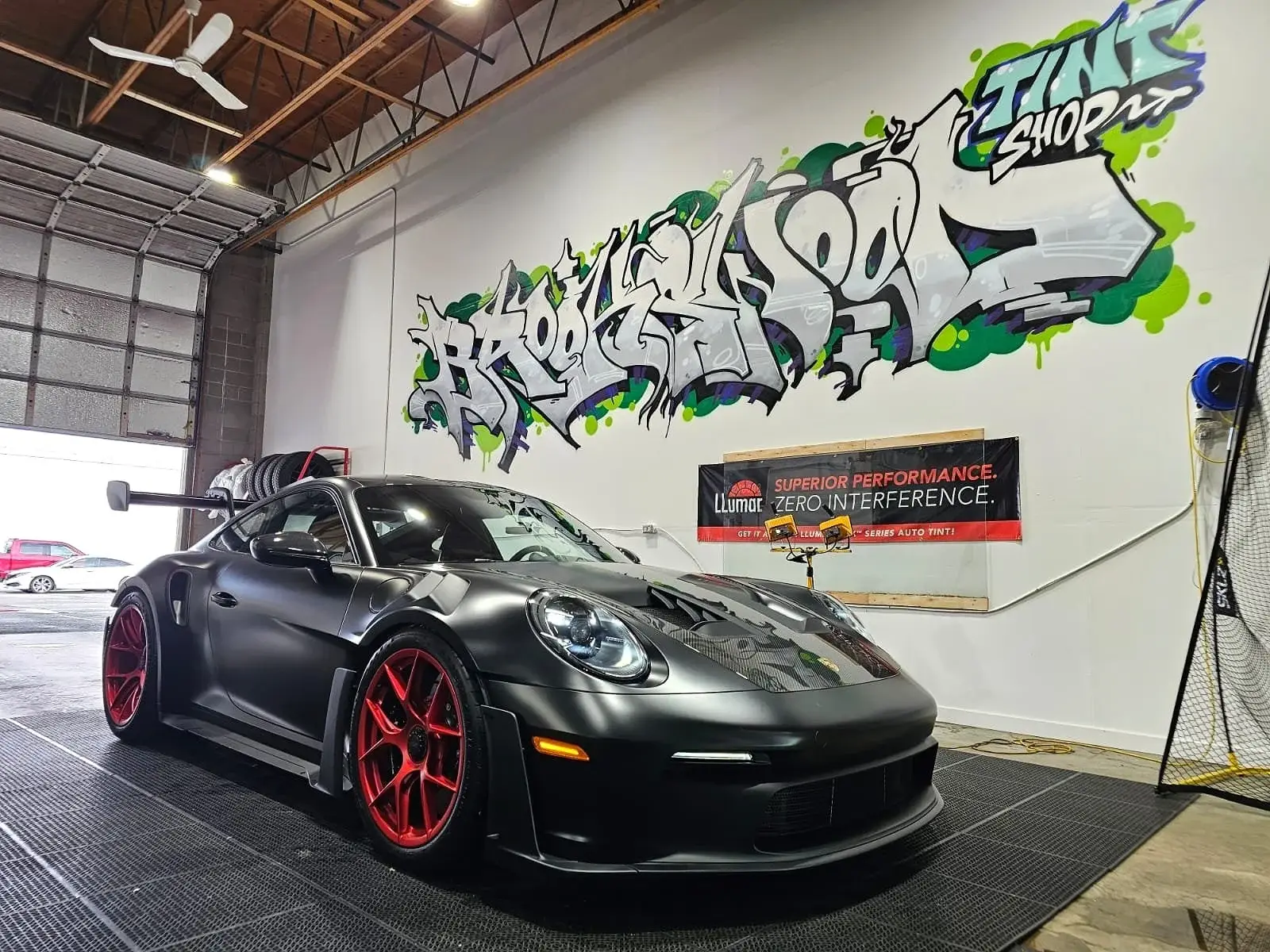
Where does PPF pay for itself on BC roads?
On the surfaces that meet the road head-on: the bumper, the front of the hood, the fenders, the mirrors and the headlights. BC’s winter traction sand is small crushed rock, and the faster you drive into it, the harder each piece lands.
The province is specific about that grit. TranBC, the transportation ministry’s own blog, says winter abrasive on main provincial highways can’t exceed 9.5 mm across, with most of it between 2.36 and 4.35 mm, and that less-travelled paved highways get a coarser mix of up to 12.5 mm. The same post makes the point that matters for paint: by TranBC’s numbers, a stone met at 110 km/h lands with close to twice the energy it would carry at 80. TranBC compares the 9.5 mm limit to a Cheerio, yet still lists chipped windshields and dinged paint among the costs of spreading it.
| What’s on the road | The figure | Source |
|---|---|---|
| Largest winter abrasive allowed, main provincial highways | 9.5 mm | TranBC |
| Where most of that mix falls | 2.36 to 4.35 mm | TranBC |
| Largest abrasive, less-travelled paved highways | 12.5 mm | TranBC |
| Impact energy, 80 km/h versus 110 km/h | Nearly twice as much at 110 | TranBC |
| City of Langley in a snow event | Priority routes brined before snow; salt while it falls, a salt-sand mix on steep grades | City of Langley |
Your own commute shapes the rest. The province lists two stretches of Highway 1 east of Langley as under construction, 216th Street to 264th Street and 264th Street to Mt. Lehman Road, with Mt. Lehman to Highway 11 in design (Fraser Valley Highway 1 program). If that corridor is your daily drive, you’re the buyer most of these choices are aimed at. Whether film is worth it at all for your car is weighed on is PPF worth it, and what film can and can’t stop is on does PPF stop rock chips.
One surface is outside the menu: the shop doesn’t install exterior protection film on windshields, so glass chips stay a separate problem.
How much of the car should you cover?
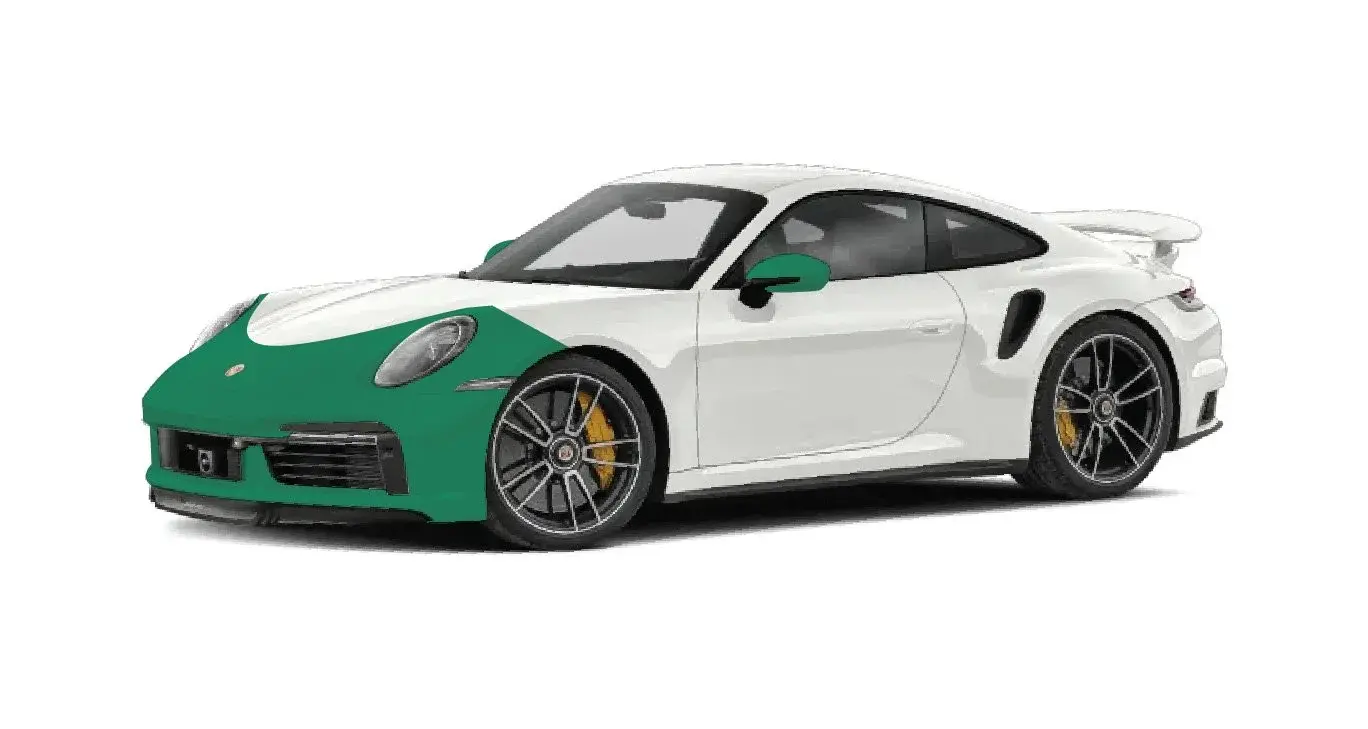
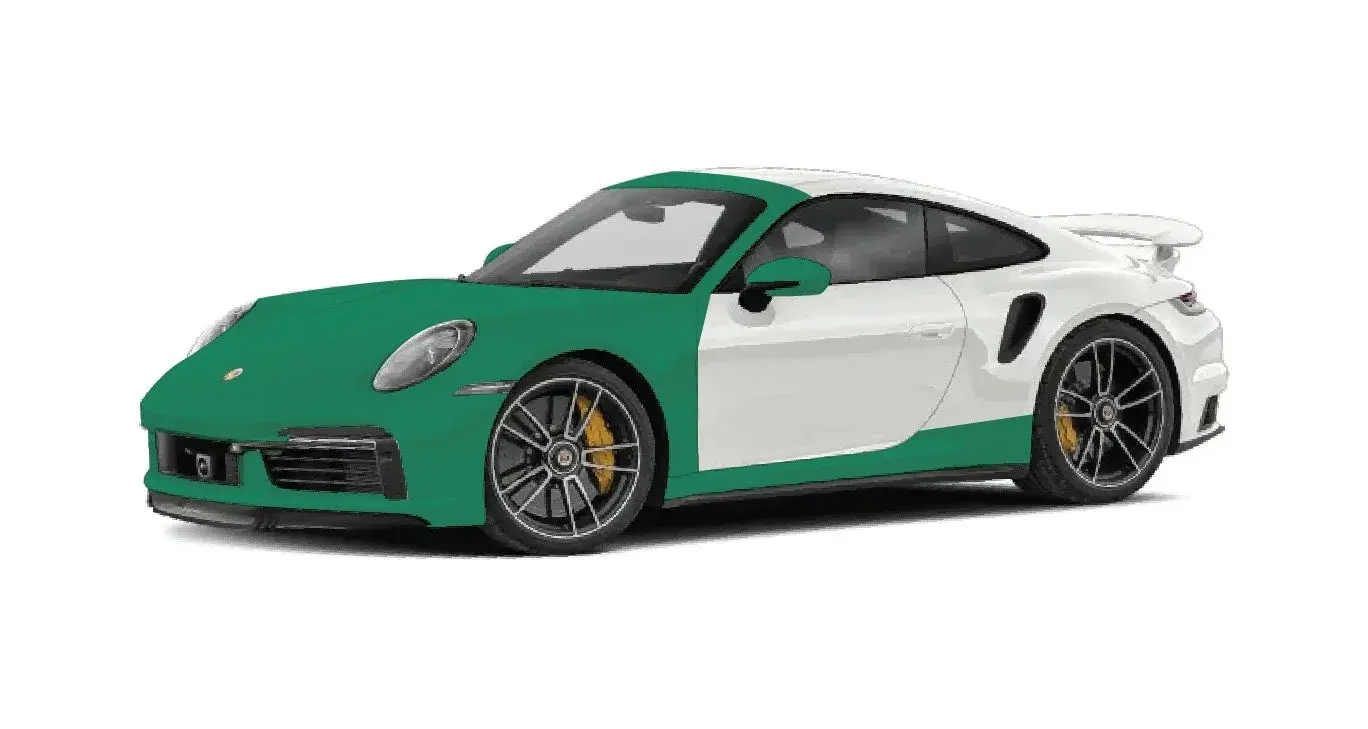
Buy coverage for how you drive. Town driving and short ownership suit Partial Front; daily highway kilometres suit Full Front; sandblasted sills and pillars from gravel or track days suit the Track Package; and keeping every panel as delivered, or going satin all over, is what Full Vehicle is for.
| Package | From | Usual time in the shop | Panels covered | Typical fit |
|---|---|---|---|---|
| Partial Front | $850 | One day | Bumper, leading part of the hood and fenders, headlights, mirrors | Mostly town driving |
| Full Front | $1,550 | 1–2 days | Whole hood, both front fenders, bumper, headlights, mirrors | Highway commuting |
| Track Package | $1,900 | 1–2 days | The Full Front panels with the windshield pillars, the sills and the leading strip of the roof added | Gravel roads and track use |
| Full Vehicle | $4,000 | 3–5 days | All painted panels and the headlights | Long ownership, all-over matte |
All four are starting prices. A bigger vehicle, more complex panels or paint that needs work before film can raise the final figure, which is why each car is quoted on its own; the PPF cost page breaks down what moves the number.
Where a partial front ends
With Partial Front, the film ends in a line partway across the hood and fenders, and whether that line bothers you is a personal call. Full Front takes the film to each panel’s own edges and wraps them where the shape allows. The full trade-off, including what $700 between the two buys, is on partial vs full front PPF.
Sills, pillars and the roof edge
LLumar’s FAQ singles out the front bumper, hood and rockers as the panels that get punished most, and the windshield pillars and the front of the roof sit right behind the hood. That’s the Track Package’s territory, and it’s set out panel by panel on the Track Package page. If the rockers are your only worry, read rocker panel PPF before paying for the rest.
The whole car
Full Vehicle covers doors, quarters, the roof and the back of the car, which matters for chipped door edges, parking-lot scuffs and anyone turning a gloss car satin with matte film. Full front vs full body PPF shows what the extra $2,450 adds.
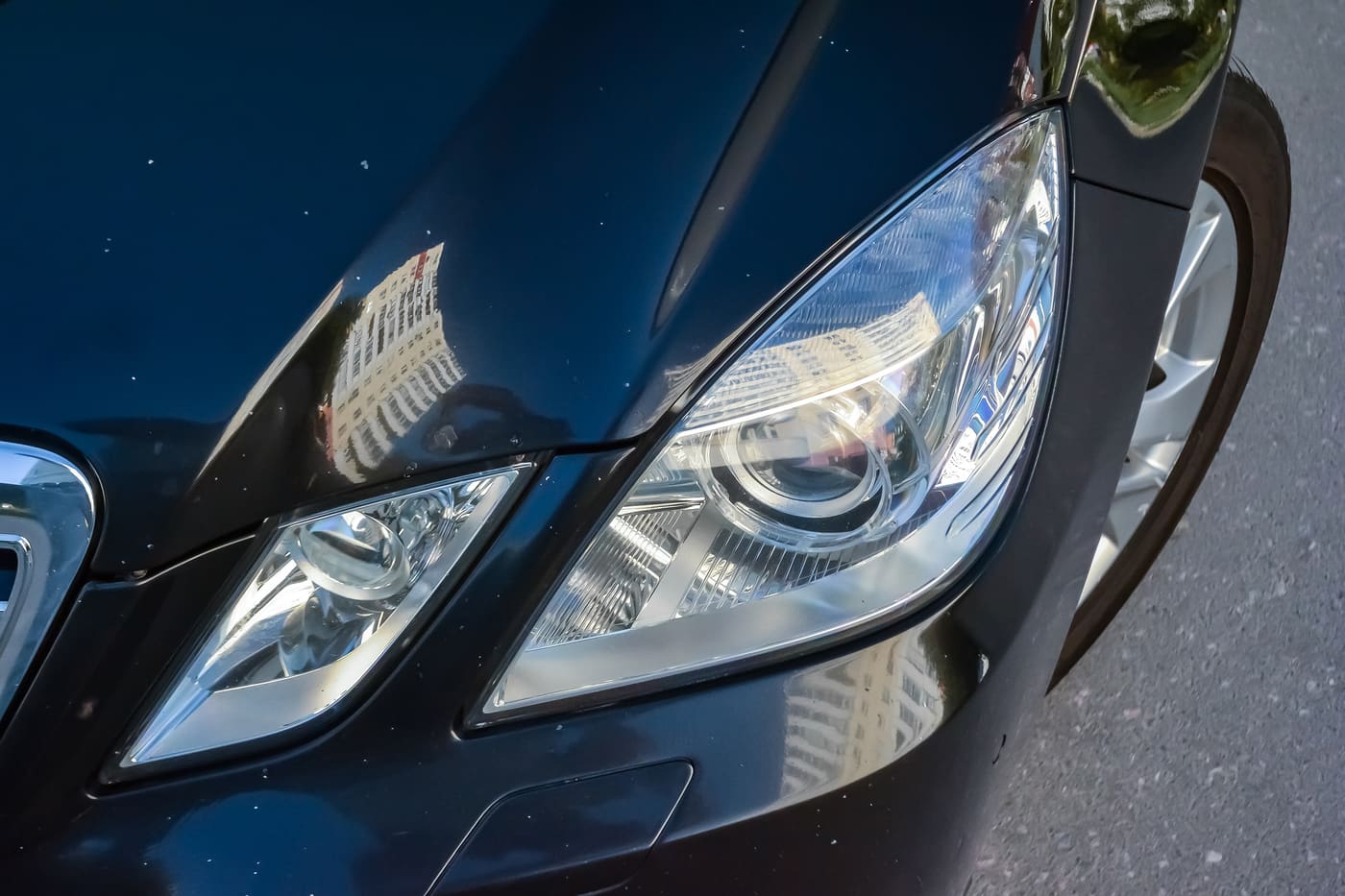
Headlights and BC inspections: every package includes the headlights. BC’s 2025 Vehicle Inspection Manual fails, under item 1.0(a) of its lamp rules, any lamp whose lens cuts the light or is “covered in any manner”, with no exception written in for clear film. If the car is heading for a provincial inspection, ask the facility first or leave the lenses bare.
Which film and finish should you buy?
Coverage and fit matter more than the label, but you should know what’s going on the car. Brookswood Tint’s packages use LLumar Platinum, a self-healing film LLumar backs with a 10-year manufacturer’s limited warranty, in gloss or matte.
LLumar’s own product pages place Platinum within a wider family. Here is the line by warranty, in the maker’s words:
| LLumar film | Warranty | What LLumar says about it |
|---|---|---|
| Gloss & Matte | 5-year limited | The entry film, in gloss or matte, self-healing |
| Platinum Gloss | 10-year limited | Heals with engine or sun heat; HydroGard water-repellent top coat |
| Platinum Matte | 10-year limited | Flat finish that can turn gloss paint matte |
| Platinum Extra | 10-year limited | LLumar’s thickest PPF, aimed at gravel, track use and rough weather |
| Valor | 12-year limited | Self-healing film with a super hydrophobic Tetrashield finish |
LLumar’s product pages say restrictions apply and send warranty questions to the dealer. LLumar doesn’t publish thickness figures for these films, so any mil figure attached to LLumar film on a quote didn’t come from LLumar; how thick is PPF explains what thickness does and doesn’t tell you.
Gloss or matte
On gloss paint, gloss film is designed to go unnoticed. Matte film turns gloss paint satin, which is how owners get a flat look without a repaint, and it suits factory matte paint too. Both are self-healing. The look, the care and the trade-offs are compared on stealth vs gloss PPF.
Self-healing, in plain terms
LLumar’s PPF FAQ says a proprietary top coat lets most surface scratches heal with heat: sunshine, warm water, or a panel warmed by the running engine. “Most surface scratches” is the honest phrase. Wash marring fades; a gouge from a sharp stone doesn’t. What self-healing PPF means goes further.
Comparing brands
If you’re holding a quote in another brand, put the warranty terms and finishes side by side rather than marketing claims. LLumar PPF vs XPEL PPF does exactly that, and factory PPF vs aftermarket PPF covers the film some dealers and carmakers fit before delivery.
Is your paint ready for film?
Film preserves whatever is under it, so the paint should be clean, sound and, ideally, original. LLumar’s FAQ says its film is meant for factory paint, that faults in repaired or aftermarket paint fall outside its warranty, and that freshly sprayed paint is generally given a month to outgas.
| Your paint | What happens before film | What to know |
|---|---|---|
| New from the dealer | Decontamination wash; correction only if delivery left swirls | The surface LLumar designs its film for |
| Used, factory paint, light swirls | Decontamination plus an enhancement polish, about a day | Swirls under film stay under film |
| Used, with chips already in it | Decide what to do about the chips before film | Film covers a chip; it doesn’t fill it |
| Panels repainted after a repair | Wait out the cure; LLumar cites 30 days | Paint faults on repaired panels aren’t covered |
| Bare carbon fibre parts | Film can be applied | LLumar doesn’t count carbon fibre as OEM paint, so no warranty |
New cars
The week after delivery is when paint is at its cleanest and has no chips yet. Getting the timing and dealer-prep marks right is the subject of PPF on a new car right away, and the prep itself is on new car paint prep.
Used cars and older paint
Before any machine touches the clear coat, its thickness is measured. The three levels on offer are a single-stage enhancement polish (roughly one day), a two-stage correction (a day or two) and a multi-stage restoration (three-plus days, priced once the paint has been inspected). Whether film hides the chips you already have is answered on will PPF hide existing rock chips, and the wider used-car question on PPF on a used car.
No wax before the appointment
LLumar’s FAQ says not to apply wax or any coating before installation, because either one can interfere with the adhesive. If the car already has a coating, say so when you book. A coating belongs on top of the film, after it, in the order laid out on PPF, ceramic and tint: what order.
When should you book PPF in BC?
As soon after delivery as practical, and before the first winter of sanded roads if you can. The install happens indoors, so the calendar matters less than how many kilometres the paint covers without protection.
Averaged over 1981 to 2010, ECCC’s records from Abbotsford Airport put the first fall frost near November 1 and the last spring frost in early April, and count 52.9 nights a year that dip to 0 °C or lower. Treated roads arrive with the frost and snow, so a car filmed in September or October goes into that season already covered.
Planning around the install
- Partial Front: usually a one-day job.
- Full Front or Track Package: plan on one to two days.
- Full Vehicle: three to five days.
- Afterwards: no washing for seven days, by the shop’s rule, against a three-day minimum in LLumar’s FAQ.
If tint and a coating are on the list too, one visit can cover them; booking tint, PPF and a coating together adds up the days. Winter installs and the season question have their own answers: can PPF be installed in winter and when to get PPF in BC. LLumar notes its film is fitted in cold markets such as Calgary, Colorado and Norway.
What should a PPF quote spell out?
A quote you can compare names the film line and finish, lists each panel and whether it’s full or partial, says how the edges are finished, includes the prep, and puts the warranty in writing. LLumar leaves pricing to its dealers because installation labour is built into the price, so two shops fitting the same film will quote differently.
| On the quote | What to look for | How Brookswood Tint answers it |
|---|---|---|
| Film | A named line and finish, not just “clear bra” | LLumar Platinum, gloss or matte |
| Panels | Full or partial, hood and fenders spelled out | The package list, panel by panel |
| How it’s cut | Templates for your exact model, or bulk film trimmed on the car | Computer-cut patterns made for the specific vehicle |
| Edges | Wrapped where the panel allows; any relief cuts identified | Wrapped where possible; relief cuts shown before work starts |
| Prep | Decontamination included; correction priced separately if needed | Decontaminated first, corrected if needed |
| Time | Days in the shop | One day for a partial front, up to 3–5 for a full vehicle |
| Warranty | The maker’s term and who handles claims | LLumar’s 10-year limited term, with yellowing, cracking, bubbling and peeling on the shop’s list |
Two lines deserve a closer look. Relief cuts are small slits that let film lie flat over tight bumper shapes; they’re sometimes unavoidable, and a shop should show you where before it starts. Bulk installs, where film is cut by hand on the car, are explained in the bulk PPF install glossary entry, and seams in why PPF has seams.
To check a shop is a genuine dealer, use LLumar’s dealer locator. The full checklist is on what a PPF quote should include, the reasons film costs what it does on why PPF is so expensive, and a dealer’s own protection package is weighed on dealer paint protection vs PPF.
What comes with owning the film?
A short care routine, a warranty to keep claimable, and a few paperwork questions about insurance, leases and resale. None of them is complicated if you keep the invoice and follow the washing rules from the first week.
Care
Hand or touchless washes, no brush washes, and pressure nozzles kept off the film edges. LLumar’s FAQ adds that lifting caused by pressure washers or automatic washes isn’t covered by its warranty. Week-by-week care is in the PPF aftercare guide.
Warranty
The film carries LLumar’s 10-year limited term, and the shop names four defects under it: yellowing, cracking, bubbling and peeling. Keep the invoice with the film named on it. The warranty page sets out every film the shop fits, and how long does PPF last covers how long film keeps looking new.
Insurance, leases and resale
No ICBC page mentions paint protection film, so ask ICBC directly and keep the invoice ready; does ICBC cover PPF has what can be said. Leases and resale have their own answers: PPF on a leased car and does PPF increase resale value. When film eventually comes off, LLumar warns against doing it in deep cold and wants a professional to take it off inside, at 13 °C (55 °F) or more.
How do you get a PPF price for your car in Langley?
Tell the shop what the car is (year, make, model, trim), its colour and paint condition, the package you have in mind and the driving it does, and it will quote the car. That gets you a starting figure; paint condition can move the final number, and the shop checks that on the car itself.
Ask through the PPF quote form, or ring or message 604 534 6433. Unit 312, 20560 Langley Bypass is the address, and Saturday hours match the weekdays: 9:00 to 17:00, closed Sunday. Every package and price is on the paint protection film page. If you’re booking for a new car, line up the appointment for the days right after delivery; if it’s an older car, leave room for correction before the film.